- Home
- Electric Vehicles
- Eve Air Mobility
- Eve Air Mobility eVTOL
Eve Air Mobility eVTOL
- Battery Capacity: Lithium-ion battery
- Propulsion System: Distributed electric propulsion (DEP)
- Service Ceiling (Max Altitude): 3,000 m
- Takeoff / Landing Type: Vertical Takeoff and Landing (VTOL)
PROS
- Low direct emissions in flight.
- Short takeoff footprint in dense areas.
- Designed for repeated short hops.
CONS
- Range limited by current battery tech.
- Requires new charging and vertiport infrastructure.
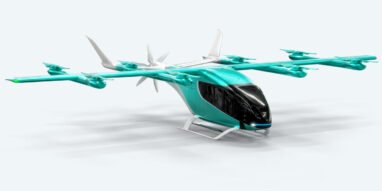
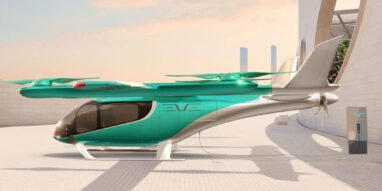
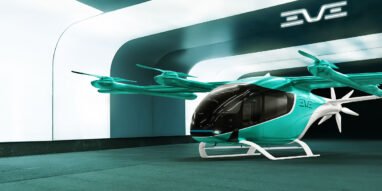
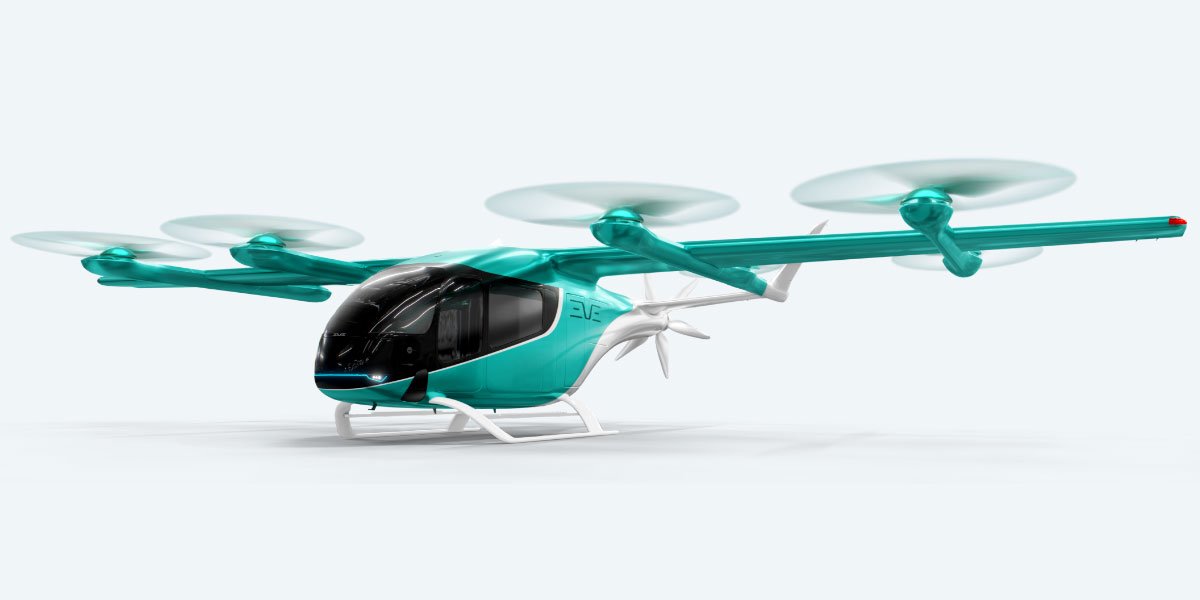
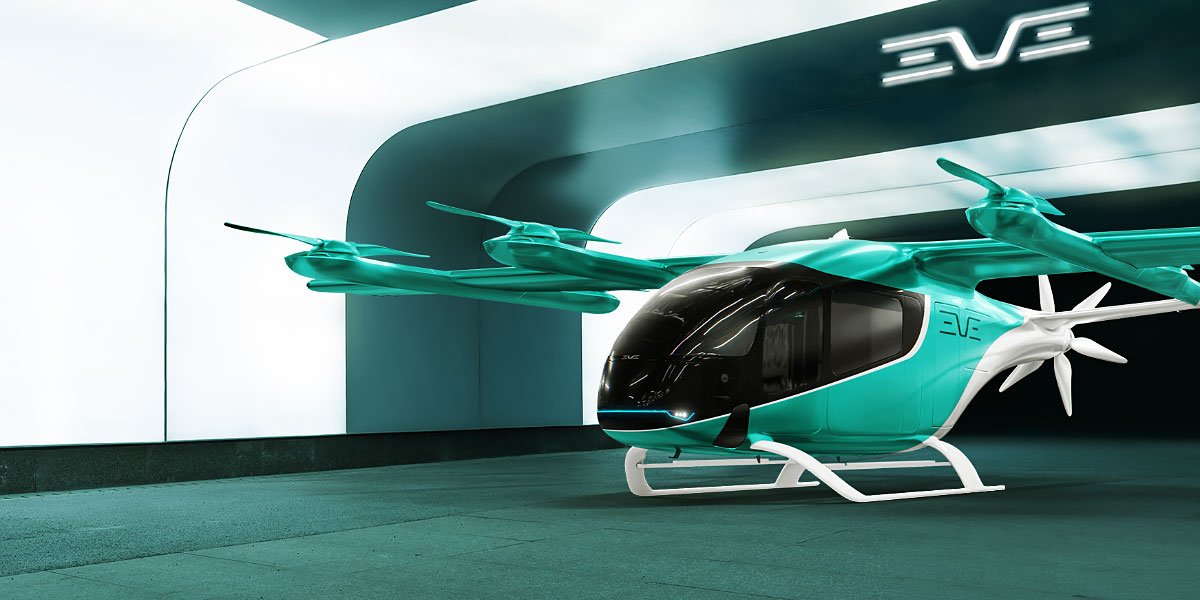
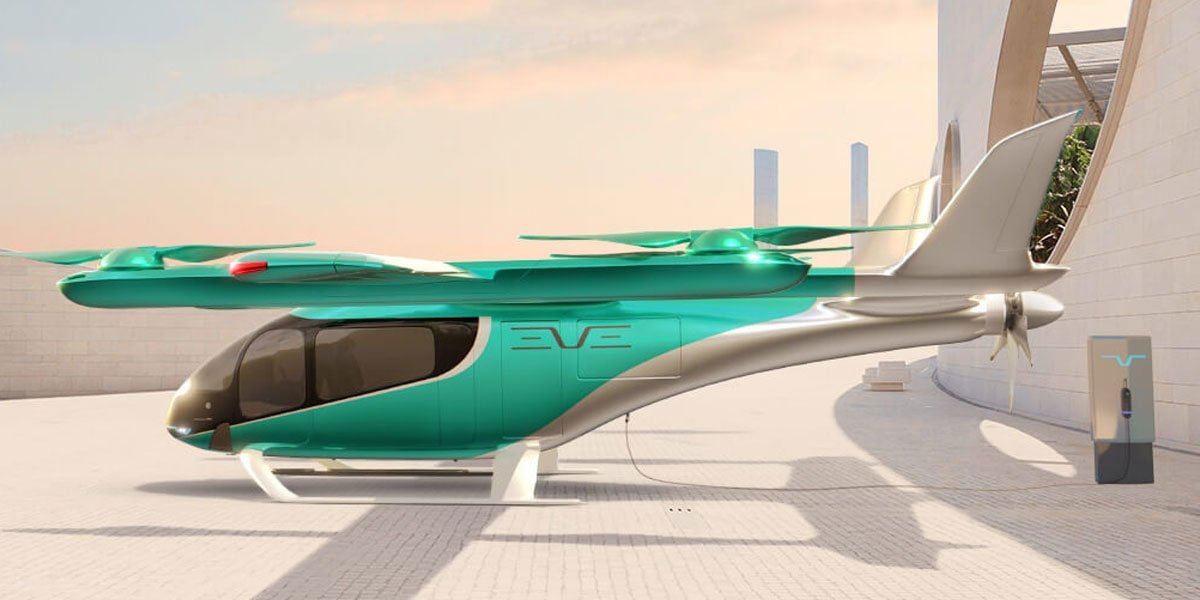
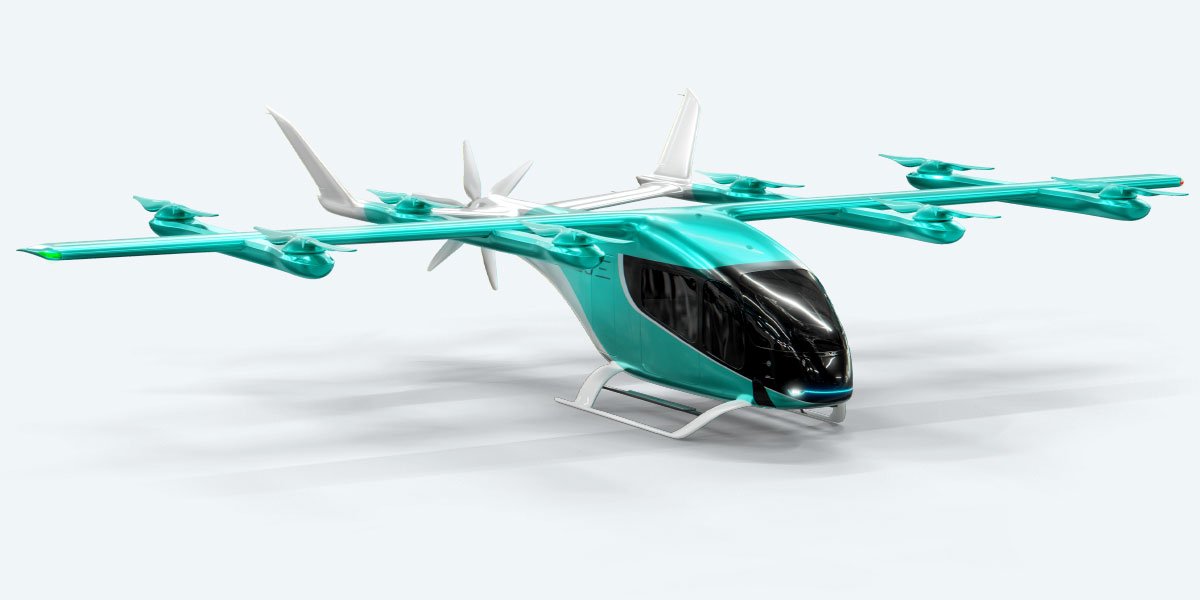
Eve Air Mobility eVTOL is an electric vertical takeoff and landing aircraft. It is a small, piloted air vehicle designed to carry people within cities and between nearby regions. It fits in the urban air mobility category and has a compact, helicopter-like body with rotors above a cabin.
The aircraft uses a battery pack sized for short flights. Range is limited by weight and energy density of current batteries. It is aimed at trips under 100 km per mission. Charging is by ground power at vertiports. Turnaround time depends on infrastructure at hubs.
Price positioning is high compared to ground EVs but aligned with other air mobility craft. It suits operators, fleets, and services that move customers over short air distances. From the same brand are the Eve Urban Air Taxi and Eve Cargo eVTOL prototypes. Alternatives include the Joby Aviation eVTOL and the Lilium Jet. Users compare this to the Airbus CityAirbus in similar urban air mobility tests.
Eve Air Mobility eVTOL Images
Full Specifications
Overview Electric Flying Vehicle
| Model | Eve Air Mobility eVTOL |
| Manufacturer | Eve Air Mobility |
| Announced | 2021 |
Electric Flying Vehicle Dimensions & Build
| Aircraft Type | Electric Vertical Takeoff and Landing (eVTOL) |
| Length | 12 m |
| Wingspan / Rotor Diameter | 15 m |
| Maximum Takeoff Weight (MTOW) | 2,800 kg |
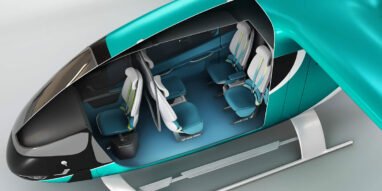
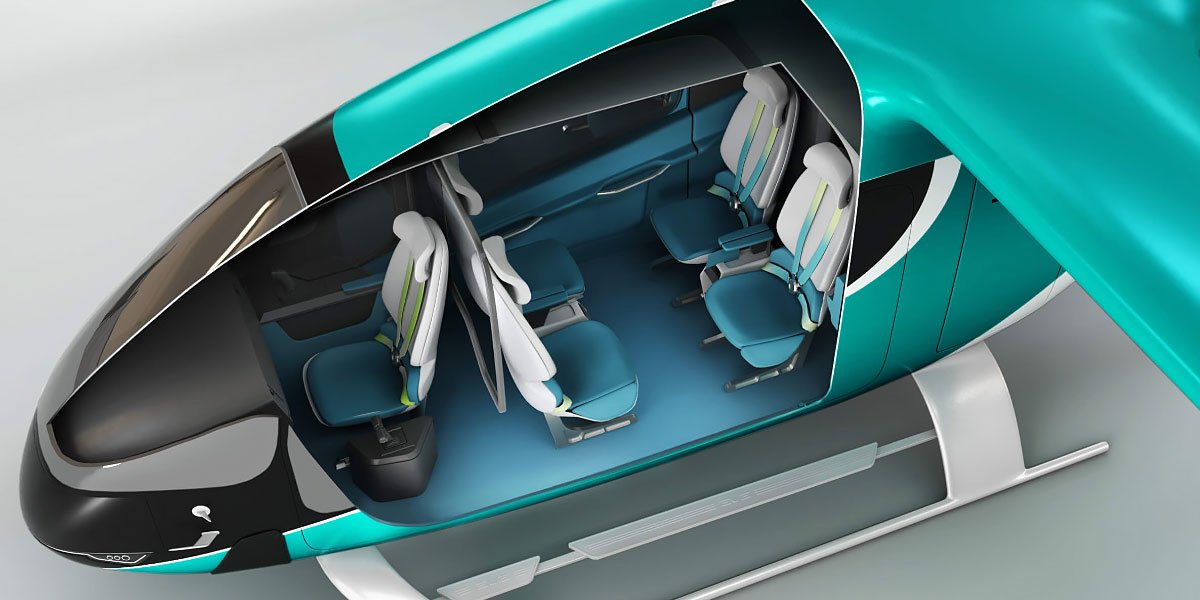
| Passenger Capacity | 4 passengers + 1 pilot |
| Cargo Capacity | Passenger-focused design |
| Landing Gear Type | Fixed landing gear |
Power & Propulsion
| Battery Type | Lithium-ion battery system |
| Solar / Hybrid Assist | None |
| Motor | Multiple electric motors |
| Propulsion System | Distributed electric propulsion (DEP) |
| transmission | Direct-drive electric system |
Electric Flying Vehicle Performance
| Cruising speed | 100–200 km/h (target range) |
| Top Speed | 200 km/h (target) |
| Maximum Range | 100 km |
| Endurance (Flight Time) | 20–30 minutes |
| Service Ceiling (Max Altitude) | 3,000 m |
| Takeoff / Landing Type | Vertical Takeoff and Landing (VTOL) |
| Noise Level (dB) | Reduced |
| Flight Modes | Vertical lift, forward flight |
Safety & Systems
| Avionics | Advanced digital flight systems |
| Flight Control | Fly-by-wire |
| Safety Features | Redundant propulsion, multiple rotors |
Interior & Comfort
| Seating Layout | 4 passengers + pilot |
| Cabin Type | Enclosed urban air taxi cabin |
| Infotainment & Displays | Digital cockpit interfaces |
| Storage Compartments | Minimal passenger storage |
| Other Features | Optimized for short urban trips |
Capacities
| Passenger Capacity | 4 passengers |
Reviews
FAQ
What is an eVTOL?
What range does the aircraft have?
How long to recharge?
Who can use these aircraft?
Disclaimer Note
We can not guarantee that the information on this page is 100% correct