- Home
- Electric Vehicles
- Flying Vehicles
Flying Vehicles
Date (default)
Flying Vehicles
Electric Flying Vehicles (EFVs) are aircraft powered by electric motors and batteries (or hybrid-electric systems) instead of traditional jet fuel or combustion engines. They are part of the next wave of advanced air mobility (AAM), aiming to make air travel cleaner, quieter, and more efficient—especially for urban and regional transport.

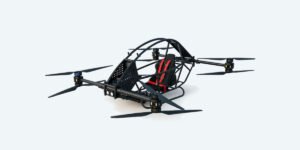
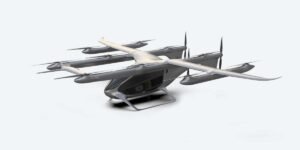
- Battery Capacity: 45 kWh
- Propulsion System: Distributed electric propulsion (multi-rotor)
- Service Ceiling (Max Altitude): 1,000 m
- Takeoff / Landing Type: Vertical takeoff and landing (VTOL)
- View Details →
-
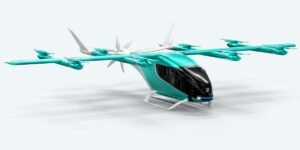
- Battery Capacity: Lithium-ion battery
- Propulsion System: Distributed electric propulsion (DEP)
- Service Ceiling (Max Altitude): 3,000 m
- Takeoff / Landing Type: Vertical Takeoff and Landing (VTOL)
- View Details →
-
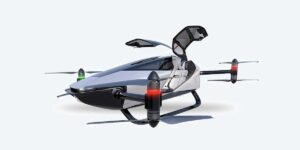
- Battery Capacity:
- Propulsion System: 8 individual propellers (direct-drive)
- Service Ceiling (Max Altitude): 1,000 m
- Takeoff / Landing Type: :Vertical Takeoff and Landing (VTOL)
- View Details →
-
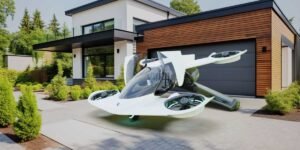
- Battery Capacity: 60 kWh
- Propulsion System: Fan-in-wing VTOL + ducted forward thrust
- Service Ceiling (Max Altitude): 4,000 ft AGL
- Takeoff / Landing Type: Vertical (VTOL)
- View Details →
-
- Battery Capacity: 40 kWh
- Propulsion System: Distributed electric propulsion (8 rotors)
- Service Ceiling (Max Altitude): 2,000 ft (610 m)
- Takeoff / Landing Type: VTOL (Vertical Takeoff & Landing)
- View Details →
-
- Battery Capacity:
- Propulsion System: Distributed Electric Propulsion (DEP)
- Service Ceiling (Max Altitude):
- Takeoff / Landing Type: VTOL
- View Details →
-
- Battery Capacity:
- Propulsion System: 12-propeller system – 6 tilting front for lift + forward flight, 6 fixed rear for lift
- Service Ceiling (Max Altitude): 2,500–4,000 ft AGL
- Takeoff / Landing Type: Vertical takeoff and landing (VTOL)
- View Details →
-
- Battery Capacity:
- Propulsion System: Hybrid-electric system (battery + turbine generator)
- Service Ceiling (Max Altitude): 6,500 ft
- Takeoff / Landing Type: 150 ft
- View Details →
-
- Battery Capacity: 160 kWh
- Propulsion System: Distributed Electric Propulsion (DEP), lift + cruise design
- Service Ceiling (Max Altitude):
- Takeoff / Landing Type: Vertical take-off and landing (VTOL)
- View Details →
-
- Battery Capacity: 820 kWh
- Propulsion System: Twin pusher electric configuration
- Service Ceiling (Max Altitude): 32,000 ft
- Takeoff / Landing Type: Conventional runway
- View Details →

- Battery Capacity:
- Propulsion System: Rear pusher propeller (flight) + road drivetrain
- Service Ceiling (Max Altitude): 10,000 ft
- Takeoff / Landing Type: Conventional runway
- View Details →

- Battery Capacity: 2.2 kWh total (2 packs of ~1.1 kWh)
- Propulsion System: Nose-mounted folding electric propeller
- Service Ceiling (Max Altitude): 5,000 m (soaring)
- Takeoff / Landing Type: Unpowered; FES not for takeoff
- View Details →

- Battery Capacity:
- Propulsion System: Single pusher propeller (direct drive)
- Service Ceiling (Max Altitude):
- Takeoff / Landing Type: Conventional runway (CTOL)
- View Details →

- Battery Capacity:
- Propulsion System: Electric vertical take-off & landing (VTOL) + forward ducted-fan propulsion
- Service Ceiling (Max Altitude):
- Takeoff / Landing Type: VTOL (vertical take-off & landing)
- View Details →

- Battery Capacity: 88 kWh
- Propulsion System: Direct drive propellers (fixed-pitch)
- Service Ceiling (Max Altitude): 1,500–1,800 m (≈6,000 ft)
- Takeoff / Landing Type: Vertical Takeoff and Landing (VTOL)
- View Details →