Joby Aviation, a U.S. eVTOL air taxi developer, announced a partnership with Metropolis, North America’s largest parking network operator. The deal covers the development of 25 artificial intelligence-powered vertiports across Metropolis’ network of more than 4,200 properties and selected new sites.
Joby said the first locations will appear in early air taxi markets, including New York and Los Angeles. The vertiports will support Joby’s planned electric air taxi operations and integrate with existing ground transportation infrastructure.
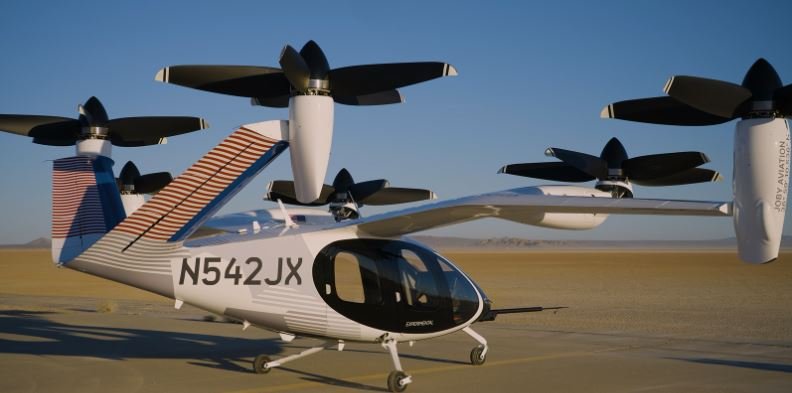
AI-driven vertiport technology
The planned vertiports will use Metropolis technology based on biometrics, computer vision, and AI recognition systems. Joby also plans to integrate Metropolis’ Bags VIP luggage handling service, which will be tested on Joby’s Blade helicopter operations in New York City.
Metropolis confirmed its computer vision platform works both inside and outside vehicles and goes beyond license plate recognition. The company said users provide consent for all collected data.
JoeBen Bevirt, Joby’s CEO and founder, said using existing parking infrastructure helps reduce build-out time while increasing site value and improving connectivity for passengers.
How the Metropolis system works
Metropolis operates a fully automated parking and access platform. The system identifies vehicles and users without requiring tickets or kiosk stops. According to the company, the platform captures entry and exit events and manages access in complex environments.
The system already operates at more than 350 airport locations. These include Chicago O’Hare, Miami International, Washington Dulles, and Dayton International Airport, near Joby’s planned high-volume manufacturing facility.
Metropolis said it layers computer vision, remote baggage handling, and payment systems into infrastructure that already has permits and utility connections. Over the past year, it deployed ticketless entry, automated payment, and real-time validation at seven airports.

Recognition platform and passenger flow
Metropolis’ recognition platform combines software, machine learning, and camera systems to support real-time identification. The company estimates its network includes about 20 million members.
The goal is a “drive in, fly out” experience. Passengers park, check luggage remotely, and move directly to air travel without shuttles or long waits. Joby said Metropolis aviation services also cover remote check-in, luggage logistics, and in-terminal guest support.
Metropolis CEO Alex Israel said the company is extending its data and recognition systems from parking into air travel operations.
AI management for air taxi operations
Metropolis said its AI platform could manage vertiport access, air taxi scheduling, and vehicle coordination. The system would also generate live operational status updates.
The company estimates the U.S. will need about 5 million square feet of new vertiport infrastructure by 2030. That equals roughly 30,000 parking spaces. Vertiports will need charging systems, maintenance areas, passenger lounges, and clear takeoff and landing zones.
Metropolis said reliable digital identification and coordination remain critical for future autonomous operations.
Joby’s autonomy and network strategy
Joby plans to launch with piloted aircraft but aims to move toward autonomy over time. Its Superpilot autonomy system logged more than 7,000 autonomous miles in 2024 during military exercises using a Cessna 208B Grand Caravan.
Joby said the Metropolis partnership supports a connected passenger experience. The company plans on-demand integrations with Blade, Uber, and Delta Air Lines. All services will operate from vertiports, requiring smooth transfers from ground transport.
Bevirt said air taxis must connect directly with existing ground transportation systems to deliver efficient urban travel.
Alignment with U.S. air mobility policy
The partnership aligns with the U.S. Advanced Air Mobility National Strategy, a 10-year plan focused on accelerating eVTOL deployment. A key goal involves repurposing existing infrastructure for early operations.
Joby already follows this approach through parking facilities, former Blade sites, and electrified FBO terminals operated by Signature Aviation, Atlantic Aviation, and Clay Lacy Aviation.
When Joby vertiports may open
Joby reaffirmed plans to begin passenger operations in 2026. The company indicated AI-enabled vertiports could come online around the same time.
In 2025, Joby aircraft completed more than 850 test flights and exceeded 50,000 flight hours. The company recently powered on its first conforming aircraft for FAA type inspection authorization testing. Four additional conforming aircraft remain in production.
Production expansion and manufacturing plans
Joby announced a production ramp-up at its facilities in Dayton, Ohio, and Marina, California. Earlier plans doubled capacity from 12 to 24 aircraft. The company now plans to double output again from 24 to 48 aircraft, equal to four aircraft per month.
Joby is working with Toyota on a strategic manufacturing alliance. Toyota committed a $500 million investment earlier this year. Rival Archer Aviation has a similar partnership with Stellantis.
Related
- 2025 USA Top electric vehicles
- 2025 Most Expensive Electric Flying Vehicles
- 2025 Cheapest Electric Flying Vehicles: Entry-Level Prices and Specs
- Alef Aeronautics Model A: The $300K Flying Car You Can Buy
- TCab Tech E20 Review: China’s Futuristic Air Taxi