Tesla has confirmed the first Cybercab rolled off the line on February 17, 2026, at Gigafactory Texas in Austin. This vehicle marks Tesla’s first model designed solely for autonomous driving. It has no steering wheel. No pedals. The compact two-seat coupe operates without human input.
Design and Cabin Experience
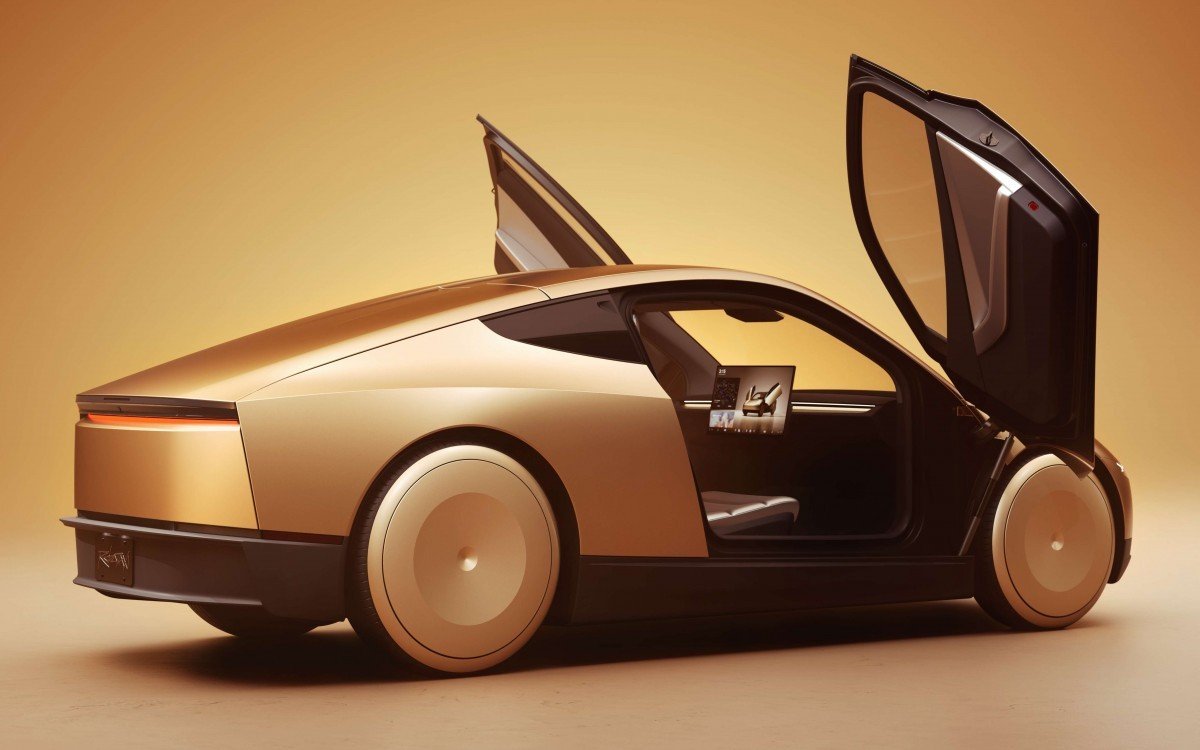
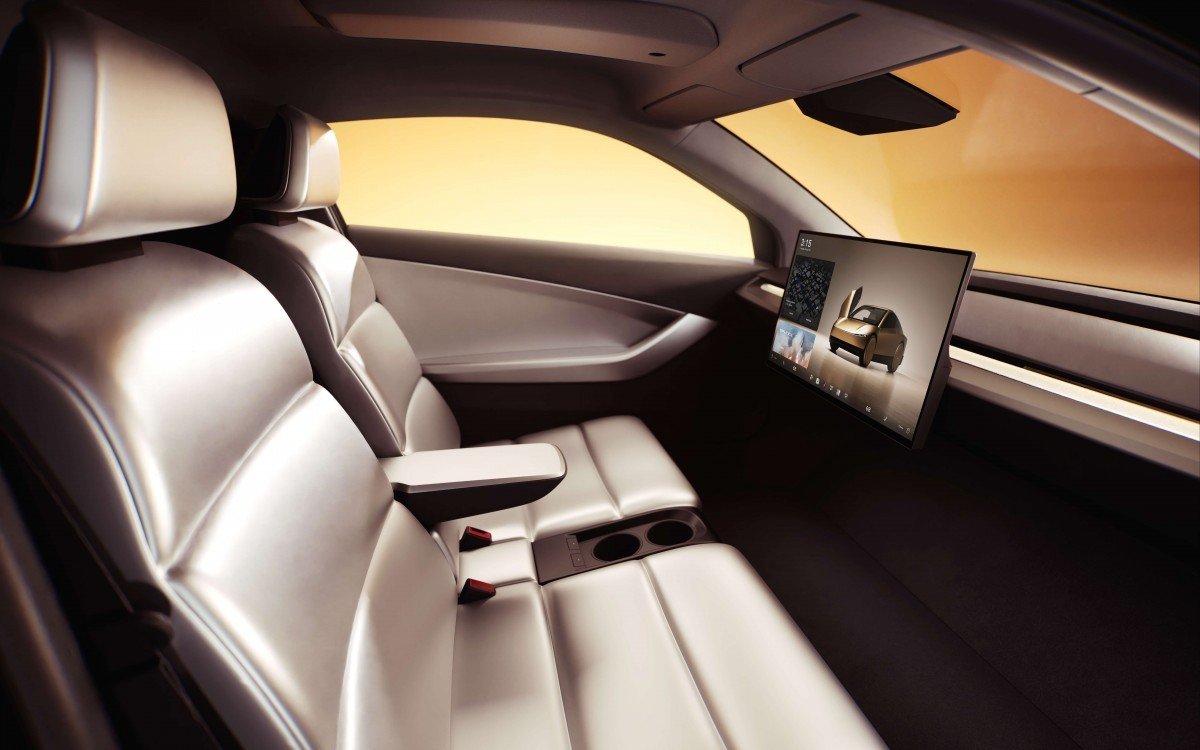
The Cybercab features upward-opening butterfly doors for easier entry in tight spaces. Removing the steering wheel frees up cabin room for two adults. A central 20.5-inch display controls navigation, media, and ride information. The rear trunk accommodates small luggage, supporting airport and urban trips.
Manufacturing Shift: Tesla’s Unboxed Process
Tesla built the Cybercab using its new Unboxed manufacturing system. Instead of a traditional moving assembly line, Tesla constructs major sections independently:
• Side structures
• Floor assembly
• Seating modules
Final assembly combines these sections at the end of production. Tesla targets lower factory footprint, faster throughput, and reduced build costs. The long-term objective focuses on multi-million-unit annual output.
Pricing and Operating Economics
Tesla positions the Cybercab against autonomous fleets from Waymo and Zoox. The company targets a price below 30,000 USD. Estimated operating cost sits near 0.12 USD per kilometer. The vehicle also supports wireless charging through ground-based pads, reducing downtime between rides.
Battery, Range, and Performance
The Cybercab uses a 35 kWh battery pack.
• Range: about 199 miles per charge
• 0 to 60 mph: under 7 seconds
• Top speed: 100 mph
• Weight: 1,134 to 1,360 kg
Performance prioritizes efficiency and urban mobility rather than acceleration.
Production Ramp and Scaling Challenges
Elon Musk, CEO of Tesla, stated initial production will move “agonizingly slow.” Early constraints relate to tooling calibration and process refinement. Broader volume manufacturing is expected from April 2026. Tesla’s stated ambition targets five million Cybercabs annually, though scaling timelines remain uncertain.
Autonomy Software and Regulatory Scrutiny
The Cybercab runs Tesla’s Full Self-Driving system. Unlike consumer Teslas, this vehicle offers no human override controls. This increases dependence on software reliability. NHTSA continues evaluating Tesla’s autonomy stack following prior safety investigations. Regulatory approval remains central to large-scale deployment.
Robotaxi Deployment Strategy
Tesla continues testing autonomous ride services in Austin and the San Francisco Bay Area. Many test vehicles still include safety operators. The operational goal centers on a fully driverless network accessible through Tesla’s mobile platform.
Why This Matters
The Cybercab signals Tesla’s transition from driver-assist systems to purpose-built autonomy. Success depends on three variables:
• Manufacturing efficiency
• Software reliability
• Regulatory clearance
Failure in any of these areas impacts rollout speed and fleet economics.
Related EV News
- BYD Linghui e9 Revealed With Up To 605 km Range
- BYD Song Ultra EV Price Drops to 180,000 Yuan in China
- Volvo EX30 Black Edition Debuts in the UK
- Rivian R2: Price, Specs, Range, and Release Details
- Tesla Semi Specs, Charging, Range, and New Pricing