Australia Post is moving further into clean transport with plans to introduce 500 electric three-wheelers by Christmas. The new electric delivery trikes will replace petrol-powered motorcycles, marking a major step in reducing emissions and improving delivery efficiency.
Hearing a postie’s motorcycle roar up your street could soon be a thing of the past. The new Rapide 3 electric tricycles are designed to carry up to 150 parcels, offering more space and better stability than the older petrol bikes. Each vehicle can carry 120 more parcels than traditional postie bikes, helping speed up deliveries—especially during the busy holiday season.
The Rapide 3 comes with a built-in canopy, three wheels for extra balance, a top speed of 80 km/h, and a range of up to 180 km per charge. After a successful 15-month testing phase, these electric vehicles are ready to support thousands of postal workers across every state and territory.

According to Paul Graham, Australia Post’s Group CEO, the rollout will make deliveries faster and safer:
“People will get quicker delivery for their e-commerce orders, which continues to grow every year,” he said.
“The new vehicles are also replacing motorcycles that were still the most dangerous in our fleet.”
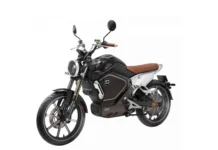
Australia Post already operates more than 5600 electric vehicles, including Fuso eCanter trucks, Mercedes-Benz eVito vans, and DUTY electric motorbikes—all charged at 37 dedicated stations nationwide.
This rollout follows similar electric upgrades from FedEx, ANC Delivers, Team Global Express, and Linfox, as the logistics industry accelerates toward net zero emissions by 2050.
Mr. Graham said that replacing smaller delivery vehicles is the first logical step to decarbonizing Australia Post’s fleet. The company is now exploring electric options for long-haul trucks and air freight, though those transitions remain commercially challenging.
Australia’s wider shift toward electrification is also gaining pace—electric cars reached 11.3% of new vehicle sales in September 2025, and more transport companies are investing in zero-emission fleets.