The BYD Song Ultra EV is set to launch in China with a reported starting price of 180,000 yuan (26,050 USD). Earlier estimates placed the SUV between 220,000 and 260,000 yuan. Chinese outlet Autohome now reports a lower entry point, citing industry sources. The adjustment significantly shifts the model’s market positioning.
Sales Targets and Strategy
The revision follows comments from BYD Dynasty series management. The company targets monthly sales exceeding 20,000 units for the Song Ultra EV. This volume goal explains the aggressive pricing. The SUV becomes the largest model in the Song family and introduces BYD’s God’s Eye B (DiPilot 300) assisted driving system.
Size and Design Details
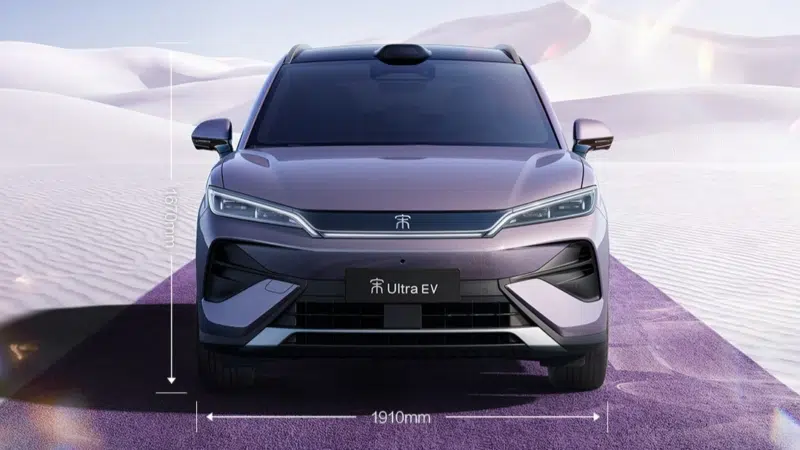
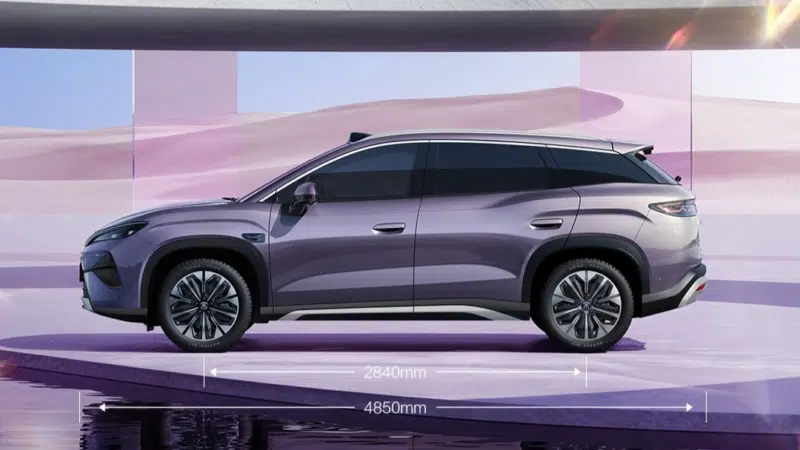
The Song Ultra EV measures 4850 mm in length, 1910 mm in width, and 1670 mm in height. Wheelbase stands at 2,840 mm. Curb weight ranges from 1,990 to 2,050 kg. Despite its size, the vehicle uses a two-row layout due to its sloping roofline. Exterior features include sculpted fenders, flush door handles, roof-mounted LiDAR, and a slanted bonnet profile.
Powertrain and Battery Options
The SUV uses a single electric motor configuration.
Available variants:
• 240 kW (322 hp)
• 270 kW (362 hp)
Battery choices from FinDreams:
• 75.6 kWh LFP pack
• 82.7 kWh LFP pack
CLTC driving range:
• 620 km
• 710 km
Top speed reaches 210 km/h.
Song Lineup Context
The Song nameplate evolved into a broader product range. Current offerings include the Song Pro DM-i, Song L EV, and Song L DM-i. The Song Plus SUV recently exited the Chinese market. Globally, it continues under the Sealion 6 and Seal U names.
Market Implications
The lower pricing places the Song Ultra EV closer to mainstream mid-size electric crossovers. It increases competitive pressure within BYD’s own portfolio and across domestic rivals. The combination of size, range, and assisted driving tech targets high-volume buyers rather than premium segments.
Related EV News
- Volvo EX30 Black Edition Debuts in the UK
- Rivian R2: Price, Specs, Range, and Release Details
- Tesla Semi Specs, Charging, Range, and New Pricing
- 2027 Toyota Highlander EV: Range, Specs, Charging
- Mazda 6e UK Launch: Stylish EV with 348-Mile Range