- Home
- Electric Vehicles
- Compare
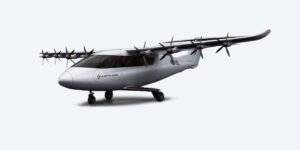
- Electra Aero eSTOL vs Air EVTOL Air One
Electra Aero eSTOL vs Air EVTOL Air One
Overview Electric Flying Vehicle
|
Model
|
Electra eSTOL
Air EVTOL Air One |
|
Manufacturer
|
Electra.aero
AIR (Air EV Ltd., |
|
Announced
|
2021
2021 |
|
launched
|
2023
2022 |
|
Base Price
|
150000 |
Electric Flying Vehicle Dimensions & Build
|
Aircraft Type
|
Hybrid-electric ultra-short take-off and landing (eSTOL) fixed-wing aircraft
Personal 2-seat eVTOL |
|
Length
|
6.2 m (20.3 ft) |
|
Wingspan / Rotor Diameter
|
6.2 m (20.3 ft) |
|
Height
|
1.8 m (5.9 ft) |
|
Empty Weight
|
868 kg (1,914 lb) |
|
Maximum Takeoff Weight (MTOW)
|
1,100 kg (2,425 lb) |
|
Passenger Capacity
|
Up to 9 passengers + 1 pilot
2 persons |
|
Cargo Capacity
|
2,500 lb
200 kg (441 lb) payload |
|
Landing Gear Type
|
Tricycle gear (fixed or semi-retractable)
Fixed tricycle gear |
Power & Propulsion
|
Battery Type
|
Lithium-ion (hybrid-electric configuration)
Lithium-ion |
|
Battery Capacity
|
60 kWh |
|
Battery Brand
|
Proprietary (AIR partnership) |
|
Charging Input Voltage
|
400V DC |
|
Charging Power
|
Up to 80 kW (DC fast charge) |
|
Charging Time
|
Fast: ~1 hour
Standard: ~4 hours |
|
Solar / Hybrid Assist
|
Yes – hybrid assist (turbogenerator)
No — fully electric |
|
Motor
|
8 wing-mounted electric motors (distributed propulsion)
8 independent electric motors |
|
Total Power Output
|
577 kW (≈ 771 hp) |
|
Propulsion System
|
Hybrid-electric system (battery + turbine generator)
Distributed Electric Propulsion |
|
transmission
|
Direct electric drive to each propeller
Direct drive |
Electric Flying Vehicle Performance
|
Cruising speed
|
175 knots (324 km/h)
160 km/h (100 mph) |
|
Top Speed
|
200 mph (174 knots)
250 km/h (155 mph) |
|
Maximum Range
|
1,100 nautical miles (2,037 km)
177 km (110 miles) |
|
Endurance (Flight Time)
|
1 hour 43 minutes (prototype test flight)
1 hour |
|
Climb Rate
|
610 m/min (2,000 ft/min) |
|
Service Ceiling (Max Altitude)
|
6,500 ft
3,048 m (10,000 ft) |
|
Takeoff / Landing Type
|
150 ft
Vertical (VTOL) |
|
Noise Level (dB)
|
75 dBA at 300 ft
<65 dB at 50 m |
|
Flight Modes
|
Electric-only (quiet mode) / Hybrid (extended range)
Manual, Assisted, Return-to-Home |
Safety & Systems
|
Avionics
|
Modern glass cockpit
Integrated digital flight suite |
|
Flight Control
|
Aerodynamic blown-lift system with T-tail configuration
Fly-by-wire with triple redundancy |
|
Safety Features
|
Distributed propulsion redundancy, hybrid backup power
Parachute recovery system
Redundant motors
Terrain and obstacle avoidance
Geo-fencing / automated flight limits |
|
Emergency Landing System
|
Ballistic parachute |
|
Certifications
|
Targeting FAA Part 23 certification (~2028)
In progress (FAA & Israeli CAA) |
Interior & Comfort
|
Seating Layout
|
1 pilot + up to 9 passengers
2 seats (side-by-side) |
|
Cabin Type
|
Enclosed regional commuter cabin
Enclosed canopy with panoramic visibility |
|
Infotainment & Displays
|
Digital flight display + touchscreen controls |
|
Storage Compartments
|
Rear luggage area (~50L) |
|
Other Features
|
Quiet cabin environment and short-field access
Foldable wings for compact storage
Automated pre-flight checks
Optional remote operation |
Capacities
|
Passenger Capacity
|
9 passengers
2 |
|
Payload Capacity
|
Up to 2,500 lb
200 kg (441 lb) |
|
Cargo Capacity
|
50 liters |
Disclaimer Note
We can not guarantee that the information on this page is 100% correct