- Home
- Electric Vehicles
- Compare
- Electra Aero eSTOL vs SkyDrive SD-05
Electra Aero eSTOL vs SkyDrive SD-05
Overview Electric Flying Vehicle
|
Model
|
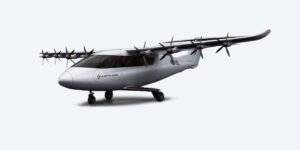
Electra eSTOL
SD-05 |
|
Manufacturer
|
Electra.aero
SkyDrive Inc. (Japan) |
|
Announced
|
2021
2022 |
|
launched
|
2023
Expo 2025 (public display & demo flights) |
Electric Flying Vehicle Dimensions & Build
|
Aircraft Type
|
Hybrid-electric ultra-short take-off and landing (eSTOL) fixed-wing aircraft
Passenger eVTOL (multicopter / flying car) |
|
Length
|
~11.5 m |
|
Wingspan / Rotor Diameter
|
11.3 m (including rotors) |
|
Maximum Takeoff Weight (MTOW)
|
1,400 kg (3,100 lbs) |
|
Passenger Capacity
|
Up to 9 passengers + 1 pilot
3 (1 pilot + 2 passengers) |
|
Cargo Capacity
|
2,500 lb
Small luggage only |
|
Landing Gear Type
|
Tricycle gear (fixed or semi-retractable)
Fixed skids with stabilizing fins |
Power & Propulsion
|
Battery Type
|
Lithium-ion (hybrid-electric configuration)
Electric (chemistry not disclosed) |
|
Solar / Hybrid Assist
|
Yes – hybrid assist (turbogenerator)
None (battery only) |
|
Motor
|
8 wing-mounted electric motors (distributed propulsion)
12 electric motors / 12 propellers |
|
Propulsion System
|
Hybrid-electric system (battery + turbine generator)
Distributed Electric Propulsion (DEP) |
|
transmission
|
Direct electric drive to each propeller
Direct drive |
Electric Flying Vehicle Performance
|
Cruising speed
|
175 knots (324 km/h)
~100 km/h |
|
Top Speed
|
200 mph (174 knots)
~100 km/h |
|
Maximum Range
|
1,100 nautical miles (2,037 km)
15 km (future goal: 30–40 km) |
|
Endurance (Flight Time)
|
1 hour 43 minutes (prototype test flight)
5–10 minutes |
|
Service Ceiling (Max Altitude)
|
6,500 ft
|
|
Takeoff / Landing Type
|
150 ft
VTOL |
|
Noise Level (dB)
|
75 dBA at 300 ft
|
|
Flight Modes
|
Electric-only (quiet mode) / Hybrid (extended range)
Piloted with stability assist; remote piloting possible |
Safety & Systems
|
Avionics
|
Modern glass cockpit
|
|
Flight Control
|
Aerodynamic blown-lift system with T-tail configuration
Computer-controlled stability system |
|
Safety Features
|
Distributed propulsion redundancy, hybrid backup power
Redundant motors (DEP), lightweight composite structure |
|
Certifications
|
Targeting FAA Part 23 certification (~2028)
Under JCAB (Japan) & FAA (US) certification process |
Interior & Comfort
|
Seating Layout
|
1 pilot + up to 9 passengers
1 pilot front, 2 passengers rear |
|
Cabin Type
|
Enclosed regional commuter cabin
Enclosed, panoramic windows |
|
Storage Compartments
|
Small luggage space |
|
Other Features
|
Quiet cabin environment and short-field access
Large windows, carbon fiber/aluminum build, rooftop/vertiport use |
Capacities
|
Passenger Capacity
|
9 passengers
3 (1 pilot + 2 passengers) |
|
Payload Capacity
|
Up to 2,500 lb
|
Disclaimer Note
We can not guarantee that the information on this page is 100% correct