Tesla’s Supercharger network is evolving quickly, and the company is making major upgrades to support the growing number of non-Tesla EVs using Tesla Superchargers. As more automakers adopt the NACS standard, the variety of charge-port locations has created compatibility challenges—but Tesla is now addressing them head-on.
Longer Cables Coming to More Tesla Superchargers
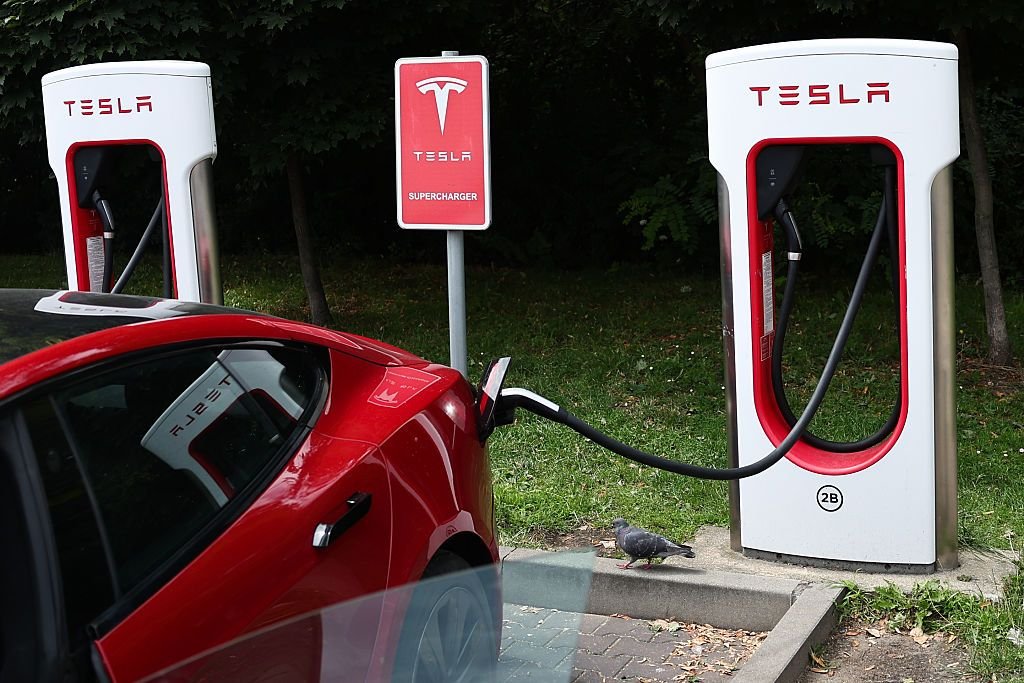
Superchargers were originally engineered exclusively for Tesla vehicles, which meant short cables were sufficient. But as EVs from other brands increasingly rely on Tesla Superchargers, cable length has become a common issue.
To fix this, Tesla is rolling out more long-cable stalls across its network. Within the next 18 months, long cables are expected to outnumber short ones, improving ease of use for virtually every EV model.
More Accurate Stall Availability for All EV Drivers
Tesla is also improving how Superchargers report stall availability. The system can now detect when an EV with a non-standard charge-port location—anything other than the typical rear-left or front-right—is using a short-cable stall. This prevents inaccurate reports and ensures drivers see more reliable availability estimates.
In the coming updates, Tesla plans to introduce:
- Exact site mapping
- Faster refresh rates for stall availability data
These refinements will help EV drivers find open Tesla Superchargers more efficiently.
Over 1,500 Supercharger Sites Already Upgraded
Tesla has already modified more than 1,500 Supercharger locations, ensuring drivers won’t need to stretch across more than two spaces to plug in. These improvements have boosted overall stall accessibility and reduced congestion during peak travel times.
Tesla Encourages Standardized Charge-Port Placement
To streamline charging across the industry, Tesla is urging automakers to place their charge ports on the rear left or front right of their EVs. This would maximize compatibility with the 30,000+ short-cable Tesla Superchargers already accessible to non-Tesla drivers worldwide.