Electric vehicles (EVs) have rapidly become a popular choice for drivers worldwide. But if you’re considering buying one—or already own one—you might wonder: What happens to an EV after 5 years? Do the batteries fail? Does maintenance become expensive? Will it hold its value? In this guide, we’ll explore what to expect from your EV after half a decade, based on global trends and real-world examples.
Battery Health: The Heart of an EV

The most critical component of any EV is its battery. After five years, most modern EV batteries retain 70–90% of their original capacity, depending on the model, climate, and usage patterns.
For example:
Tesla Model 3 batteries tend to hold around 90% capacity after five years.
Nissan Leaf older models have shown faster degradation, averaging 75–80% capacity retention.
Chevy Bolt batteries usually retain about 80%, which is still enough for most daily commutes.
Tips to Extend Battery Life:
Avoid frequent full charges or discharges.
Use slower, overnight charging when possible.
Keep the car in moderate temperatures, avoiding extreme heat or cold.
Battery Degradation Example (5 Years):
| EV Model | Battery Capacity Remaining | Notes |
|---|---|---|
| Tesla Model 3 | 90% | Minimal degradation |
| Nissan Leaf | 75–80% | Older batteries degrade faster |
| Chevy Bolt | 80% | Range anxiety reduced with updates |
Maintenance Costs After 5 Years
One of the biggest advantages of EVs is that they have fewer moving parts than traditional internal combustion engine (ICE) vehicles. This typically results in lower maintenance costs over time.
What you might spend on maintenance after 5 years:
Brakes: EVs use regenerative braking, so brake pads last longer.
Tires: Regular replacements as needed.
Coolant & fluids: Minor costs for battery cooling systems.
Software updates: Often free and over-the-air.
Comparison Table: 5-Year Maintenance Costs (Average)
| Vehicle Type | Maintenance Cost | Notes |
|---|---|---|
| EV (Tesla, Nissan, Bolt) | $1,200–$2,000 | Fewer moving parts, regenerative brakes |
| ICE Vehicle | $2,500–$4,000 | Oil changes, transmission, exhaust |
Depreciation and Resale Value
Depreciation is often a concern for any car buyer. EVs initially depreciate faster than ICE cars, primarily due to battery anxiety and rapid tech upgrades. But after five years, popular EV models hold their value better.
Tesla Model 3: Retains 60–65% of original value.
Chevy Bolt: Retains 50–55%, slower resale due to limited range and older battery concerns.
Nissan Leaf: Resale value varies, but older models lose more quickly.
Tips for Better Resale:
Buy certified pre-owned EVs with warranty coverage.
Avoid models with outdated batteries or slow charging capabilities.
Software Updates and Technology Aging
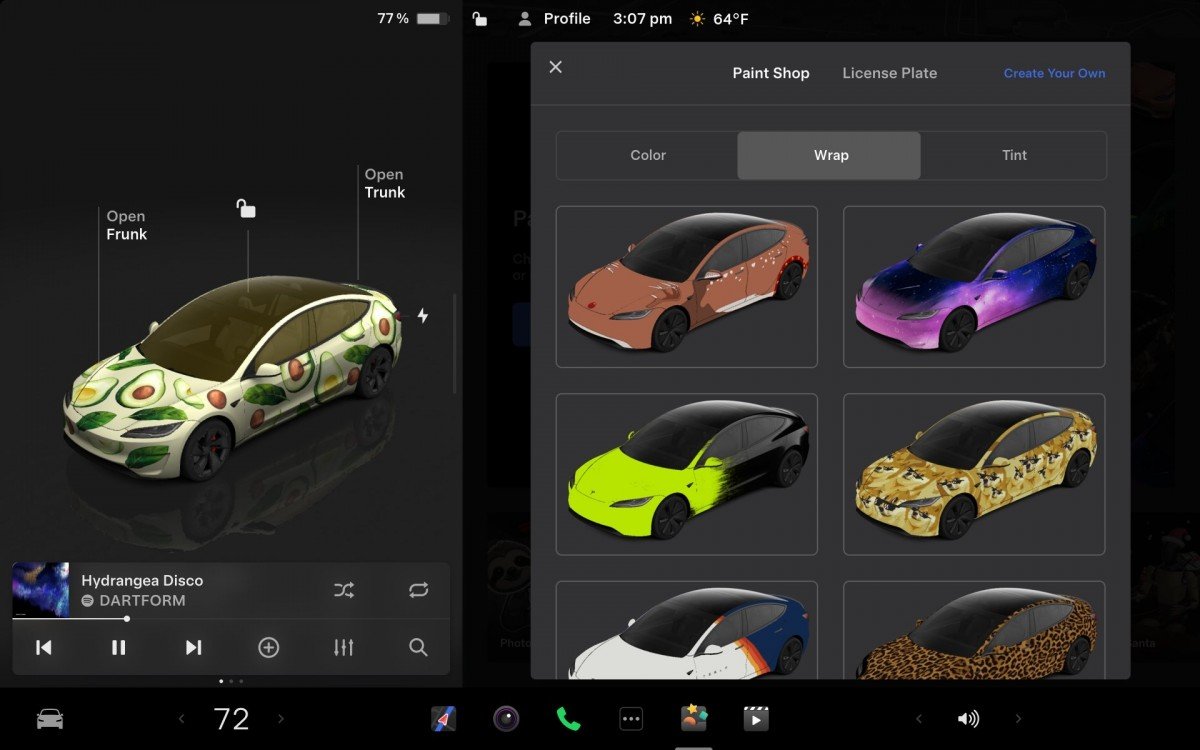
Unlike ICE cars, EVs often improve with over-the-air software updates. Even after 5 years, models like Tesla can gain new features, efficiency improvements, and safety enhancements.
Neutral note: Older EVs may miss out on newer hardware upgrades like advanced driver-assistance sensors, but software improvements often compensate for this.
Charging Infrastructure and Compatibility
EV charging networks have expanded globally, but older EVs may face slower charging speeds or require adapters for new fast chargers.
U.S. & Europe: Rapid expansion of fast-charging stations.
Asia: China leads in fast charger adoption, improving convenience for older EVs.
Environmental Impact After 5 Years
Even five years into its life, an EV maintains a lower carbon footprint than a comparable gas car. Battery production is energy-intensive, but over time, the reduced emissions from driving make EVs a greener choice.
Tips for Maximizing EV Life
Avoid deep discharges and frequent fast charging.
Keep software updated regularly.
Store your EV in moderate climates.
Check and utilize battery warranty coverage, especially for used purchases.
After 5 years, EVs remain reliable, efficient, and cost-effective. While battery capacity slightly decreases and depreciation occurs, maintenance costs are lower, software updates keep features current, and environmental benefits remain. Buying a 5-year-old EV can be a smart choice, especially if you follow best practices to maintain battery health and leverage warranties.
With EV technology advancing rapidly, five years is not a barrier—it’s an opportunity to enjoy a greener, low-maintenance driving experience.