- Home
- Electric Vehicles
- Compare
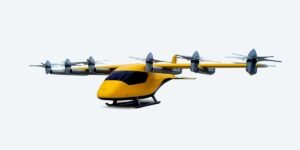
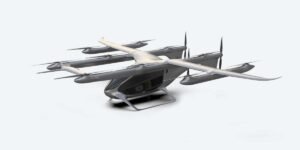
- Wisk Aero Generation 6 vs AutoFlight eVTOL
Wisk Aero Generation 6 vs AutoFlight eVTOL
Overview Electric Flying Vehicle
|
Model
|
Wisk Aero Generation 6
AutoFlight eVTOL |
|
Manufacturer
|
Wisk Aero
AutoFlight |
|
Announced
|
2022
2021 |
|
Base Price
|
150000 |
Electric Flying Vehicle Dimensions & Build
|
Aircraft Type
|
All-electric autonomous eVTOL air taxi
Electric Vertical Take-Off and Landing (Lift + Cruise configuration) |
|
Length
|
11.6 m |
|
Wingspan / Rotor Diameter
|
50 ft (15 m)
14.5 m |
|
Height
|
2.6 m |
|
Maximum Takeoff Weight (MTOW)
|
2,000 kg |
|
Passenger Capacity
|
4 passengers
4 passengers + 1 pilot (total 5 seats) |
|
Cargo Capacity
|
Nose luggage compartment
350 kg payload |
|
Landing Gear Type
|
Fixed skid landing gear
Fixed skid gear |
Power & Propulsion
|
Battery Type
|
All-electric
Lithium-ion battery pack (fully electric) |
|
Battery Capacity
|
160 kWh |
|
Charging Time
|
15 minutes fast recharge
|
|
Solar / Hybrid Assist
|
None
pure electric |
|
Motor
|
12 electric motors (distributed propulsion)
13 electric motors (10 lift + 3 pusher for cruise) |
|
Propulsion System
|
12-propeller system – 6 tilting front for lift + forward flight, 6
|
Electric Flying Vehicle Performance
|
Cruising speed
|
120 knots (222 km/h)
200 km/h |
|
Top Speed
|
138 mph (222 km/h)
250 km/h |
|
Maximum Range
|
90 miles (144 km)
250 km (≈ 155 miles) |
|
Endurance (Flight Time)
|
5–50 minutes
1 hour |
|
Service Ceiling (Max Altitude)
|
2,500–4,000 ft AGL
|
|
Takeoff / Landing Type
|
Vertical takeoff and landing (VTOL)
Vertical take-off and landing (VTOL) |
|
Noise Level (dB)
|
85 dB at 100 ft hover, 40 dB at cruise
65 dBA at hover |
|
Flight Modes
|
Hover, transition, cruise
Piloted and autonomous capable |
Safety & Systems
|
Avionics
|
Redundant fly-by-wire flight control system
Advanced fly-by-wire and redundant control systems |
|
Flight Control
|
Fully autonomous with human supervisory oversight
Autonomous flight software in development |
|
Safety Features
|
Multiple redundant motors, no single point of failure
Distributed propulsion redundancy, multiple rotors for stability |
|
Emergency Landing System
|
Capable of safe landing with rotor failures
Whole-aircraft parachute (reported) |
|
Certifications
|
FAA type certification in progress
Type certification under EASA and CAA in progress |
Interior & Comfort
|
Seating Layout
|
2×2 passenger configuration
2 front + 3 rear (passenger plus pilot) |
|
Cabin Type
|
Automotive-inspired, panoramic windows
Fully enclosed pressurized-style cabin |
|
Infotainment & Displays
|
Onboard WiFi, seat charging ports
Digital instrument and flight displays (expected) |
|
Storage Compartments
|
Nose luggage compartment, space for carry-on
Small rear cargo area |
|
Other Features
|
Accessibility for passengers with disabilities
Large panoramic windows, lightweight luxury finish |
Capacities
|
Passenger Capacity
|
4
5 |
|
Payload Capacity
|
900 lb (408 kg)
350 |
Disclaimer Note
We can not guarantee that the information on this page is 100% correct