Our Rating
The overall rating is based on review by our experts
PERFORMANCE
5 / 10
BATTERY
7 / 10
BODY
3 / 10
DISPLAYS
5 / 10
COMFORT
6 / 10
SAFETY
7 / 10
PROS
- First sedan from a brand built entirely around off-road identity, a genuine segment pivot rather than a trim exercise
- Dual-motor AWD variant outputs a combined 490 kW across front and rear motors
- Shares BYD's in-house Blade Battery and motor supply chain, the same backbone used across FCB's existing flash-charging models
CONS
- Battery capacity, range, and charging specifications remain unconfirmed ahead of the Q3 2026 launch
- Pricing and market availability are unannounced, with no confirmation yet of export beyond China (possibly under the Denza badge)
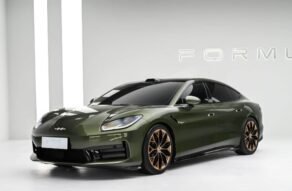
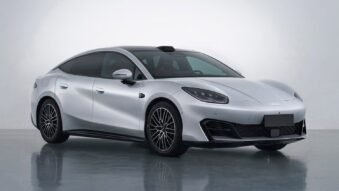
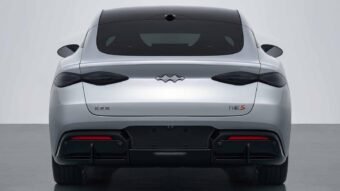
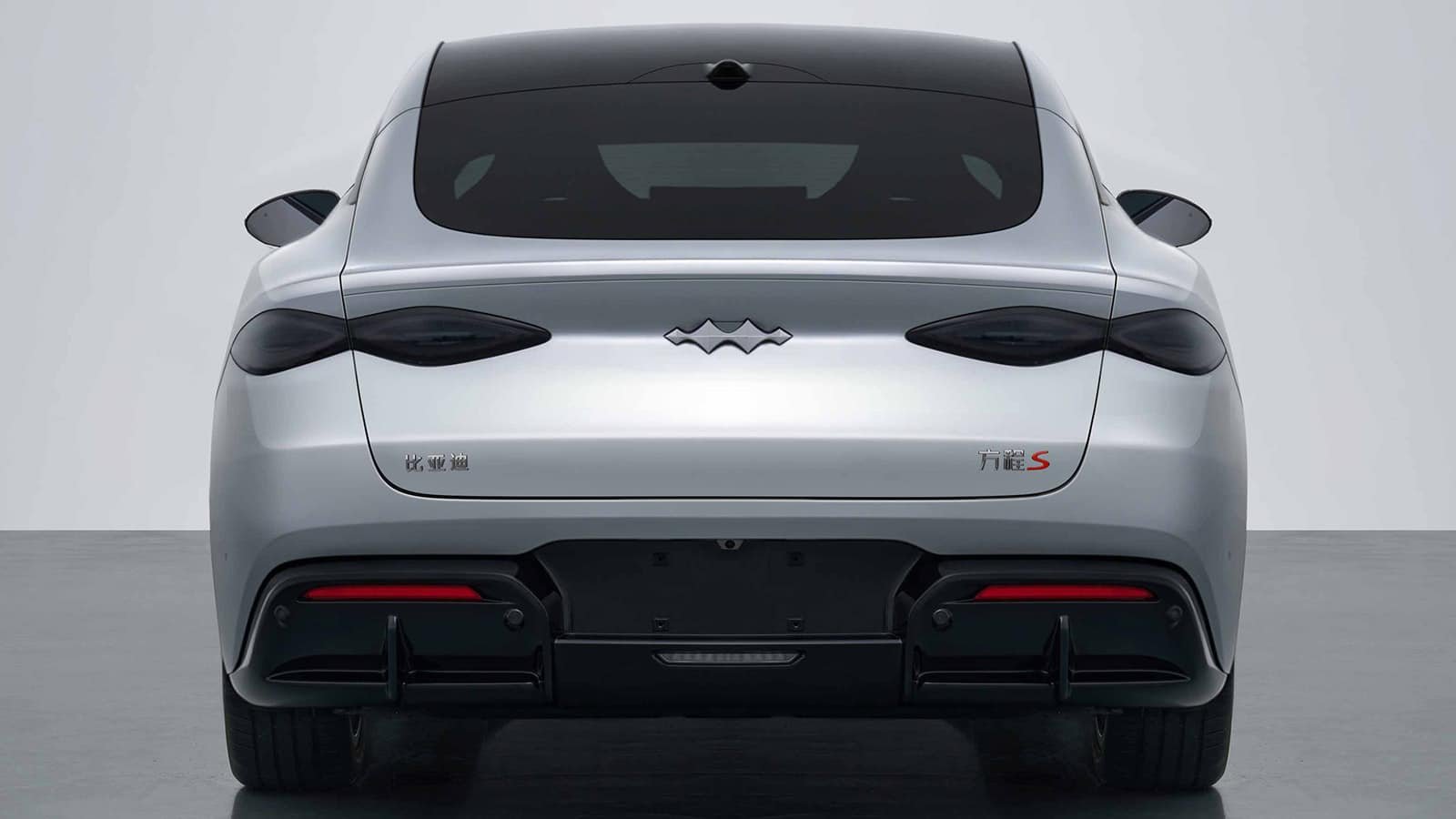
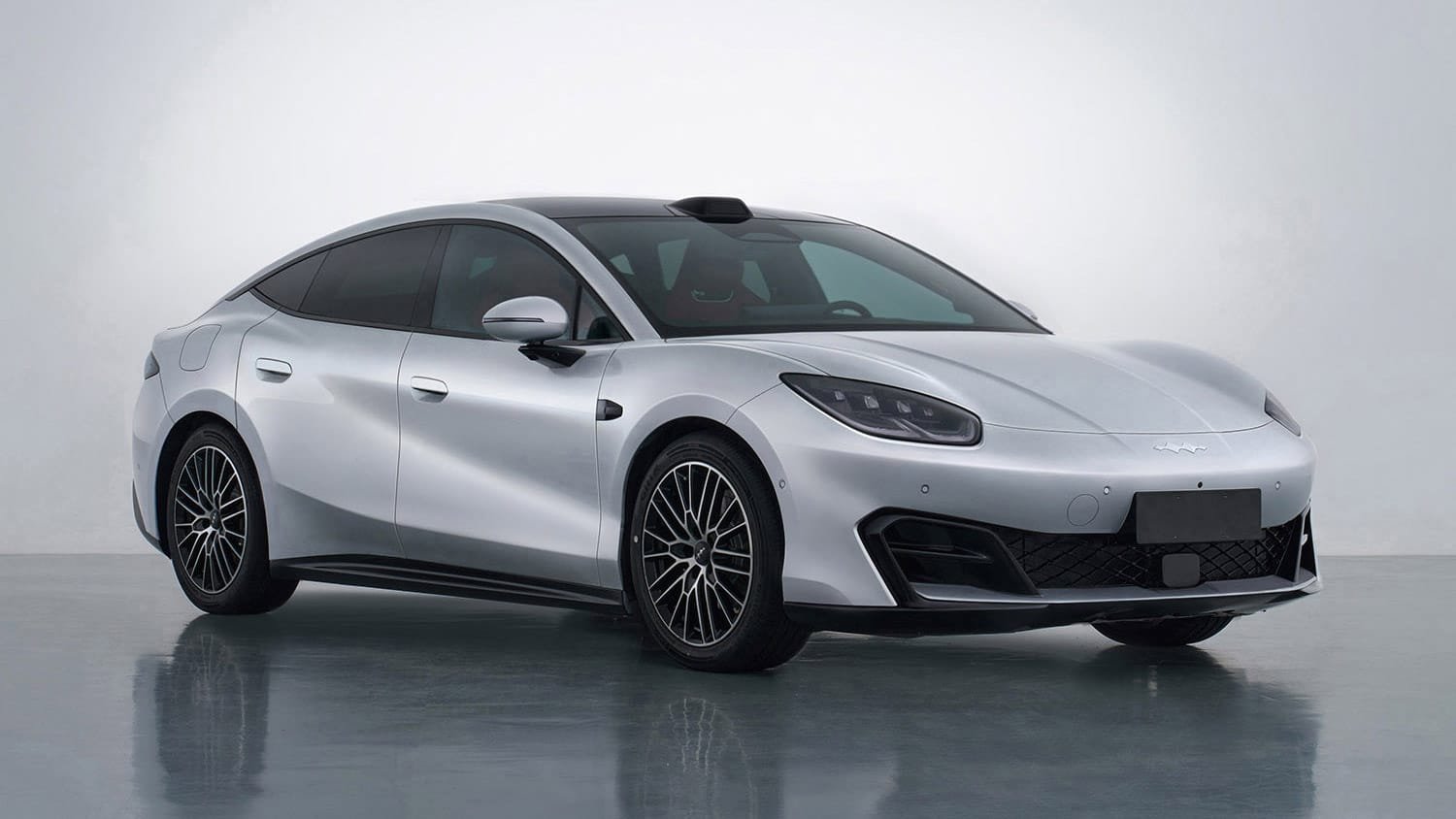
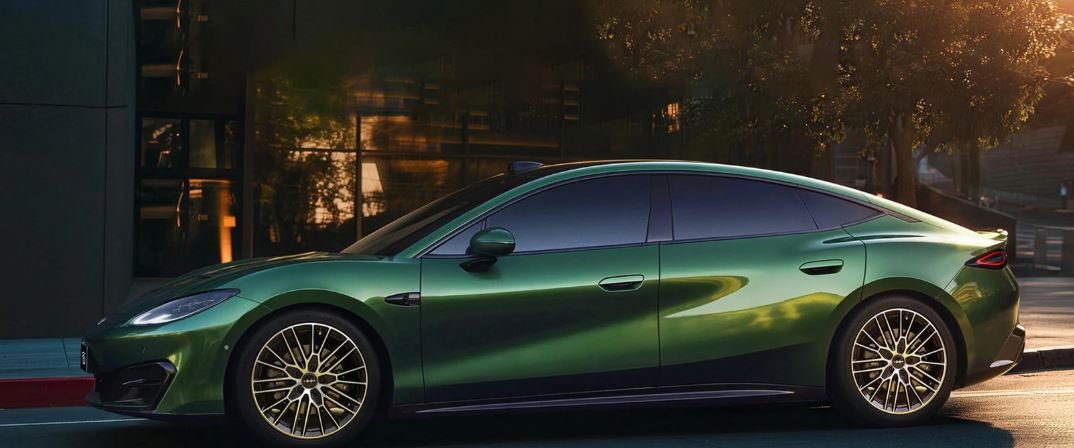
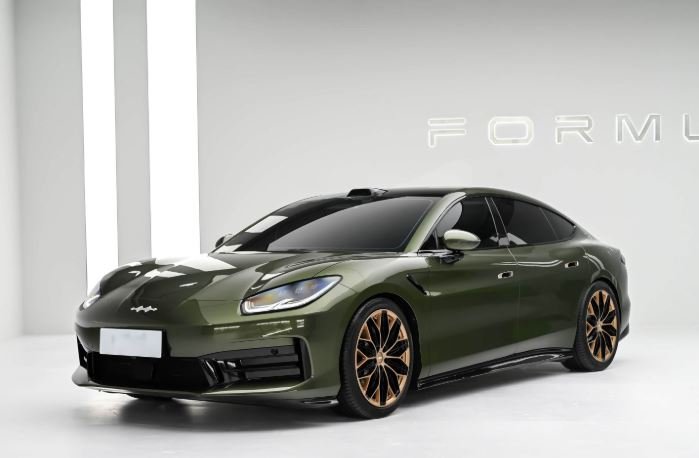
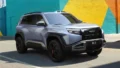
The Fang Cheng Bao Formula S is the first sedan from Fang Cheng Bao, BYD’s off-road-focused sub-brand best known for the Bao 5 and Bao 8 body-on-frame SUVs. Within FCB’s own lineup, it marks a deliberate move out of off-road territory and into a full-size/D-segment electric sedan body style, with a shooting-brake sibling, the Formula S GT, sold alongside it. Drivetrain options run from a single rear motor in two power tunes to a dual-motor AWD setup, putting the car at the upper end of FCB’s range in both positioning and ambition. What makes it notable isn’t styling or branding — it’s that a brand built entirely on hardcore off-road identity is now filing paperwork for a sedan, which is a real shift in product strategy rather than a trim refresh.
On powertrain, confirmed details are limited. The Formula S uses BYD’s own LFP Blade Battery and an all-electric setup, with a regulatory top speed of 240 km/h. The single-motor RWD version is rated at 245 kW (329 hp) or 300 kW depending on trim, while the dual-motor AWD version pairs a 190 kW front motor with a 300 kW rear motor for a combined 490 kW. Battery capacity, WLTP/CLTC range figures, and DC/AC charging specs have not been officially disclosed — these are genuinely unconfirmed at this stage, since the car has only appeared in a Chinese regulatory filing ahead of its Q3 2026 launch, not in a full spec sheet. ⚠️ Any range or charging numbers circulating online before an official reveal should be treated as speculation, not confirmed data.
Pricing has not been announced and won’t be clear until closer to the Q3 2026 launch, so no figure — in yuan, USD, or NGN/KES/ZAR equivalents — can be stated with confidence yet. Based on dimensions (5,060 mm long, 2,960 mm wheelbase) and BYD’s pricing pattern for comparable Blade Battery sedans, it’s reasonable to expect Formula S to land in a similar bracket to the BYD Han L EV rather than at flagship-premium money, though this is context, not a quote. The realistic buyer here is someone cross-shopping mid-to-upper Chinese EV sedans for performance and tech rather than off-road capability — not a like-for-like match for EVCarLatest’s usual grey-import SUV audience, but relevant as a marker of where Chinese sub-brand sedan competition is heading. Within BYD’s own ecosystem, the Formula S sits closest to the BYD Han L and the sportier Denza Z, both drawing from the same parent group’s EV architecture. Externally, it lines up against the Xiaomi SU7 and Zeekr 007 on price-segment overlap. For a direct spec-and-price comparison angle, the BYD Han L EV is the closest match — same battery chemistry family, similar dimensions, established pricing to benchmark against.
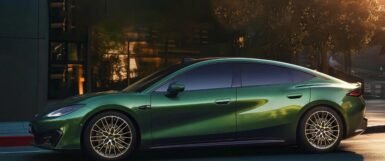
Fang Cheng Bao Formula S Photos