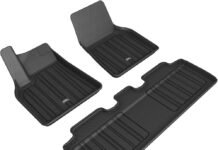
The EV accessories that actually get used every day are simpler than most gift guides suggest: a portable Level 2 charger, a cabin frunk/trunk organizer, a tire inflator with sealant, a charging cable lock, a dash cam built for silent running, weatherproof floor liners, and a 12V-to-USB power hub. That’s the short list. Owners skip the gimmicks — the light-up charge port covers, the branded keychains — and gravitate toward gear that solves a recurring problem: charging away from home, protecting cargo space that has no engine noise to mask a break-in, or dealing with a flat tire when there’s no spare.
Below, each accessory gets its own breakdown: what it does, typical price range, what to look for, and where owners say it earns its keep.
Quick Summary Box
| # | Accessory | Typical Price (USD) | Why Owners Keep It |
|---|---|---|---|
| 1 | Portable Level 2 (J1772/NACS) charger | $400–$700 | Fills gaps where public charging is sparse |
| 2 | Charging cable lock | $30–$60 | Prevents cable theft at public/home stations |
| 3 | Frunk/cargo organizer | $25–$70 | Keeps loose gear from sliding in the extra storage space |
| 4 | Tire inflator + sealant kit | $60–$120 | Most EVs ship without a spare tire |
| 5 | EV-specific dash cam (parking mode) | $150–$300 | Runs on low-draw parking mode without draining the 12V battery |
| 6 | All-weather floor liners | $80–$180 | Protects carpet from charging-cable grime and wet-weather use |
| 7 | 12V/USB-C power hub | $20–$45 | Powers phones, coolers, and camping gear from the accessory outlet |
Prices reflect general 2026 retail ranges across major online marketplaces and vary by region, brand, and vehicle compatibility.
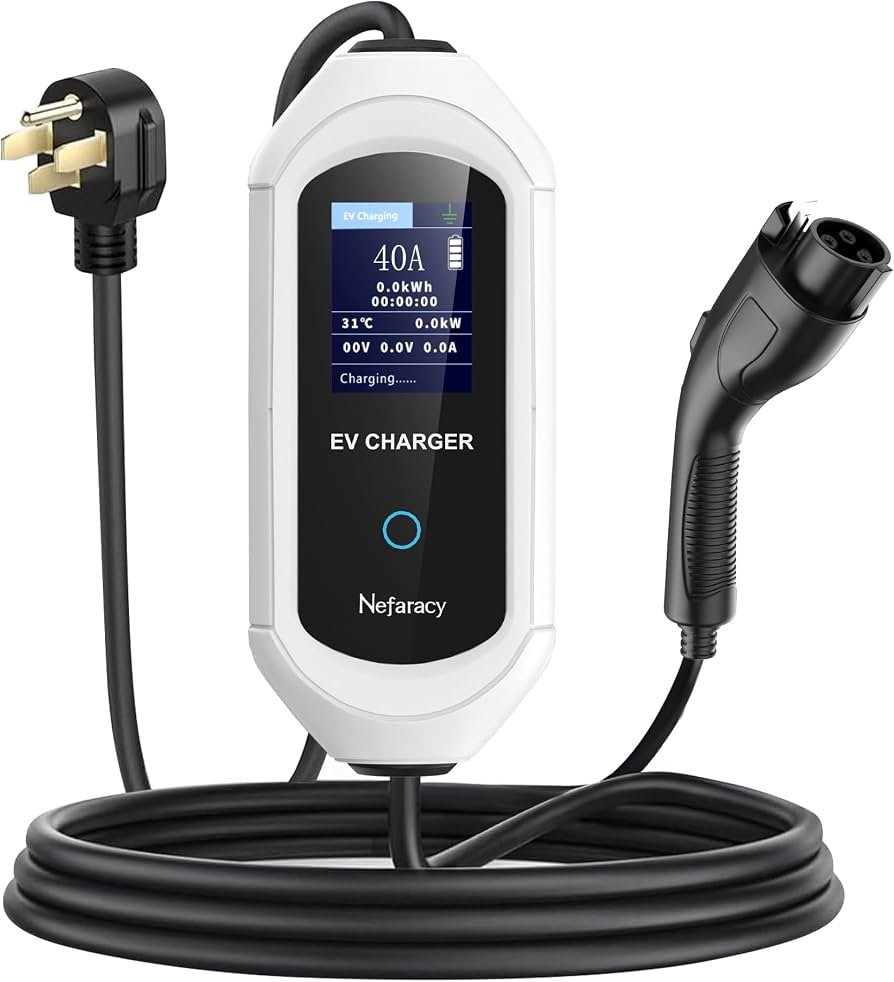
1. Portable Level 2 Charger
What it solves: Most EVs come with a basic Level 1 (120V) cable that adds roughly 3–5 miles of range per hour — workable overnight, unworkable if you need a meaningful top-up during the day. A portable Level 2 unit, often called a “mobile connector upgrade,” plugs into a NEMA 14-50 or similar outlet and can push charging speeds up to 30–40 miles of range per hour depending on the vehicle’s onboard charger limit.
What to look for:
- NACS or J1772 connector matching your vehicle (check which standard your model uses — this shifted significantly across the 2024–2026 model years as more brands adopted NACS)
- Adjustable amperage (16A–48A) so it can run safely on multiple outlet types
- UL or equivalent regional safety certification
Owner note: This is consistently the single accessory cited most often in EV owner forums as “wish I’d bought it on day one.” It matters most for owners without home Level 2 wall chargers, or those who travel to areas with weak public charging density.
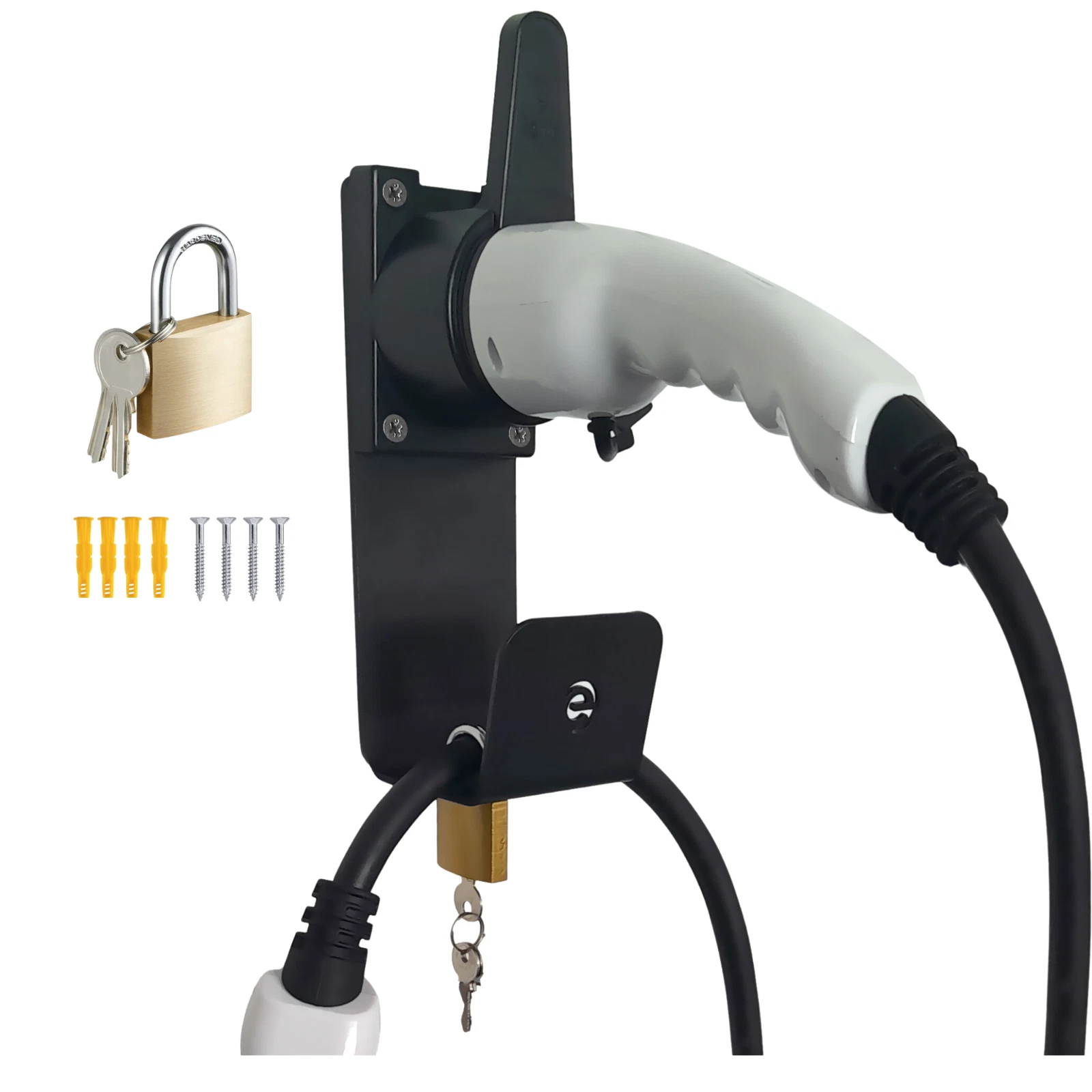
2. Charging Cable Lock
Public charging cable theft — for the copper inside, not the vehicle — became a documented issue in several markets as EV adoption grew faster than charging-station security. A charging cable lock physically secures the plug to the port or the station, adding a mechanical deterrent.
What to look for:
- Compatibility with your charge port shape (NACS ports are smaller than CCS)
- Weatherproof housing since it lives outside
- A lock cylinder rated for outdoor use, not a light indoor padlock
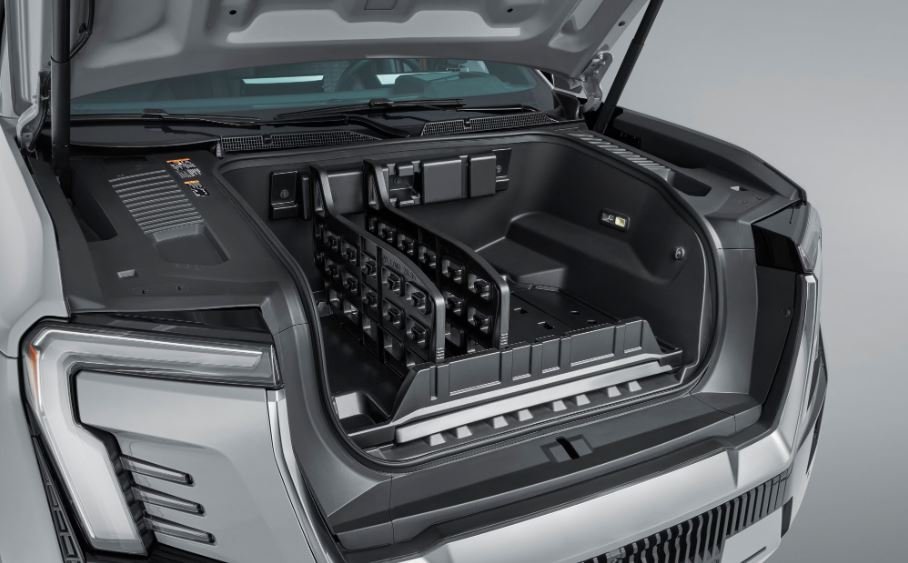
3. Frunk and Cargo Organizer
EVs with a front trunk (frunk) or a flat, low load floor in the rear create storage shapes that don’t match traditional car organizers built for a sloped trunk with a spare-tire well. Purpose-built organizers use dividers and non-slip bases shaped for the flat, often shallow compartments common in EV frunks.
What to look for:
- Washable liner material (frunks are frequently used for wet or dirty gear like charging cables)
- A drainage-friendly design if the frunk itself has a drain plug
- Foldable design for occasional full-cargo use

4. Tire Inflator and Sealant Kit
Because EVs are heavier than comparable combustion vehicles (battery pack weight typically adds several hundred pounds), tire wear and pressure management matter more, and most EVs skip a spare tire entirely to save weight and space. A 12V-powered inflator paired with a sealant kit is the practical stand-in.
What to look for:
- 12V DC plug compatible with the vehicle’s accessory outlet (confirm your EV keeps accessory power live with the vehicle off — some models don’t)
- Digital pressure gauge with auto shut-off
- Sealant rated for the tire size and speed rating of your specific EV, since many EVs run higher-load-rated tires
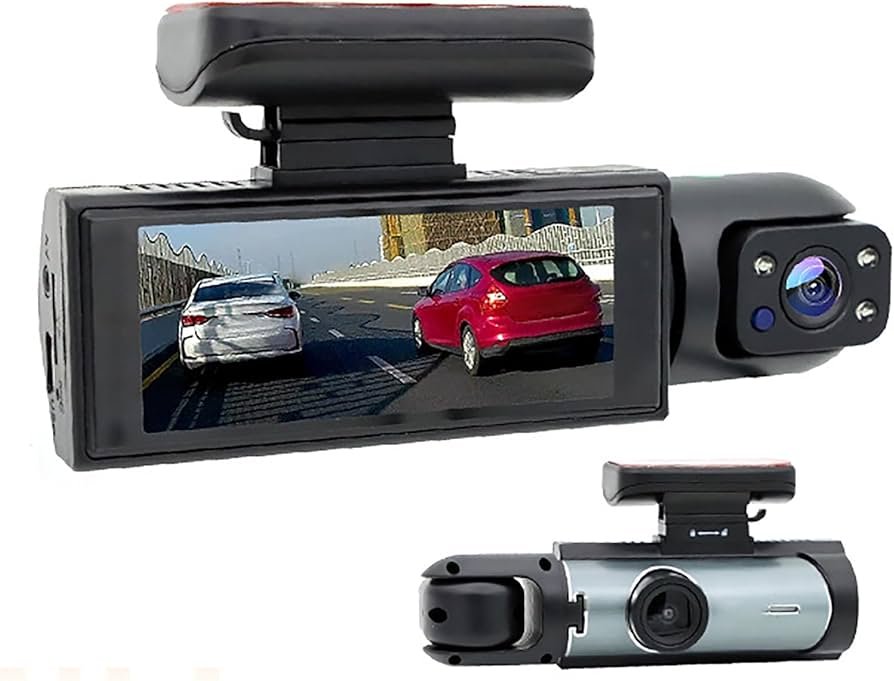
5. EV-Specific Dash Cam With Parking Mode
Standard dash cams designed for combustion vehicles can be too power-hungry for EV parking mode, since EVs manage 12V battery drain differently than vehicles with a traditional alternator constantly topping up. An EV-specific or low-draw dash cam avoids draining the 12V auxiliary battery, which — unlike a gas car — usually can’t be jump-started as a quick fallback if it also affects the high-voltage system’s wake-up circuitry.
What to look for:
- Documented low-power parking mode current draw (look for models specifying under 50mA)
- Hardwire kit compatible with your EV’s fuse box or accessory circuit
- Buffered/battery-backed voltage monitoring to cut off before the 12V battery is damaged
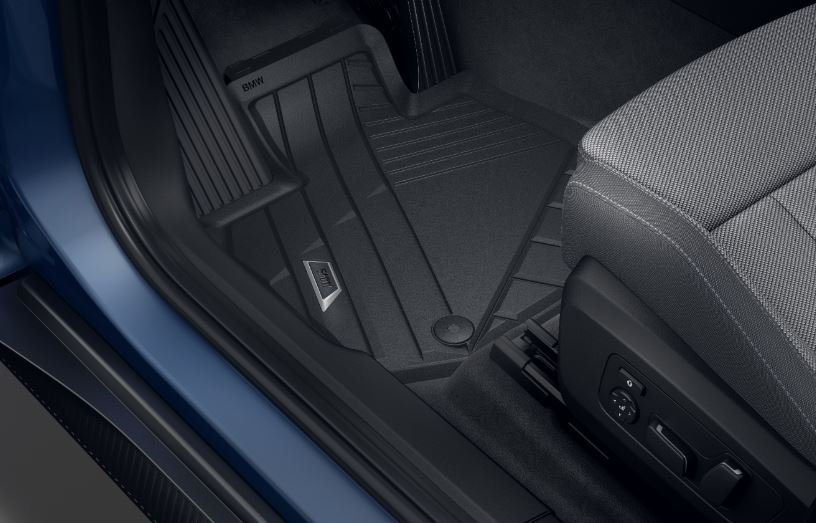
6. All-Weather Floor Liners
Charging cables dragged in from wet pavement, road salt, and the general absence of an engine bay to “dry out” moisture make weatherproof liners a practical upgrade over factory carpet, especially for owners who charge outdoors year-round.
What to look for:
- Raised lip edges to contain runoff
- A trim specific to your exact model year, since EV interior floor shapes vary even within the same nameplate across trims
- Rear cargo liner as a companion piece if the vehicle has a flat load floor
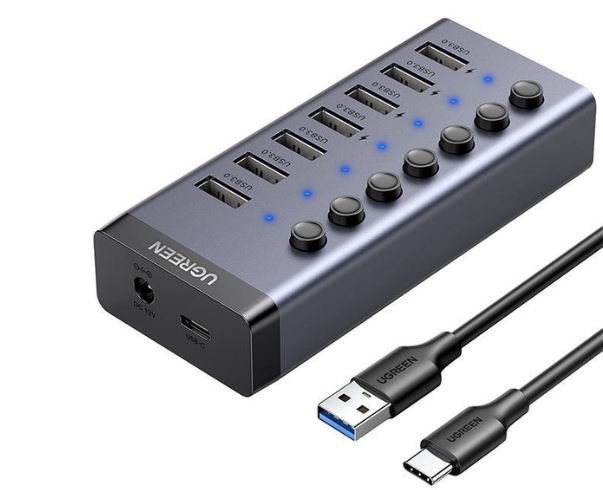
7. 12V/USB-C Power Hub
EVs typically retain a 12V accessory outlet and one or more USB-C ports, but families running phones, tablets, coolers, and camping equipment often run out of ports fast. A compact power hub multiplies outlets without needing an inverter for most low-wattage devices.
What to look for:
- Combined USB-A/USB-C output matching your devices’ charging speeds
- Fuse protection to avoid tripping the accessory circuit
- Confirm the accessory outlet stays powered with the vehicle off, if that’s your intended use case (this varies by manufacturer and software settings)
Comparison Table: Priority by Ownership Situation
| Accessory | Best For | Skip If… |
|---|---|---|
| Portable Level 2 charger | No home Level 2 wallbox installed | You already have a dedicated home charger |
| Cable lock | Frequent public/street charging | You only charge in a private garage |
| Frunk organizer | Vehicles with a usable frunk | Your EV doesn’t have a frunk (some sedans/SUVs skip it) |
| Tire inflator + sealant | Any EV without a spare (most 2026 models) | Vehicle includes a compact spare (rare, but check your trim) |
| EV dash cam | Daily commuters, street parking | Vehicle has integrated Sentry-style camera already (varies by brand/trim) |
| All-weather floor liners | Cold/wet climates, frequent outdoor charging | Garage-only charging in a dry climate |
| 12V/USB-C hub | Families, road trips, camping use | Vehicle already has 4+ built-in USB ports |
Bottom Line
For most 2026 EV owners, the portable Level 2 charger and the tire inflator/sealant kit are the two accessories worth buying immediately — one solves the charging gap, the other replaces the spare tire the vehicle doesn’t have. The rest (cable lock, dash cam, organizer, liners, power hub) are worth adding based on climate, parking situation, and how much cargo space you actually use, rather than buying all seven at once.