The best fleet EV management software right now is Geotab for large mixed fleets that need deep telematics plus EV analytics in one platform, Samsara for fleets that want AI-driven routing and safety tools bundled with charging insights, and ChargePoint Fleet for operators whose biggest headache is charging infrastructure itself rather than vehicle tracking.
No single platform wins on all three fronts — routing, charging, and cost tracking — which is exactly why fleet buyers keep asking the question. Below, we break down how each major platform handles route optimization around battery range, charging session management across depot and public networks, and the cost-tracking tools that turn energy data into a real per-mile number. If you run a mixed ICE/EV fleet or you’re mid-electrification, the right pick depends less on brand recognition and more on which of these three jobs is actually costing you money today.
Quick Summary
| Takeaway | Detail |
|---|---|
| Best overall | Geotab — strongest single-platform combination of telematics, EV battery analytics, and third-party integrations |
| Best for AI-driven routing | Samsara — range-aware route planning bundled with dash-cam safety and compliance tools |
| Best for charging infrastructure | ChargePoint Fleet — purpose-built for depot and public charging scheduling, billing, and OCPP hardware compatibility |
| Best for Ford commercial fleets | Ford Pro — deepest native integration for F-150 Lightning and E-Transit, weaker outside the Ford ecosystem |
| Watch for | Multi-year contract lock-in (36 months is common) and add-on modules priced separately from the base subscription |
What “Fleet EV Management Software” Actually Needs to Do
Traditional fleet telematics was built around fuel cards, engine diagnostics, and hours-of-service compliance for diesel vehicles. <cite index=”7-1″>Those platforms were not designed to handle battery state-of-charge monitoring, depot charging coordination, range-dependent route planning, demand charge management, or battery health degradation tracking</cite>. That gap is what a dedicated EV fleet platform needs to close, and it breaks down into three distinct jobs.
1. Routing Around Battery Range, Not Just Distance
An EV route planner has to factor in current state of charge, elevation change, cargo weight, HVAC load, and charging stop availability — not just the shortest path between two points. <cite index=”3-1″>The strongest platforms use AI-driven range prediction and charge optimization that dynamically plans routes around battery SOC and charging infrastructure</cite>, which matters most for delivery and service fleets running vehicles close to their daily range limit.
2. Charging Session Management
This covers three separate charging contexts fleets have to manage simultaneously: depot chargers, public charging networks, and home charging reimbursement for employees who charge overnight. <cite index=”7-1″>A single platform needs to manage depot chargers, public charging access, and home charging reimbursement together, with OCPP compatibility so fleets are never locked into one charger hardware vendor</cite>. Skipping this step is the single most common reason electrification projects blow their first-year budget — fleets buy the vehicles and the chargers but manage billing and access on spreadsheets.
3. Cost Tracking That Actually Reaches a Per-Mile Number
Cost tracking for an EV fleet is harder than it sounds, because electricity cost varies by time of day, by depot versus public charging, and by whether the fleet is exposed to commercial demand charges. Software that only reports “kWh consumed” isn’t giving you a cost-tracking tool — it’s giving you a utility bill. The platforms that do this well tie energy consumption analytics directly to charging session cost and vehicle-level reporting, so a fleet manager can compare true cost-per-mile against the diesel or gas vehicles still in the fleet.
Platform-by-Platform Breakdown
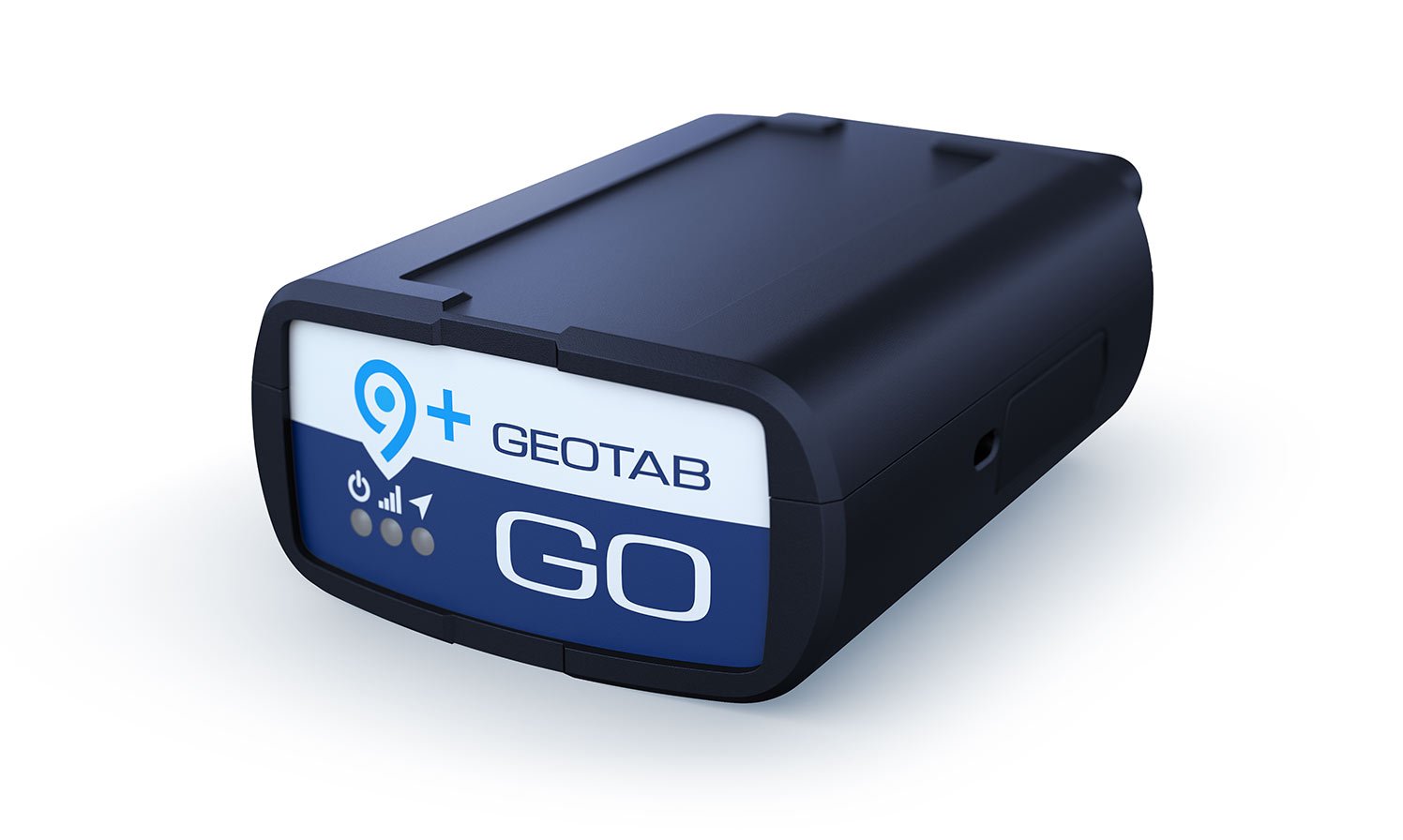
Geotab — Best Overall for Mixed Fleets
<cite index=”2-1″>Geotab is built around its MyGeotab software and GO devices, delivering real-time GPS tracking alongside EV-specific metrics like battery state of charge, health degradation, and energy consumption</cite>. <cite index=”1-1″>It combines deep telematics with fleet-wide EV energy analytics in a single operational workflow, tracking location, battery and charging behavior, and driver activity through one data layer, with support for custom rules, maintenance insights, and third-party integrations</cite>.
Strengths: Broadest ecosystem of third-party integrations of any platform on this list; works equally well for fleets that are only partially electrified. Weaknesses: Pricing is quote-based and not published; UI depth can be overkill for small fleets under 20 vehicles.

Samsara — Best for AI-Driven Routing and Safety
<cite index=”4-1″>Samsara combines real-time telematics, safety monitoring, and compliance tools with EV-specific features including battery state-of-charge tracking, charging session management, energy efficiency analytics, and AI-optimized routing that factors in charging infrastructure and range predictions</cite>. <cite index=”4-1″>The platform pairs plug-and-play hardware like gateways and dash cams with a centralized dashboard and mobile app</cite>.
Pricing: <cite index=”10-1″>Samsara pricing starts at $27–$33 per vehicle per month for GPS telematics, rising to $40 or more with AI dash cams included</cite>. <cite index=”9-1″>The pricing page does not display a published per-vehicle rate; instead it routes buyers through fleet-size brackets into a custom quote conversation</cite>. <cite index=”10-1″>A 36-month minimum contract is standard, and early termination requires paying the full remaining contract balance</cite> — fleets should confirm this term before signing.
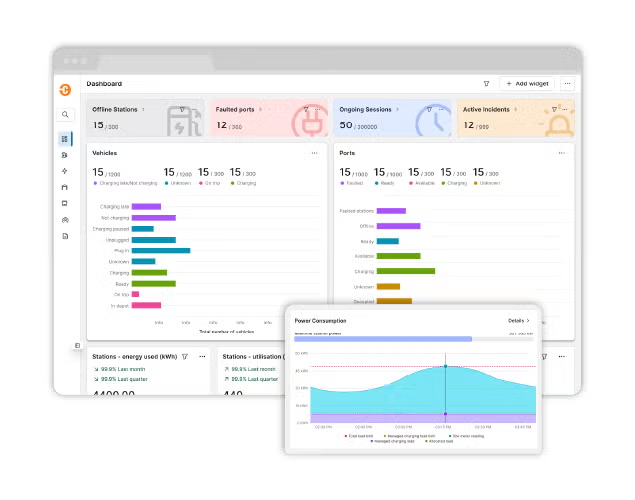
ChargePoint Fleet — Best for Charging Infrastructure
<cite index=”6-1″>ChargePoint Fleet is built specifically for fleet operators, giving oversight of charging infrastructure, driver access, and energy usage across public and private networks, with tools for real-time monitoring, automated billing, route optimization, and analytics</cite>. <cite index=”6-1″>It supports seamless roaming across more than 200,000 ChargePoint stations and OCPP-compliant networks</cite>, which matters for fleets that mix depot charging with on-the-road public charging.
Pricing: <cite index=”6-1″>Enterprise pricing is typically subscription-based at $20–$50 per charging port per month plus setup fees, with volume discounts for larger fleets</cite>.
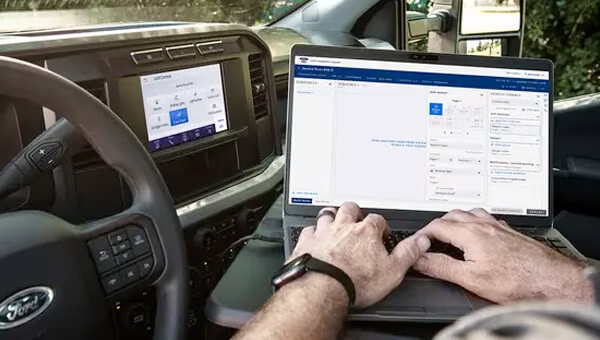
Ford Pro — Best for Ford Commercial EVs
<cite index=”11-1″>Ford Pro provides a deeper level of native vehicle integration for businesses running Ford commercial fleets, covering vehicles, charging, software, service, and financing in one package</cite>. Real-world deployments back this up: <cite index=”12-1″>Ecolab worked with Ford Pro to electrify its North American sales and service fleet starting in California, projecting roughly $1,400 in annual fuel-cost savings per F-150 Lightning Pro truck converted</cite>. The tradeoff is that Ford Pro’s depth doesn’t extend to non-Ford vehicles, so mixed-brand fleets lose most of the advantage.
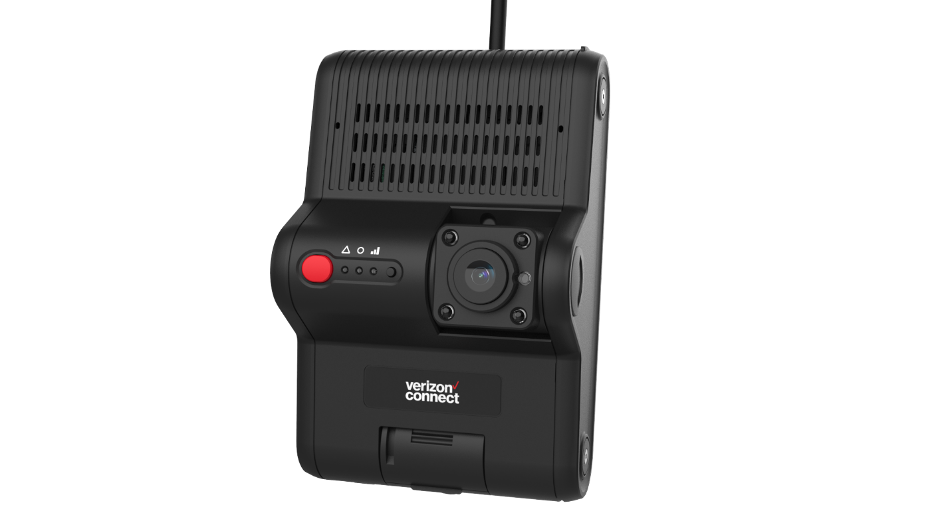
Verizon Connect — Best for Fleets Already on Verizon Network Infrastructure
<cite index=”4-1″>Verizon Connect offers real-time GPS tracking and route optimization with EV-specific features including battery state-of-charge monitoring, range prediction, and integration with public charging networks to plan efficient routes, running on Verizon’s cellular network for connectivity</cite>.
Strengths: <cite index=”4-1″>Real-time tracking via Verizon’s nationwide network and scalability for large fleets with strong integration options</cite>. Weaknesses: <cite index=”4-1″>High custom pricing that may not suit small fleets, a steep learning curve for advanced reporting, and occasional reported customer service delays</cite>.
ChargePoint Fleet Alternatives Worth A Look
Two smaller, more specialized platforms are worth flagging for fleets whose main pain point is charging cost, not routing:
- Driivz — <cite index=”5-1″>a unified EV charging management platform supporting fleet operations, network roaming, and analytics</cite>, better suited to operators managing charging as a service across multiple client fleets than to a single company’s own fleet.
- EV Connect — <cite index=”5-1″>a cloud-based solution focused on EV charging network management, billing, and fleet deployment</cite>.
Comparison Table: Fleet EV Management Software (2026)
| Platform | Best For | Routing | Charging Management | Cost Tracking | Starting Price |
|---|---|---|---|---|---|
| Geotab | Large mixed fleets | Strong, integration-dependent | Battery/charging behavior tracking | Energy analytics via ecosystem add-ons | Custom quote |
| Samsara | AI routing + safety | AI-optimized, range-aware | SOC monitoring, session management | Built-in energy efficiency analytics | ~$27–$33/vehicle/mo (quote-based, 36-mo contract typical) |
| ChargePoint Fleet | Charging infrastructure | Route optimization tied to charger network | Purpose-built; 200,000+ station roaming, OCPP | Automated billing + analytics | $20–$50/port/mo + setup |
| Ford Pro | Ford EV fleets | Native Ford vehicle integration | Charging + service bundled | Fleet-level fuel/energy savings reporting | Custom quote |
| Verizon Connect | Verizon-network fleets | Route optimization + SOC-aware planning | Public charging network integration | Standard telematics reporting | Custom quote |
Pricing shown reflects publicly available figures as of mid-2026 where vendors publish rates; platforms marked “custom quote” do not publish per-vehicle pricing and require a sales conversation to confirm current rates.
Bottom Line
For most mixed EV/ICE fleets above 20 vehicles, Geotab remains the safest overall pick because it treats EV data as one layer inside a mature, broadly integrated telematics platform rather than a bolt-on feature. Fleets whose real bottleneck is charging cost and infrastructure — not vehicle tracking — should look at ChargePoint Fleet first, since it’s purpose-built for exactly that job and prices by charging port rather than locking fleets into a vehicle-count contract. Whichever platform you shortlist, get the contract term and add-on module pricing in writing before you sign — the base subscription rarely reflects total cost once multi-year terms and feature modules are added.