Every few months, a headline promises that solid state batteries are coming and that they will fix everything wrong with EVs. The range anxiety. The charging time. The rare but dramatic fires. And every few months, readers wonder whether to believe it.
Here is what the technology actually is, how far along it really is, and why it probably does matter — even if the timeline keeps slipping.
The Short Answer: What Is a Solid State Battery?
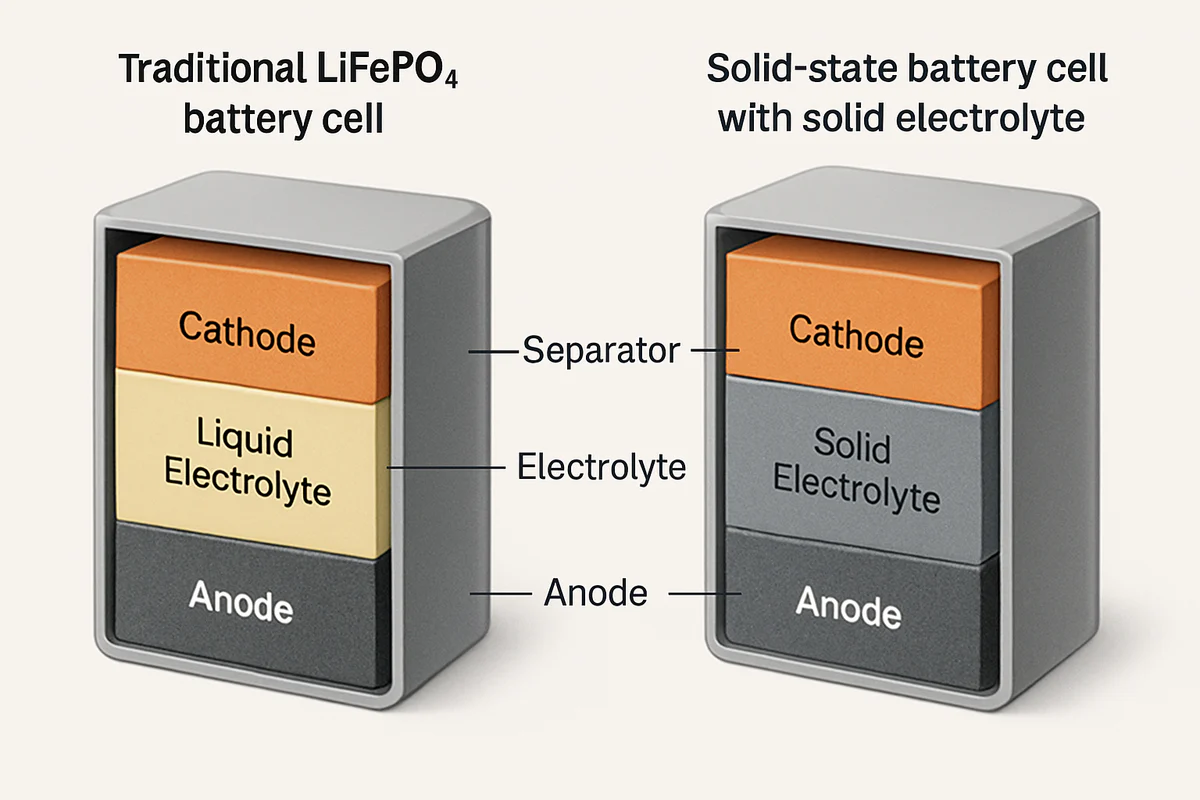
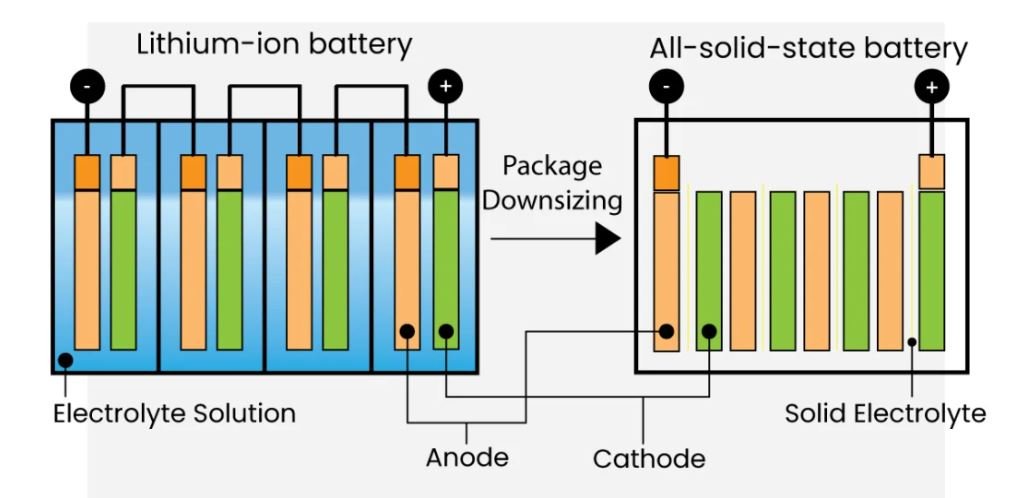
A battery moves energy by pushing charged particles (ions) between two electrodes — a cathode and an anode — through a material called an electrolyte. In every lithium-ion battery on the market today, that electrolyte is a liquid. A flammable liquid.
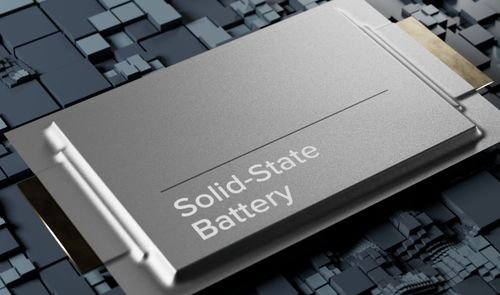
A solid state battery replaces that liquid with a solid material — typically a ceramic, glass, or sulfide compound. That one change has an outsized effect on almost everything the battery does.
Think of it this way: current batteries are essentially sealed containers of liquid with electronics in them. Solid state batteries are more like compressed layers of material — denser, more stable, and without the leak risk.
How Solid State Batteries Differ from Lithium-Ion
| Feature | Lithium-Ion (Current) | Solid State (Emerging) |
|---|---|---|
| Electrolyte | Liquid (flammable) | Solid (ceramic, glass, sulfide) |
| Energy Density | ~250–300 Wh/kg | 400–500+ Wh/kg (projected) |
| Fire Risk | Present (thermal runaway) | Significantly lower |
| Charging Speed | 30–45 min (DC fast) | Potential for 10–15 min |
| Operating Temp Range | Narrow (degrades in heat/cold) | Wider range |
| Lifespan (cycles) | 1,000–2,000 cycles | 3,000–5,000+ (lab results) |
| Manufacturing Cost | Mature, cost-optimised | Still expensive at scale |
| Commercial Availability | Now | 2027–2030 (mass market) |
Why the Solid Electrolyte Changes Everything
The liquid electrolyte in current batteries is the source of most of the engineering headaches.
It can leak. It breaks down over time, especially at high temperatures — which is why batteries degrade faster in hot climates. It is flammable, which is why thermal runaway (the chain reaction that causes EV fires) is possible at all. And it limits how densely you can pack energy into the cell, because the liquid needs space and containment.
Swap that out for a solid, and several things happen at once. You can use a lithium metal anode instead of a graphite one, which stores far more energy. You reduce the risk of dendrite formation — the tiny metallic spikes that grow inside batteries over time and eventually cause shorts. You eliminate most of the fire risk. And you can potentially charge the battery faster because ions move through some solid electrolytes more efficiently at high rates.
Who Is Actually Building These Batteries?
The list is long, and the competitive intensity is real.
Toyota has been the loudest voice on solid state for years. The company claims it will have solid state batteries in a production vehicle by 2027–2028, with a target range of over 1,200 km on a single charge and a 10-minute charge time. Toyota’s all-in bet on solid state is also partly why it moved slowly on BEVs — it was waiting for this technology.
QuantumScape, backed by Volkswagen, is focused on a lithium-metal solid state design for passenger cars. It went public via SPAC in 2020, which came with the usual hype cycle. Progress has been slower than investors hoped, but the company has demonstrated promising performance in independent tests.
Samsung SDI and Panasonic (Tesla‘s cell partner) both have solid state programs running. Samsung has shown lab results with 800 km range and 9-minute charging in prototype cells. Panasonic is targeting 2030 for production-ready solid state cells.
CATL and BYD — the two Chinese battery giants that supply a significant share of global EVs — are both developing what they call “condensed” or “semi-solid” battery chemistries that sit between today’s lithium-ion and true solid state. BYD’s version is expected in some commercial vehicles before 2026.
Solid Power has a partnership with both BMW and Ford and is currently in the engineering validation phase.
The pattern across all of them: lab results look good. Scaling production is the hard part. Making solid electrolyte layers thin enough, consistent enough, and cheap enough to manufacture at millions of cells per year is an unsolved engineering problem — not a science problem.
The Honest Part: What Could Go Wrong
Solid state batteries have been “five years away” for about 15 years.
That is not cynicism — it is the industry’s own track record. The physics are sound. The chemistry works in labs. The manufacturing challenge is genuinely difficult, and nobody has cracked it at scale yet.
Dendrite formation still occurs in some solid electrolyte designs, especially at high charge rates. Solid electrolytes can crack under the mechanical stress of repeated charge/discharge cycles, which expands and contracts the electrodes. And the interface between the solid electrolyte and the electrode material needs to be nearly perfect — any gap or irregularity increases resistance and kills performance.
“Getting a prototype cell to work 100 times in a lab is different from getting a billion cells to work for 300,000 km in the real world.” — General sentiment across battery researchers
None of this makes solid state a dead end. It means the 2027–2028 timelines from Toyota and others should be read carefully. Premium vehicles first, small volumes, high prices. Mass-market availability is more likely in the 2030–2032 window.
What It Would Mean for EVs in Practice
If solid state batteries arrive close to the performance numbers that lab results suggest, the EV value proposition changes significantly.
A car with 500 Wh/kg energy density could pack the same range into a lighter, smaller battery pack — or massively extend range without adding weight. For context, Tesla’s Model Y uses a pack that weighs around 480 kg. A solid state equivalent delivering the same range might weigh 250–300 kg, freeing up payload and improving efficiency.
Charging in under 15 minutes would make long-distance EV travel feel closer to petrol refuelling. That matters everywhere, but it matters more in regions where charging stations are 200 km apart and reliability is inconsistent. The penalty for arriving at a broken charger with a near-empty battery drops significantly if the next working charger only takes 15 minutes.
The lifespan improvement is underrated. A battery that lasts 4,000 cycles instead of 1,500 changes the total cost of ownership math for taxis, ride-hail, and fleet operators — exactly the market that African EV adoption is currently most dependent on.
When Should You Actually Expect This in a Car You Can Buy?
The realistic sequence looks like this:
2026–2028: First solid state or semi-solid state cells in production vehicles. Likely Toyota, possibly a Chinese brand. Limited volumes, premium pricing, probably only available in Japan, China, and select European markets.
2028–2030: Second generation cells with improved manufacturing. Prices start to fall. More automakers launch models. Still not mainstream.
2030–2035: If manufacturing scales as hoped, solid state becomes a credible option in mid-range EVs. This is the window that matters for African markets, where grey-market imports of 3–5-year-old vehicles are the primary entry point anyway.
By the time solid state EVs depreciate into the price range where most Nigerian or Kenyan buyers purchase used imports, the technology will likely be well-established. The question for those markets is charging infrastructure — which won’t be solved by battery chemistry alone.
The Bottom Line
Solid state batteries are not vaporware, and they are not the magic fix that makes EVs perfect overnight. They are a genuine step forward in battery technology that will take another 5–10 years to reach most consumers.
The improvement in energy density, safety, and longevity is real. The manufacturing challenge is also real. The automakers working on this are not spending billions on press releases — they are building pilot production lines and running durability tests because they believe it works.
For anyone buying an EV today: the battery in your car is already excellent. For anyone planning to buy in 2030 and beyond: the battery in that car may be genuinely transformational. That is a reasonable thing to wait for, or not — depending on what your roads, your chargers, and your budget actually need right now.
Frequently Asked Questions
Are solid state batteries available now?
Not in consumer electric vehicles. Solid state batteries are used in some small electronics (hearing aids, medical devices), but no mass-market EV currently uses them. Toyota has announced plans for 2027–2028, with other automakers targeting 2028–2030.
How much longer would a solid state battery EV range be?
Early prototypes suggest 40–70% more range from the same pack size compared to current lithium-ion designs. Toyota’s target is over 1,200 km per charge. Real-world figures will be lower but still a significant improvement.
Are solid state batteries safer than lithium-ion?
Yes, by most measures. The solid electrolyte is not flammable, which eliminates the main cause of thermal runaway and EV fires. There is still a risk of cell damage under extreme conditions, but it is lower than current battery chemistry.
Will solid state batteries charge faster?
Most research targets 10–15 minute fast charging, compared to 30–45 minutes for current DC fast charging. This depends on the electrolyte material and the charger infrastructure, and some designs have shown degradation at very high charge rates.
Which company is closest to a solid state battery EV?
Toyota is the most vocal, with a 2027–2028 target for its first production vehicle using solid state cells. Chinese manufacturers including BYD and CATL are closer to semi-solid state designs, which may appear in commercial vehicles before 2026.
Will solid state batteries work better in hot climates like Nigeria?
The expectation is yes. Solid state chemistries have a wider operating temperature range than liquid lithium-ion, and they degrade more slowly at elevated temperatures. This would be a meaningful advantage in West African conditions where heat is a consistent factor in battery performance and lifespan.
Related EV News
- Electric Motorcycle Nigeria: Best Options for Lagos & Abuja (2026)
- Electric Car vs Petrol: How Much Can You Save in Nigeria?
- How Long Does It Really Take to Charge an Electric Car?
- Electric Vehicles in Africa: The Full 2026 State of the Market
- Chery Plans to Enter Nigeria’s Commercial Vehicle Market After Passenger Car Growth