China has taken a decisive step toward regulated vehicle automation after approving public road testing for Level 3 self-driving cars. The Ministry of Industry and Information Technology confirmed its first permits under a structured framework, allowing select passenger vehicles to operate with conditional autonomy. The move reinforces China’s push to lead smart mobility while keeping regulatory control tight.
China’s First Approval for Level 3 Self-Driving Cars
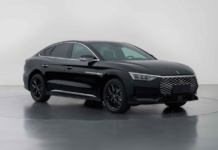
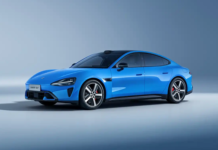
Regulators approved two electric sedans for the initial phase. Changan Automobile received clearance for the Deepal SL03, while Arcfox, an electric brand under BAIC Group, gained approval for the Alpha S. Both vehicles passed technical validation, safety inspections, and system reliability checks before receiving authorization for real-world testing.
What Level 3 Autonomy Means for Drivers
Level 3 self-driving cars handle steering, acceleration, braking, and traffic monitoring within approved conditions. Drivers still carry responsibility and must remain attentive at all times. When the system reaches its operational limits, it requests immediate human control. This setup differs from full autonomy and works only in restricted scenarios defined by regulators.
Operational Limits and Safety Controls
 Authorities imposed strict geographic and speed constraints. The Deepal SL03 operates autonomously only in selected districts of Chongqing with a speed limit of 31 mph. The Arcfox Alpha S runs in designated areas of Beijing and reaches speeds up to 50 mph. Both vehicles activate autonomy solely on single-lane highways or urban expressways during traffic congestion.
XPeng Moves Fast After Policy Approval

XPeng secured testing permits in Guangzhou soon after the announcement and launched routine validation drives. The company continues development of Level 3 self-driving cars with broader functional coverage and software refinement. Executives signaled system upgrades scheduled for early next year as testing data accumulates.
XPeng aims to match Tesla’s Full Self-Driving performance in the Chinese market. Its VLA 2.0 platform targets higher automation and remains scheduled for early 2026 deployment. Internal benchmarks tie performance milestones to long-term product incentives.
Other Automakers Expand Testing
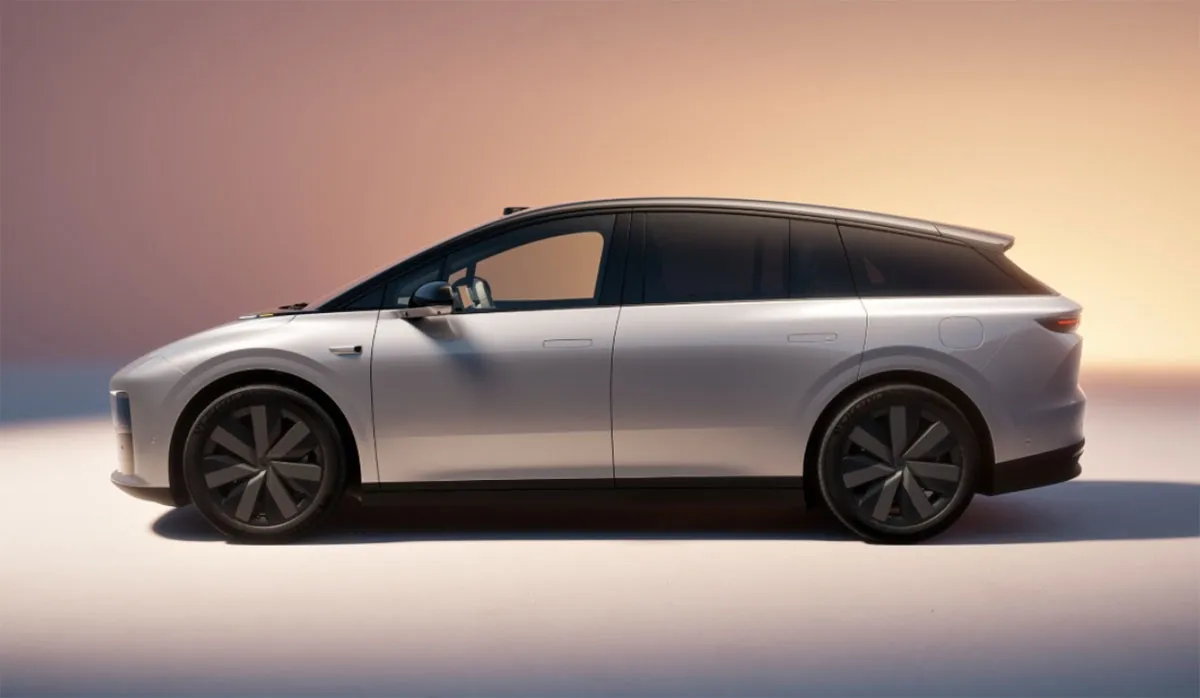 Li Auto received Level 3 testing approval in Beijing and began controlled road operations. Nio obtained a conditional Level 3 license in Shanghai in late 2023 and joined the first national group approved for Level 3 and Level 4 pilot programs in mid-2024. Huawei’s HIMA unit also started internal Level 3 system testing in Shenzhen, adding pressure across the sector.
China continues to set the pace for regulated autonomy with structured approvals for Level 3 self-driving cars. Clear operational rules, controlled testing zones, and active manufacturer participation position the country as a central force in the next phase of intelligent transportation.