- Electric Vehicles
- Nissan
- Nissan N7
Nissan N7
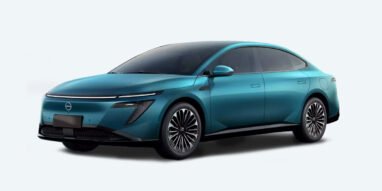
- Drive Type: FWD
- Type: 4 door sedan, 5 seats
- Self Driving: Level 2 driver assistance
- Airbags: Yes
PROS
- Strong value pricing
- Long real-world range for class
- Fast DC charging
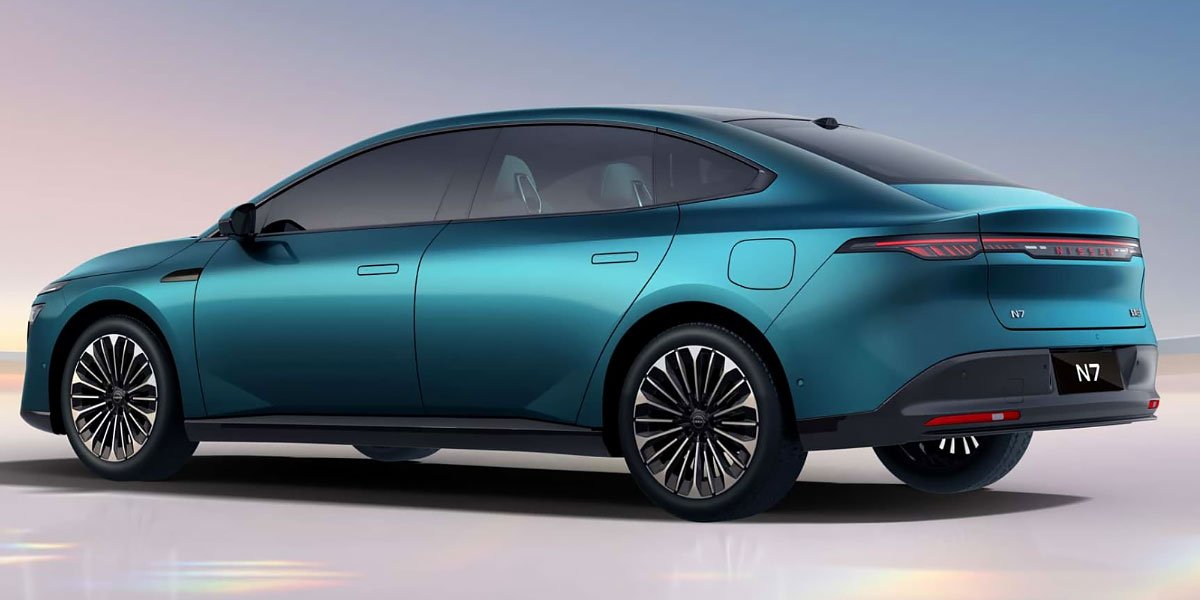
- Low drag design
- Modern interior tech
CONS
- No AWD option
- No official global safety rating
- Limited availability outside China
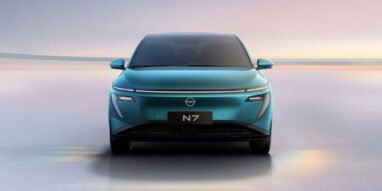
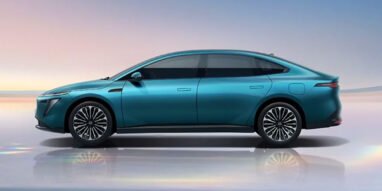
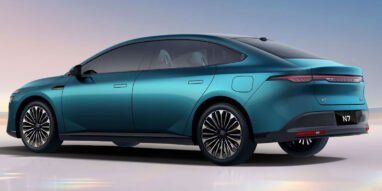
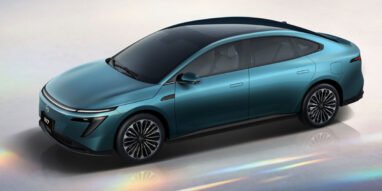
The Nissan N7 is a mid-size electric sedan developed by Nissan through its Dongfeng-Nissan joint venture for the Chinese market. It targets the mainstream EV segment rather than the premium luxury category, competing with high-volume electric sedans from Chinese brands. The N7 uses a four-door sedan body style with a front-wheel-drive configuration, focusing on efficiency, cabin space, and daily usability. The model is important for Nissan because it marks the brand’s latest China-focused EV project built on a newer localized electric platform designed for fast-growing domestic competition.
Nissan N7 Battery, Range, and Charging
The Nissan N7 is expected to launch with multiple battery configurations. Early regulatory filings and preview information point to battery packs around 58 kWh and 73 kWh, although Nissan has not confirmed usable battery capacity figures. Estimated driving range under the Chinese CLTC test cycle ranges from about 510 km to more than 620 km depending on trim level and wheel configuration.
At the time of writing, Nissan has not released official WLTP or EPA range ratings for the N7. Buyers should treat current figures as preliminary China-cycle estimates rather than directly comparable global range numbers.
Charging specifications also remain partly based on pre-launch disclosures. The Nissan N7 is expected to support:
- AC charging: around 7 kW to 11 kW
- DC fast charging: around 140 kW to 180 kW peak
- 10% to 80% DC charging time: roughly 25 to 30 minutes under ideal conditions
Single-motor variants are expected to produce between 215 hp and 268 hp depending on configuration. Most reports indicate the car prioritizes smooth power delivery and efficiency instead of high-performance acceleration.
Nissan N7 Price and Market Position
In China, the Nissan N7 is expected to start between ¥160,000 and ¥220,000 depending on battery size and trim level. That equals roughly $22,000 to $30,000 USD before local taxes or incentives.
The N7 fits buyers who want a spacious electric sedan for commuting, family transport, or ride-hailing use. Rear-seat comfort and low operating costs appear to be major priorities in the vehicle’s design.
Within Nissan’s lineup, the N7 sits above the Nissan Sylphy and below the Nissan Ariya in overall positioning and pricing.
Nissan N7 Competitors
The Nissan N7 enters one of the most competitive EV segments in China. Main rivals include:
The closest direct comparison is the BYD Seal because both models target similar buyers with comparable pricing, range targets, and sedan-focused layouts.
Compared with the BYD Seal, the Nissan N7 focuses more on comfort-oriented tuning and brand familiarity, while BYD pushes harder on battery integration and software ecosystems. The Xiaomi SU7 targets buyers looking for stronger performance and deeper smart-device integration.
Interior and Technology
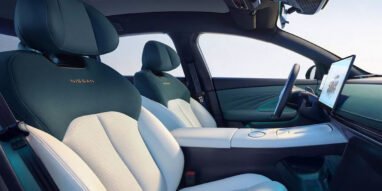
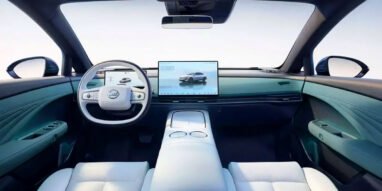
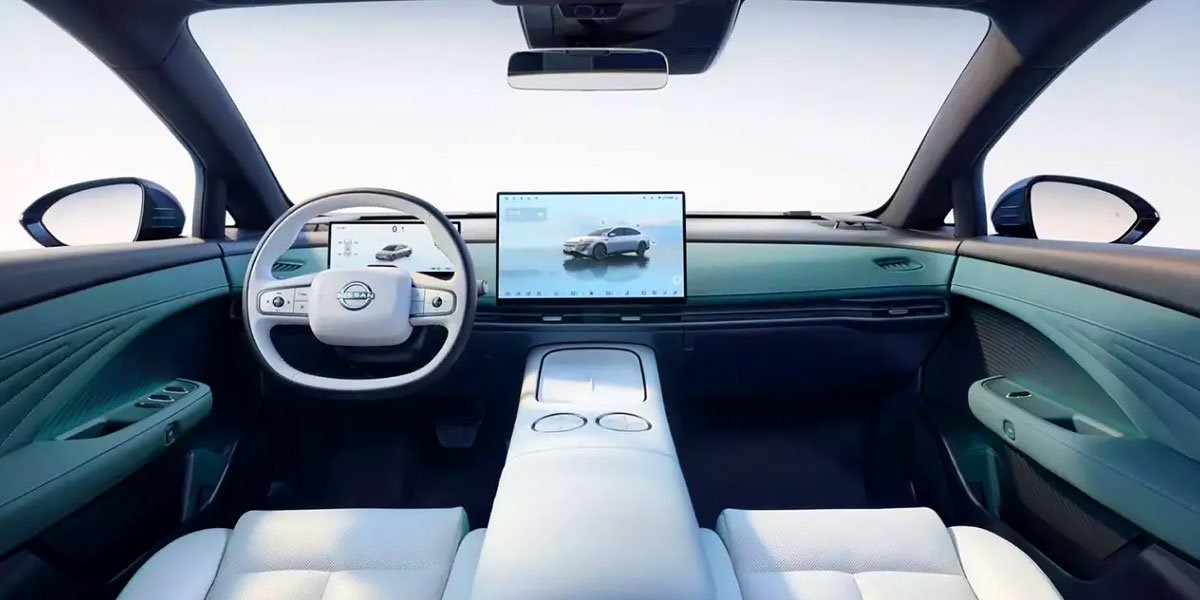
The Nissan N7 uses a modern minimalist interior layout with a large central touchscreen, digital driver display, and updated software architecture. Early preview units also show advanced driver-assistance hardware including radar sensors, multiple cameras, and highway driving assist functions.
The cabin appears optimized for rear passenger comfort, which aligns with growing demand for family-friendly EV sedans and ride-hailing vehicles in China. Higher trims are expected to include upgraded materials, larger infotainment displays, and expanded connectivity features.
Nissan N7 Outlook
The Nissan N7 represents an important step in Nissan’s electric vehicle strategy for China. Instead of targeting the premium luxury market, the sedan focuses on the high-volume mainstream EV segment where pricing, charging speed, range, and software experience matter most.
Its success depends on how well Nissan competes against rapidly advancing Chinese EV brands on technology, efficiency, and value. In terms of price and positioning, the Nissan N7 enters the market as a practical electric sedan aimed at buyers who prioritize range, comfort, and everyday usability over outright performance.
Nissan N7 Images




Full Electric Vehicle Specifications
MODEL
| Available Trims / Variants |
510 Air 510 Pro 510 Max 625 Pro 625 Max |
LAUNCH
| Reveal Date | April 2025 |
| Availability Status | On sale in China |
| Country of origin | China (Dongfeng Nissan JV) |
| Base Price (USD) | 17,000 to 21,250 |
BATTERY
| Battery Capacity |
58 kWh 73 kWh |
| Battery Chemistry | LFP lithium iron phosphate |
| Range (WLTP/CLTC/EPA) | WLTP 260 to 320 miles |
| Energy Consumption | 13.3 kWh per 100 km |
| Regen Braking (Max kW) | Standard regenerative braking |
| Heat Pump | |
| AC Charging (Max kW) |
Up to 7 kW 0 to 100 percent in approx. 8 to 10 hours |
| DC Charging (Max kW) |
Up to 3C fast charging 10 to 80 percent in approx. 19 minutes |
| Additional Notes | V2L support on selected trims |
PERFORMANCE
| Power Output (kW / hp) |
215 hp FWD 268 hp FWD (higher trims) |
| Torque (Nm) | 305 Nm |
| 0–100 km/h / 0-60 mph (seconds) The acceleration numbers are an easy way to compare car performance. We list either time from 0 to 100 km/h or time from 0 to 60mph, depending on which number(s) the manufacturers provide. The lower the acceleration time, the higher performance the car is. | 6.9 seconds |
| Top Speed (km/h / mph) | 160 km/h |
BODY
| Body Style | 4 door sedan, 5 seats |
| Platform / Architecture | Dongfeng Nissan EV platform |
| Dimensions (L×W×H mm) |
Length 4930 mm Width 1895 mm Height approx. 1487 mm |
| Drag Coefficient (Cd) | 0.208 Cd |
| Wheelbase (mm) | 2915 mm |
| Kerb Weight (kg) | 1837 to 1962 kg |
| Suspension (Front / Rear) | Independent front and rear |
| Wheel Size (inches) | 17 inch or 19 inch |
| Trunk/Boot Capacity (L) | 484 to 504 liters |
| Additional Notes | Aerodynamic fastback design |
SAFETY
| Airbags (count) | Front, side, curtain airbags |
| Driver Assistance (ADAS) |
Adaptive cruise control Lane keep assist Auto emergency braking |
| Autonomous Driving Level | Level 2 driver assistance |
COMFORT
| Seating Capacity |
Five seats Massage function on top trims |
| Roof Type | Panoramic glass roof on select trims |
| Bluetooth / Wi-Fi |
Apple CarPlay Android Auto Wireless charging |
| Parking Aids |
360 camera Auto parking on higher trims |
| Additional Notes |
Ambient lighting In-cabin fridge on top trims |
DISPLAYS
| Centre Screen (inches) | 15.6 inch touchscreen |
| Driver's Display (inches) | 10.25 inch digital cluster |
| Head-Up Display (HUD) | Available on higher trims |
| Additional Notes | Nissan OS with voice assistant |
LIGHTING
INFOTAINMENT & AUDIO
TECHNOLOGY
OWNERSHIP
Note
| Additional Notes | China-focused EV sedan with export plans |
User Reviews
Disclaimer Note
Specifications sourced from manufacturer data and may reflect WLTP, CLTC, or EPA test conditions. Import prices in your local are estimates based on grey-market landing costs and exclude duties, clearing fees, and local taxes. Figures are subject to change without notice. Always verify with your local importer before purchase. We can not guarantee that the information on this page is 100% correct