- Home
- Electric Vehicles
- POLESTAR
- Polestar 4 SUV
Polestar 4 SUV

- Drive Type: RWD, AWD
- Body Type: SUV/estate
- Self Driving:
- Airbags: Yes
PROS
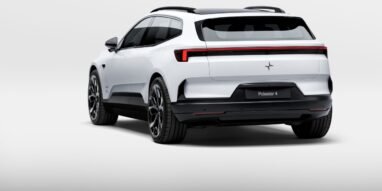
- Camera-based rear view replacing the rear window — a genuine segment differentiator
- 310-mile EPA range on the RWD trim, competitive for a mid-size premium EV
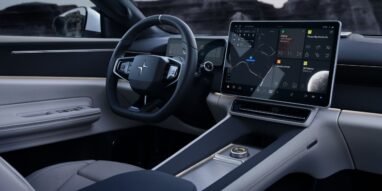
- Minimalist, tech-forward cabin with strong standard feature content for the price
CONS
- 200 kW DC peak charging and a 30-minute 10–80% claim trail 800V rivals like the Zeekr 001
- No native NACS port in North America; Tesla Supercharger access requires an adapter
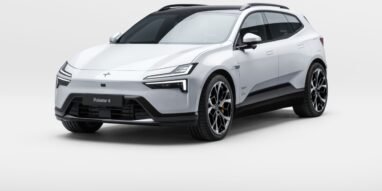
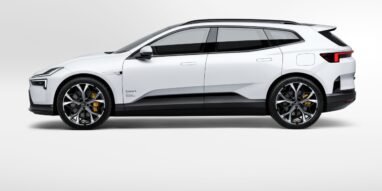
The Polestar 4 SUV starts at $56,400 for 2026, positioning this electric SUV-coupe as Polestar’s mid-tier offering between the smaller Polestar 2 and the larger Polestar 3. Built on Geely’s Sustainable Experience Architecture (SEA) platform, the Polestar 4 SUV is notable for one specific engineering choice: it has no rear window. A roof-mounted camera feeds a digital rearview mirror instead, a first for the brand and still rare across the segment.
The body style comes in two drivetrain configurations. The single-motor version sends power to the rear wheels (RWD), while the dual-motor version adds all-wheel drive (AWD). Both share the same 100 kWh battery pack, though Polestar hasn’t published a separate usable-capacity figure for the current US-spec car, so that number should be treated as gross capacity until officially confirmed.
Polestar 4 SUV Range: EPA vs. WLTP Figures
Range figures vary considerably depending on which testing cycle is being quoted, and that distinction matters for anyone weighing the Polestar 4 SUV against its real-world range.
Under the EPA cycle used in the US, the RWD single-motor trim reaches 310 miles, the AWD dual-motor trim reaches 280 miles, and the AWD Performance Pack drops to 255 miles due to larger wheels and added weight. Under the WLTP cycle used in European markets, Polestar has quoted figures as high as 385 miles (RWD) and 367 miles (AWD). These WLTP numbers should not be compared directly against the EPA figures above — they come from a more permissive test protocol and will always read higher for the same car.
Polestar 4 SUV Charging: AC and DC Speeds
Charging infrastructure is where the Polestar 4 SUV starts to look less competitive against newer 800-volt rivals. The car uses an 11 kW onboard AC charger in US-spec trims (European-market cars may ship with 22 kW AC, so confirm this for your region before buying). On DC fast charging, the Polestar 4 peaks at 200 kW, and Polestar claims a 10–80% charge in roughly 30 minutes. Independent test drives have reported longer real-world charging times under imperfect conditions, so treat the 30-minute figure as a manufacturer benchmark rather than a guarantee. For official specifications, see Polestar’s own charging data, and for independently verified EPA range numbers, fueleconomy.gov is the authoritative government source.
Polestar 4 SUV Price by Trim and Region
The 2026 Polestar 4 SUV breaks down to $56,400 for the RWD single-motor trim and $62,900 for the AWD dual-motor trim, both figures before destination fees. European launch pricing began around £59,990 for the single-motor equivalent, though that figure predates the 2026 US price cut and may no longer reflect current UK or EU pricing — confirm locally before citing it.
This car realistically suits design-focused buyers who want a distinctive daily driver and are comfortable trading rear visibility for styling and cabin technology. It’s a harder sell for families prioritizing practicality over design statement.
How the Polestar 4 SUV Fits the Market
Inside Polestar’s own lineup, the Polestar 4 SUV sits between the smaller Polestar 2 and the larger, pricier Polestar 3 — a similar internal spacing to how we compared the Ford Explorer Electric against the Mustang Mach-E within Ford’s own EV range. Outside the brand, its closest rivals are the Tesla Model Y and the Audi Q4 e-tron Sportback, both aimed at similar buyers at similar price points. For a direct spec-and-price matchup, the Tesla Model Y Long Range AWD is the closest comparison point, similar to how our Hyundai IONIQ 9 trim comparison approached cross-shopping within a single price bracket.
Polestar 4 SUV Photos
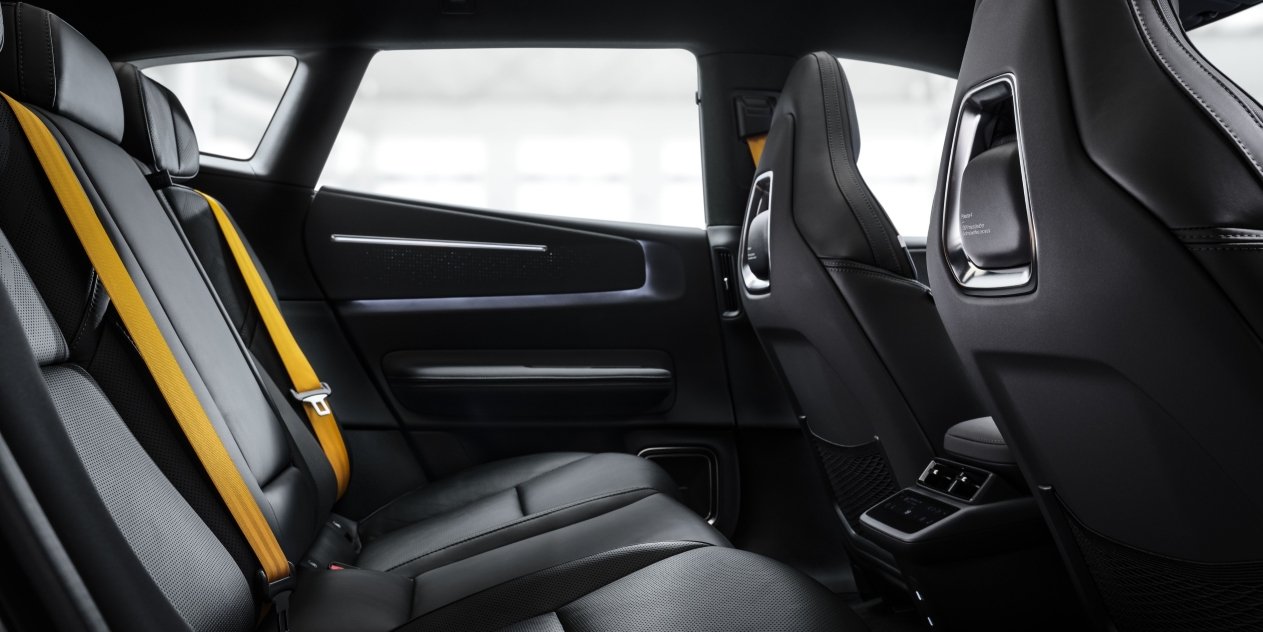
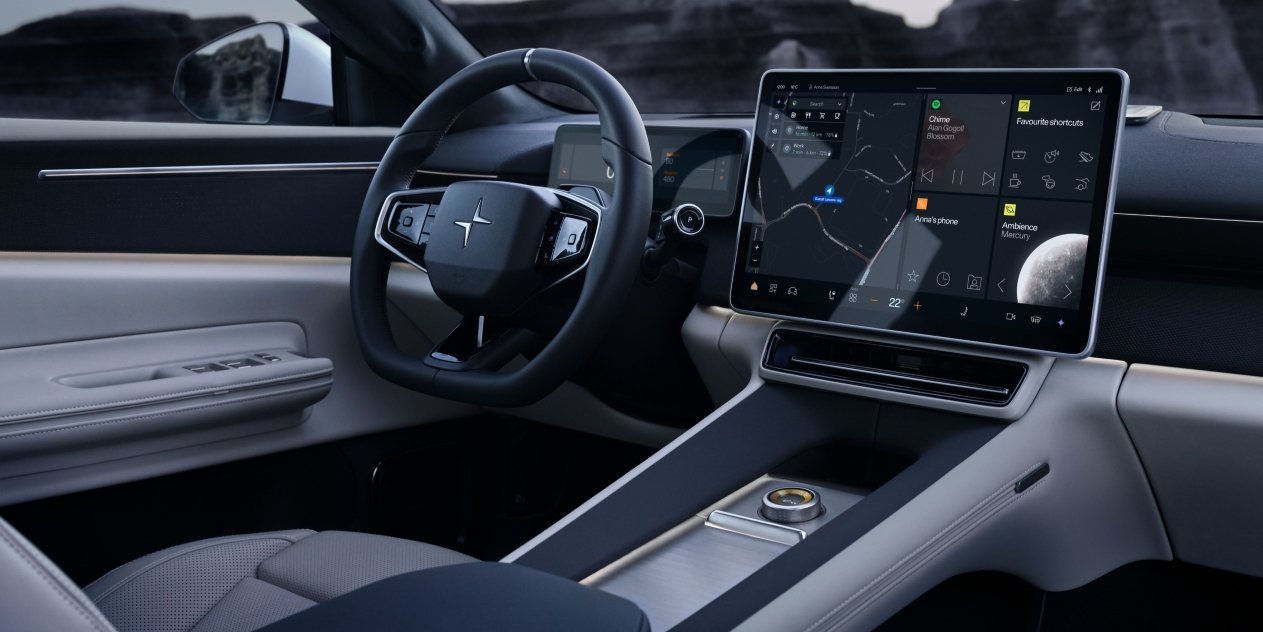
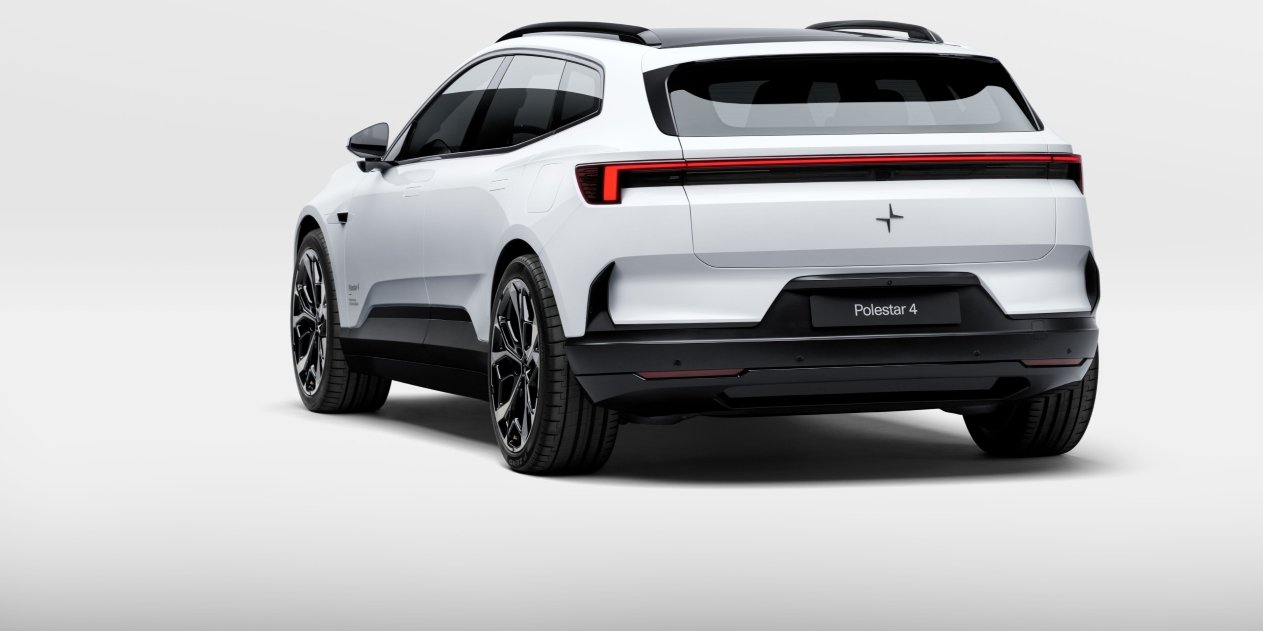
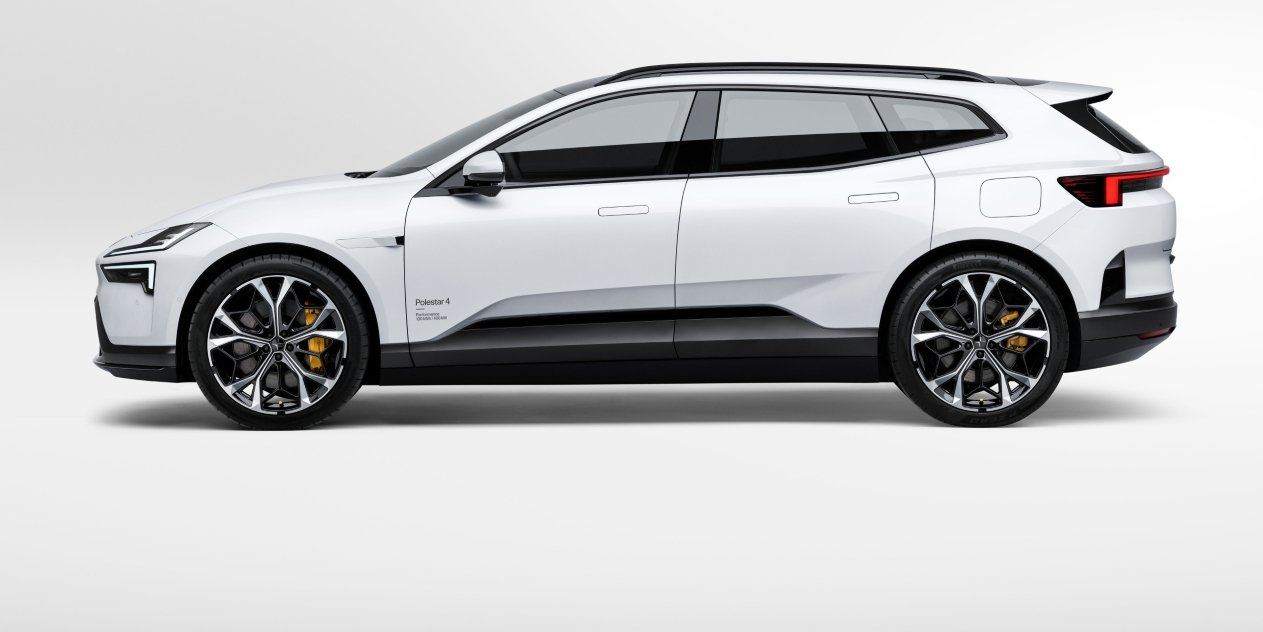
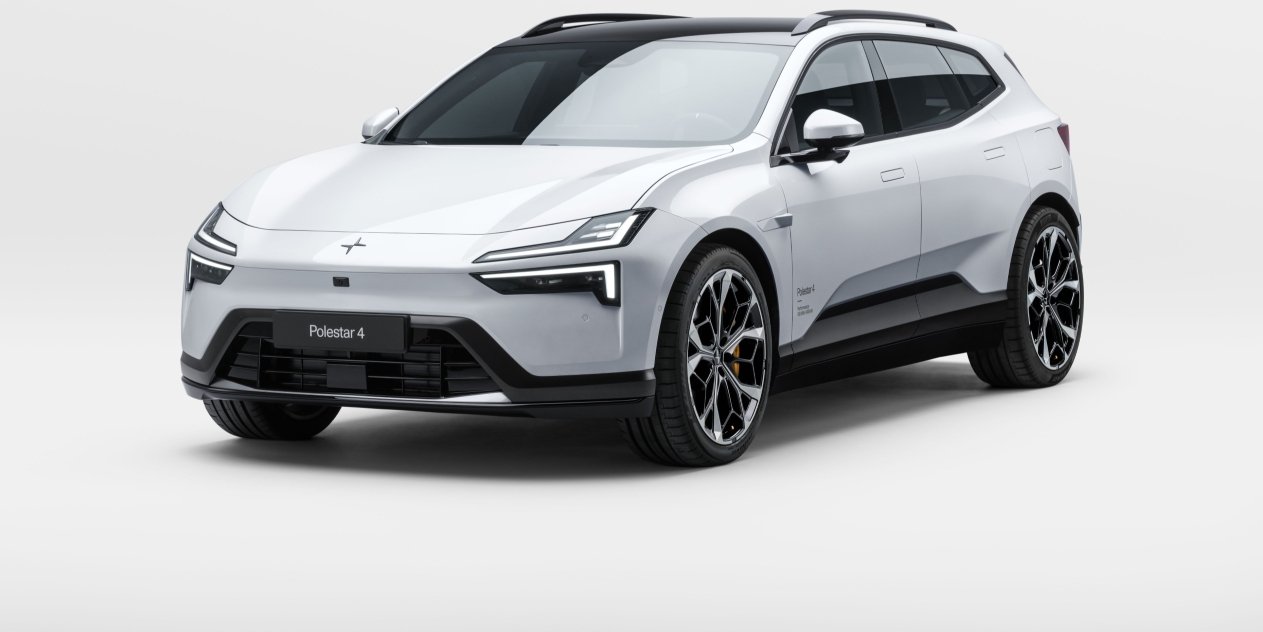
Full Electric Vehicle Specifications
MODEL
| Full Model Name | Polestar 4 SUV |
| Segment / Class | Compact executive SUV / estate-crossover |
| Available Trims / Variants |
Rear motor (RWD) Dual motor (AWD) Dual motor + Performance pack |
| Powertrain Options |
RWD single motor AWD dual motor |
PRICE & AVAILABILITY
| Base Price (USD) |
£54,750 (RWD) £60,750 (AWD) £68,250 (AWD + Performance pack) — UK only |
| Availability Status | On sale in the UK; first deliveries Q4 2026 |
| Markets Available | UK confirmed; wider European rollout expected but not itemized in current coverage |
| Brand / Manufacturer | Polestar (Geely-owned) |
BATTERY & CHARGING
| Battery Capacity | 100 kWh (nominal) |
| Range (WLTP/CLTC/EPA) |
(WLTP): Up to 391 miles (RWD) up to 373 miles (AWD) |
| DC Charging (Max kW) | Up to 200 kW |
| AC Charging (Max kW) | Up to 11 kW (UK spec) |
| Battery Warranty | standard EV warranty (8 years/100,000 miles) |
PERFORMANCE
| Power Output (kW / hp) |
272 hp / 200 kW (RWD) 544 hp / 400 kW (AWD) |
| 0–100 km/h / 0-60 mph (seconds) The acceleration numbers are an easy way to compare car performance. We list either time from 0 to 100 km/h or time from 0 to 60mph, depending on which number(s) the manufacturers provide. The lower the acceleration time, the higher performance the car is. |
7.3 sec (RWD) 3.9 sec (AWD) |
| Motor Configuration |
Rear motor (RWD) dual motor front + rear (AWD) |
| Torque (Nm) |
343 Nm (RWD) 686 Nm (AWD) |
BODY & DIMENSIONS
| Trunk/Boot Capacity (L) | 530 L to seatbacks, 655 L to roofline, 1,665 L with rear seats folded (vs. 1,536 L folded in the coupe) |
| Body Style | SUV/estate — straighter roofline, upright tailgate, replaces the coupe's fastback rear |
SAFETY & DRIVER ASSISTANCE
COMFORT & SEATING
| Seating Capacity | 5 |
DISPLAYS & CONNECTIVITY
| Centre Screen (inches) | 15.4-inch portrait touchscreen |
TECHNOLOGY
| Vehicle-to-Load (V2L) | New feature, up to 3.3 kW via a separately available adapter, arriving via future software update |
ADDITIONAL SPECS
| Headlight Type (LED/Matrix/Laser) | "Twin blade" LED headlights, consistent with coupe design language |
Note
| Data Source | Motor Trader, Business Motoring, Carscoops, Auto Express, Irish Times, WardsAuto, Wikipedia — all September 2026 launch coverage |
| Last Updated | September 2026 |
User Reviews
Disclaimer Note
Specifications sourced from manufacturer data and may reflect WLTP, CLTC, or EPA test conditions. Import prices in your local are estimates based on grey-market landing costs and exclude duties, clearing fees, and local taxes. Figures are subject to change without notice. Always verify with your local importer before purchase. We can not guarantee that the information on this page is 100% correct