South African motorists are paying R3 more per litre of petrol and over R7 more per litre of diesel in April, even after the government cut the fuel levy by R3. The spike follows the US and Israel’s strikes on Iran and the subsequent disruption to global energy supply. Against that backdrop, interest in electric cars in South Africa is rising sharply — and the case for switching may be stronger than many drivers realise.
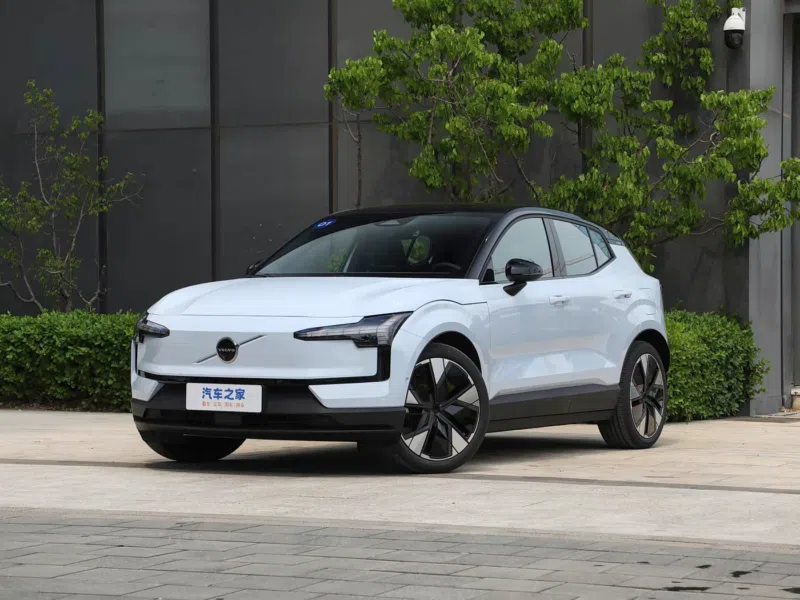
Volvo Car South Africa, whose EX30 is the highest-selling EV in the country, says enquiries have surged over the past month. But Grant Locke, the brand’s Managing Director, argues that fuel costs alone don’t capture the full picture.
“Fuel price increases may start the conversation, but they are not the full story,” Locke said. “When you look at the total cost of ownership, the flexibility, and the advancements in battery technology, electric vehicles begin to make a compelling case on their own.”
Charging at Home vs Filling Up: What South Africans Actually Pay
The most direct saving is at the point of energy. Charging 50kWh via a DC fast charger at a public station typically costs around R400 and delivers roughly 250–300km of range. The same charge at home during off-peak hours comes to closer to R175, depending on your municipality’s tariff.
For a typical commuter covering 60km per weekday and charging at home, monthly energy costs work out to under R1,000. Based on average consumption of 16kWh per 100km at roughly R3.50 per kWh, the real figure is closer to R750 a month.
Homeowners with solar panels can push that figure lower still — or eliminate the cost almost entirely during peak generation hours.
Servicing Costs Are Lower Too
EVs have fewer moving parts than petrol or diesel vehicles, which reduces maintenance costs. Service intervals typically extend to every two years, and the bills tend to be lower than those for internal combustion engine cars. Over a vehicle’s lifespan, that gap adds up.
Battery Longevity Is Less of a Concern Than It Used to Be
Battery anxiety remains one of the biggest hesitations among buyers. Most manufacturers now back their EV batteries with warranties of up to eight years or 160,000km. Keeping the state of charge between 20% and 80% — rather than running it flat or charging to 100% regularly — can extend battery life further.
For anyone considering a pre-owned EV, manufacturers now offer battery health certificates that show how much capacity remains, giving buyers visibility before they commit.
The Upfront Cost Is Still a Hurdle — But the Long-Term Math Is Shifting
The sticker price of an electric car remains higher than a comparable petrol model for most South African buyers. That gap hasn’t closed yet. But lower running costs, cheaper servicing, and rising fuel prices are compressing the break-even period.
South Africa is also expanding its public charging network, with policy support increasingly aligned toward electrification — meaning the infrastructure argument against EVs is weaker today than it was two years ago.
“As more South Africans begin to understand these dynamics, the shift to electric becomes less about reacting to fuel prices and more about making a smarter long-term mobility choice,” Locke said.
Related EV News
- Why Tesla Chose Morocco Over South Africa for Its First African Dealership
- Volkswagen Halts U.S. ID.4 Production in April — Here’s What Happens Next
- Volvo South Africa: Why South Africans Are Switching to EVs Beyond Fuel Prices
- Best EV for Nigerian Roads: Top 5 Picks That Can Handle Our Streets
- Electric cars in Nigeria 2026: prices, models & buyer’s guide