Tesla Semi moves closer to large scale production after years of delays. The electric Class 8 truck first appeared in 2017. Nearly a decade later, final specifications and pricing details are clearer. Early deployments focused on limited fleet testing. Now the company signals broader manufacturing plans.
Charging speed stands out as a core advantage. The Long Range version of the Tesla Semi supports Tesla’s Megawatt Charging System. Peak charging power reaches 1.2 MW. Both variants reach roughly 60 percent charge in about 30 minutes. This matters for freight operators. Downtime directly affects revenue.
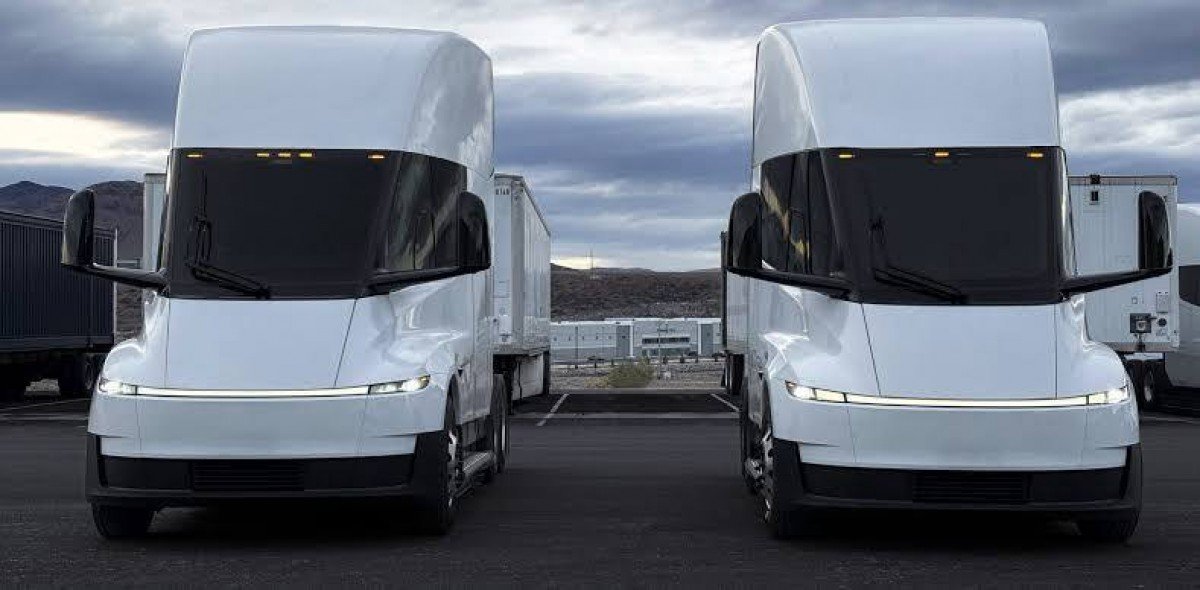
Range figures target long haul logistics. Tesla offers two configurations:
Standard Range
Approximate range: 325 miles under full load
Long Range
Approximate range: 500 miles under full load
Maximum gross combined weight reaches about 37,195 kg. These figures place the Semi in direct competition with diesel Class 8 trucks.
Battery capacity remains undisclosed. Energy consumption figures offer insight. Reported efficiency:
1.7 kWh per mile
1.06 kWh per kilometer
Estimated battery sizes based on range:
Standard Range
Approximate pack size: 550 kWh
Long Range
Approximate pack size: 875 kWh
These estimates align with heavy duty energy requirements.

Pricing shifted significantly from early projections. Initial guidance in 2017 suggested:
Standard Range
$150,000
Long Range
$180,000
Recent reports indicate:
Standard Range
$250,000
Long Range
$290,000
Taxes and additional costs excluded.
Operating economics remain Tesla’s primary argument. Electric drivetrains reduce:
Fuel expenses
Mechanical complexity
Maintenance frequency
Diesel fleets face volatility in fuel costs. Electric fleets shift cost structure toward electricity and charging infrastructure.
Production strategy centers on Nevada. Tesla built a dedicated Semi facility in Sparks, Nevada. Construction accelerated through 2024 and 2025. Target capacity:
50,000 trucks per year at full scale
This volume aims to support commercial fleet adoption.
Competitive landscape continues to evolve. Key rivals include:
- Volvo electric trucks
- Freightliner eCascadia
- BYD heavy duty EV platforms
Market adoption depends on:
- Charging infrastructure expansion
- Fleet cost modeling
- Real world reliability data
Tesla Semi transitions from concept to commercial asset. Charging performance, range capability, and operating cost potential define its appeal. Pricing increases raise entry barriers. Fleet operators will evaluate long term total cost of ownership. Deployment scale will determine real market impact.
Related EV
- 2027 Toyota Highlander EV: Range, Specs, Charging
- Mazda 6e UK Launch: Stylish EV with 348-Mile Range
- Mercedes-Benz CLA 250: 71 kWh Battery, 418-Mile Range
- 2027 Toyota Highlander EV Confirmed as Three-Row BEV
- BYD ATTO 3 EVO: Bigger Battery, 449PS AWD, 800V Charge