- Electric Vehicles
- VOLKSWAGEN
- Volkswagen ID. Buzz Cargo
Volkswagen ID. Buzz Cargo
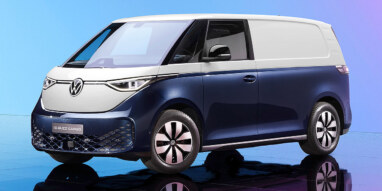


- Drive Type: RWD
- Body Type: 4/5 door Van, 2/3 seats
- Self Driving: No
- Airbags: Yes
The Volkswagen ID. Buzz Cargo is the all‑electric light‑commercial version of the Volkswagen ID. Buzz, built by Volkswagen Commercial Vehicles under the Volkswagen Group. It slots into the mid‑range segment of compact electric vans, sitting above smaller city vans like the Caddy and beneath larger electric box‑body trucks in the brand’s lineup.
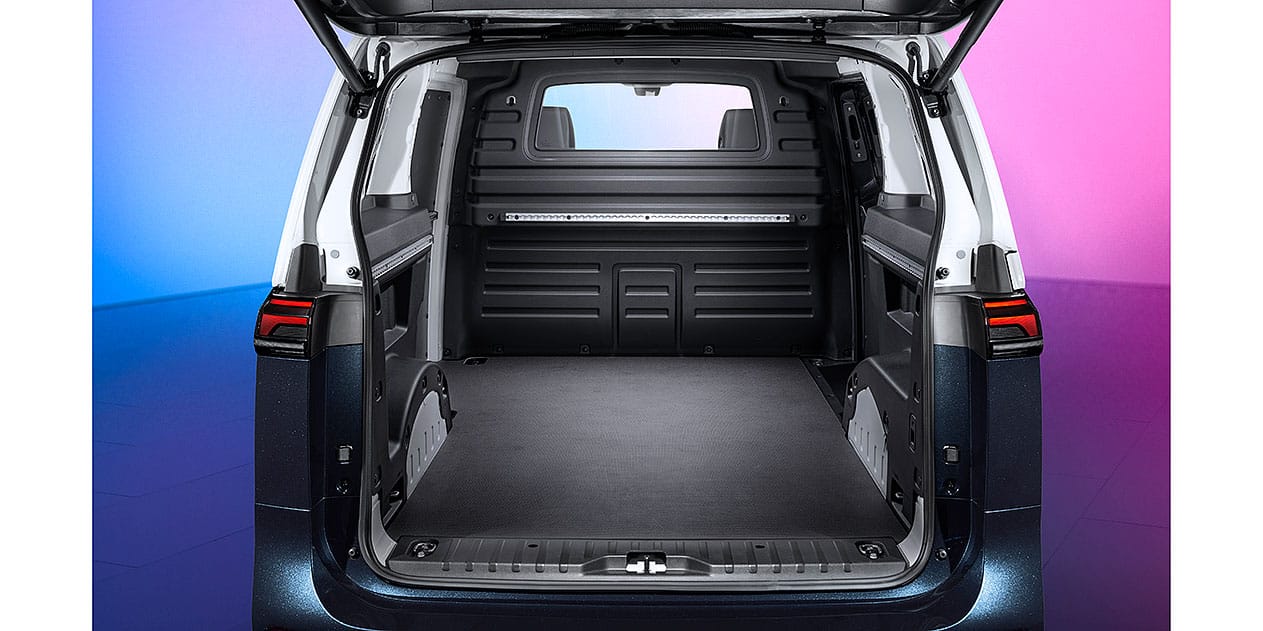
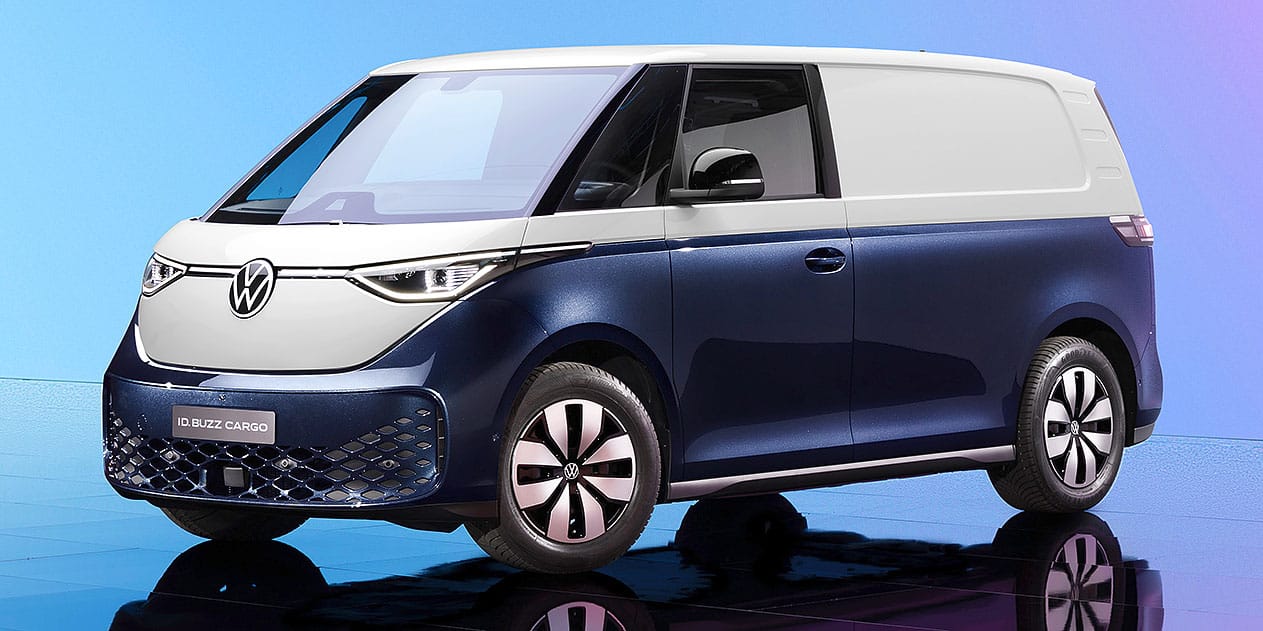
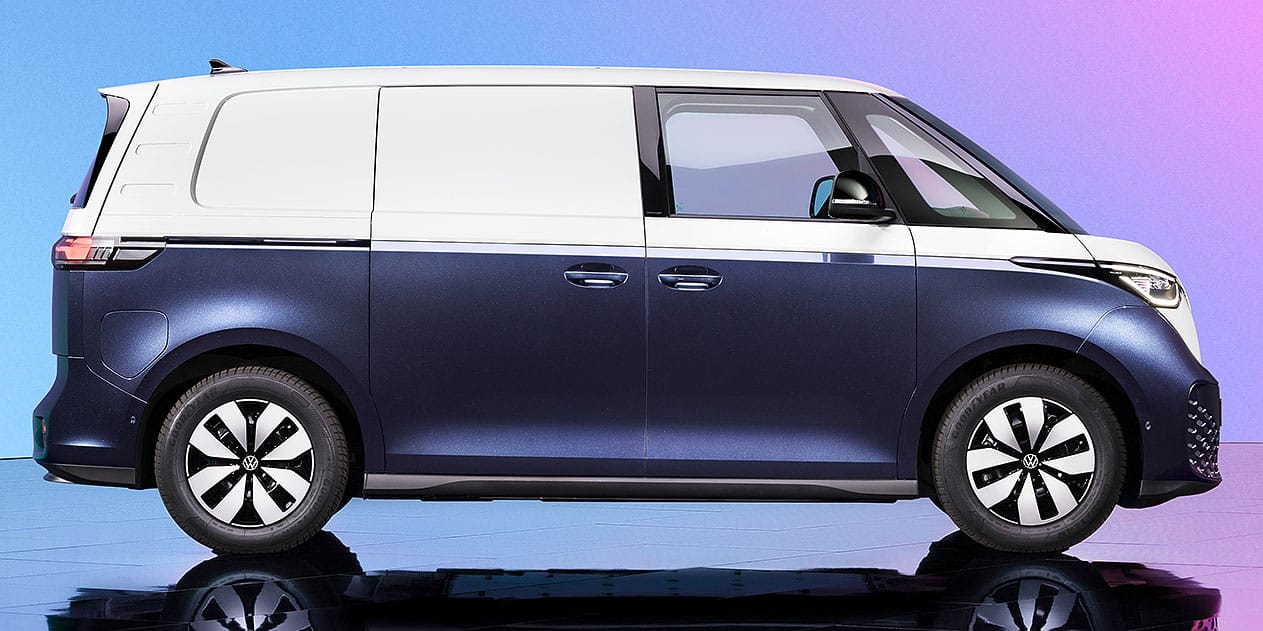
The ID. Buzz Cargo is a two‑seater, panel‑van variant of the ID. Buzz people‑mover, with a fully enclosed rear cargo area and no side windows. It’s classified as a compact electric van (light commercial vehicle) and uses a rear‑mounted electric motor, giving it a rear‑wheel‑drive (RWD) layout. What makes it stand out is that it’s among the first mainstream electric compact vans built on Volkswagen’s scalable MEB architecture, sharing its skateboard platform with the ID.3 and ID.4 passenger cars.
Powertrain, range & charging
The ID. Buzz Cargo is offered with a 77 kWh usable (82 kWh gross) lithium‑ion battery pack, which supports a WLTP‑rated driving range of about 402–425 km (roughly 250–265 miles), depending on trim level and optional energy‑saving modes such as TEH or TEL. The powertrain uses a permanent‑magnet synchronous electric motor located at the rear axle, producing between 150–210 kW (about 204–286 PS) and around 310 Nm of torque, paired with a single‑speed gearbox and a top speed limited to approximately 145 km/h.
For everyday charging, on‑board AC capability reaches up to 11 kW, allowing a full 0–100% charge in roughly 7.5 hours on a suitable wallbox or public AC charger. Over DC fast‑charging, the battery can accept up to about 170 kW, enabling an approximate 5–80% charge in around 30 minutes under ideal conditions. While these figures are based on current published technical data, any future variants or extended‑range trims should be treated as unconfirmed if drawn from previews or leaks rather than verified production specs.
Price, who it’s for & market context
In the UK market, the ID. Buzz Cargo starts around £38,125 excluding VAT for the entry‑level Commerce‑grade panel‑van version, landing it in the mid‑priced bracket within the compact electric‑van segment once VAT and typical fleet discounts are considered. This places it clearly above budget city vans and smaller EVs while avoiding the higher price band of full‑size electric box‑trucks.
The ID. Buzz Cargo is best suited for small‑ to medium‑sized delivery fleets, local tradespeople, and businesses that need frequent urban runs with the benefit of low‑emission compliance and reduced noise in city centers. Within the Volkswagen ecosystem, it sits between more compact electric vans such as the ID. Caddy (if or when an ID‑branded electric Caddy arrives) and heavier electric trucks like the Volkswagen e‑Ducato, while sharing the same MEB platform and core electric architecture as the ID.3 and ID.4 passenger cars.
Externally, it competes with other compact electric vans that target similar payload and urban‑delivery use cases, such as the Mercedes‑Benz eSprinter City and the electric Ford Transit Custom. These rivals occupy a similar price and segment space, offering comparable cargo dimensions and electric‑driven range for city‑based operations.
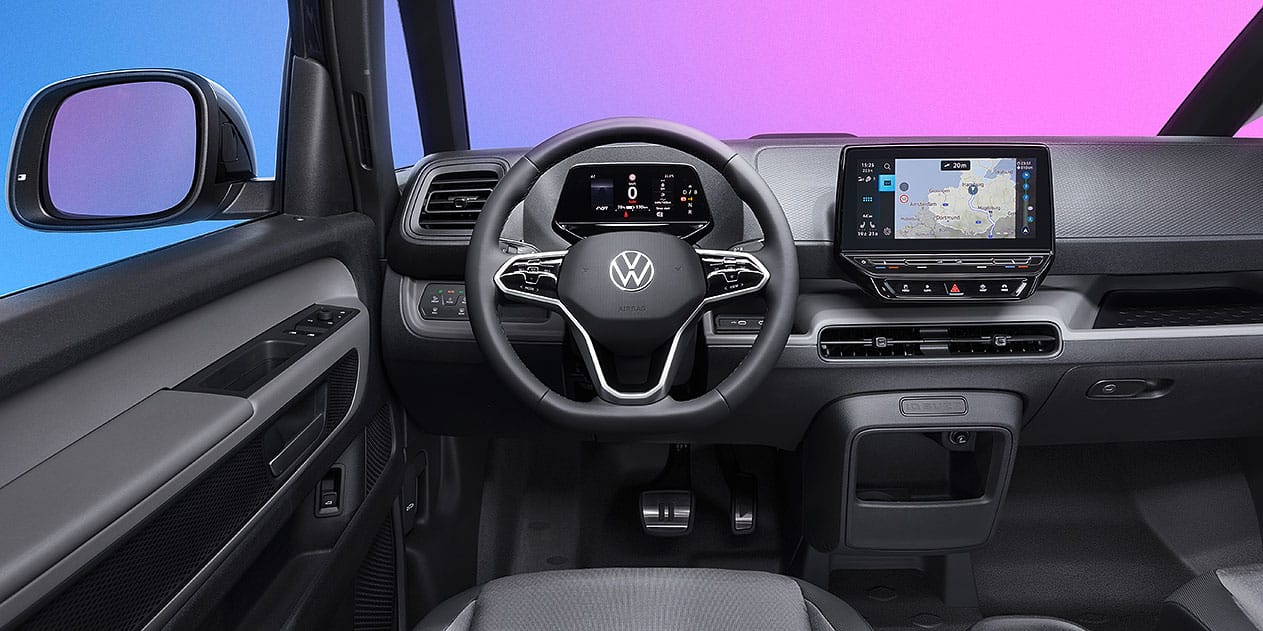
Volkswagen ID. Buzz Cargo Images
Full Electric Vehicle Specifications
MODEL
LAUNCH
| Reveal Date | 2022, March 09 |
| Availability Status | Available to order. Released 2022, May |
| Base Price (USD) | € 54,430 |
BATTERY
| Battery Capacity | 77 kWh usable, 82 kWh total |
| Battery Chemistry | Li-ion |
| Range (WLTP/CLTC/EPA) | 263 mi WLTP |
| Energy Consumption | 328 Wh/mi WLTP |
| Regen Braking (Max kW) | Yes, via driving modes and driving profiles |
| Heat Pump | |
| AC Charging (Max kW) | Type 2 11 kW |
| DC Charging (Max kW) | CCS 170 kW, 5-80% in 30 min |
| Additional Notes |
Plug & Charge Bidirectional charging (Vehicle-to-Home) |
PERFORMANCE
| Power Output (kW / hp) | RWD 201 hp (150 kW) |
| Torque (Nm) | 236 lb-ft (320 Nm) |
| 0–100 km/h / 0-60 mph (seconds) The acceleration numbers are an easy way to compare car performance. We list either time from 0 to 100 km/h or time from 0 to 60mph, depending on which number(s) the manufacturers provide. The lower the acceleration time, the higher performance the car is. | 10.2 sec 0-62 mph |
| Top Speed (km/h / mph) | 90 mph (145 km/h) |
BODY
| Body Style | 4/5 door Van, 2/3 seats |
| Platform / Architecture | MEB |
| Dimensions (L×W×H mm) | 185.5 x 78.1 x 76.3 in (4712 x 1985 x 1938 mm) |
| Drag Coefficient (Cd) | 0.29 Cd |
| Wheelbase (mm) | 117.6 in (2988 mm) |
| Kerb Weight (kg) | EU: 5185 lb unladen, 6614 lb gross |
| Suspension (Front / Rear) | Independent front and rear suspension, coil springs |
| Wheel Size (inches) | R18, R19, R20, R21 |
| Trunk/Boot Capacity (L) | EU: 137.7 ft³ |
| Frunk/Bonnet Capacity (L) | No |
| Towing Capacity (kg) | EU: 1653 lb unbraked, 2205 lb braked |
| Additional Notes | Optional second sliding door on the passenger side |
SAFETY
| Airbags (count) | Front, side, center, head airbag system |
| Driver Assistance (ADAS) | Front radar, 2 rear corner radars, front & rear cameras. Front Assist Autonomous Emergency Braking with pedestrian and cyclist monitoring, Lane Assist, Dynamic Road Sign Display, Side Assist, Travel Assist, Emergency Assist, Park Assist, Light Assist, Area View. |
COMFORT
| Seating Capacity | Heated front seats |
| Roof Type | No glass roof |
| Bluetooth / Wi-Fi | Wireless Android Auto and Apple CarPlay |
| Parking Aids | 10 front and rear sensors, 360 camera, reversing camera |
DISPLAYS
| Centre Screen (inches) | 10" or 12" touchscreen |
| Driver's Display (inches) | 10" |
| Head-Up Display (HUD) | No |
LIGHTING
INFOTAINMENT & AUDIO
TECHNOLOGY
OWNERSHIP
Note
User Reviews
Disclaimer Note
Specifications sourced from manufacturer data and may reflect WLTP, CLTC, or EPA test conditions. Import prices in your local are estimates based on grey-market landing costs and exclude duties, clearing fees, and local taxes. Figures are subject to change without notice. Always verify with your local importer before purchase. We can not guarantee that the information on this page is 100% correct