By 2025, it won’t cost a fortune to purchase an electric car with good features and range thanks to increased accessibility. This list of the top low-cost, long-range EVs under $35,000 demonstrates that more drivers than ever before can afford electric mobility, whether they are traveling or commuting.
Let’s explore the top affordable EVs that combine price, performance, and over 250 miles of driving range.
List of Best Budget EVs Under $35,000 with Long Range
1. Chevrolet Equinox EV – Starting at ~$34,995
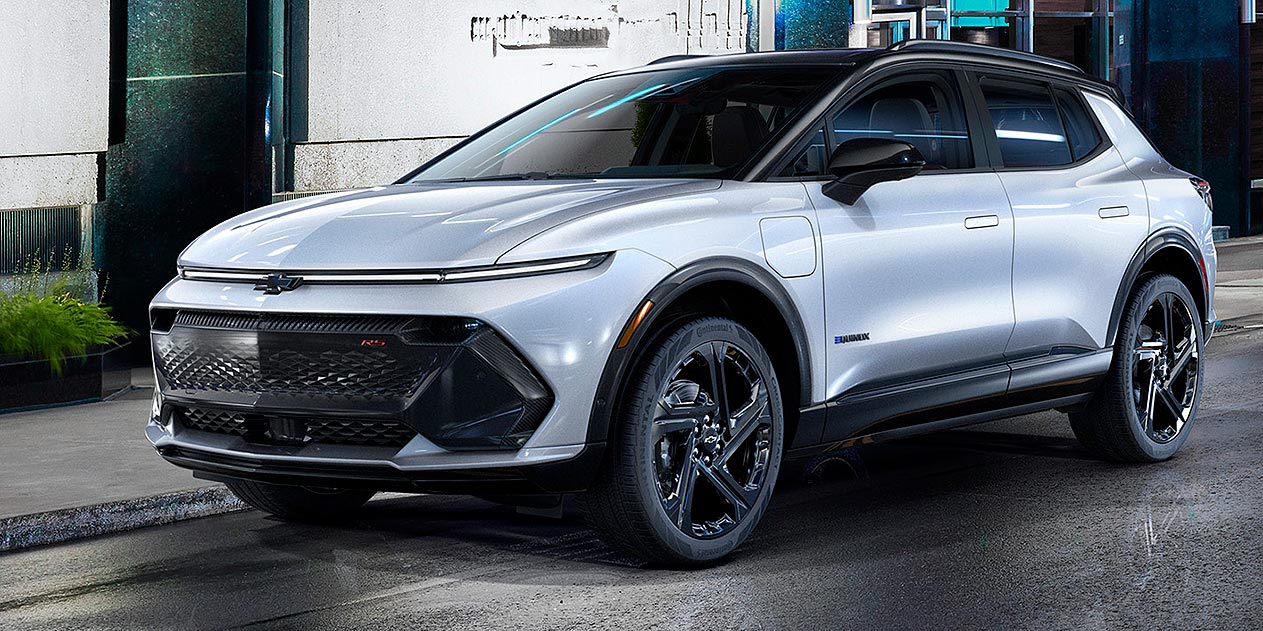
GM’s Ultium platform is utilized by the Equinox EV. The base LT front-wheel drive model has a range of about 319 miles; when all-wheel drive is added, the range drops to about 285 miles. It has a sizable 17.7-inch touchscreen, a number of driver-assistance features (such as emergency braking and lane-keep) as standard, and DC fast charging up to 150 kW (roughly 77 miles in 10 minutes) for convenient top-ups. The Equinox is a very attractive option for people who want long range and space (as a crossover SUV) without having to pay premiums for luxury EVs. Larger size, heavier weight, and possible import/local pricing are trade-offs.
- Estimated Range: Up to 319 miles (FWD version)
- Why It Stands Out: One of the most anticipated EVs of 2025, the Equinox EV offers SUV versatility, sleek design, and long range—all under $35K. Built on GM’s Ultium platform, it’s a game-changer in value.
The 2025 Equinox EV (base LT, FWD) gives ~319 miles EPA range, strong features, and starts just under $35,000. It’s one of the best value long-range SUVs in its price class.
2. Nissan LEAF SV Plus – Starting at ~$32,500

With a larger battery pack than the standard Leaf, the Nissan Leaf SV Plus can travel up to 200 miles on a single charge, depending on the year and driving circumstances. Larger ~75 kWh battery options are now available in the top trims (S+ and SV+) of the recently redesigned 2025/2026 model line, which can deliver up to ~303 miles EPA in the base S+ trim.
It also features better battery cooling, more contemporary styling, upgraded interior technology, and dual charge ports (including NACS, compatible with Tesla Supercharger in new models). The “Plus” trims’ charging speed may not keep up with their more recent rivals, and the price of the higher trims may exceed the budget.
- Estimated Range: 212 miles
- Why It’s Included:
While it falls just below the 250-mile mark, the LEAF SV Plus remains a reliable budget EV with advanced safety tech, a roomy interior, and a proven track record—ideal for city drivers and commuters.
“Leaf SV Plus” (plus battery version) gives significantly more range vs standard Leaf; it’s been a favorite used EV for years. But under ~$35k, new ones may approach that ceiling. It has less range than the very best in class, yet still reasonably long for many use cases.
3. Chevrolet Bolt EUV – Starting at ~$27,800
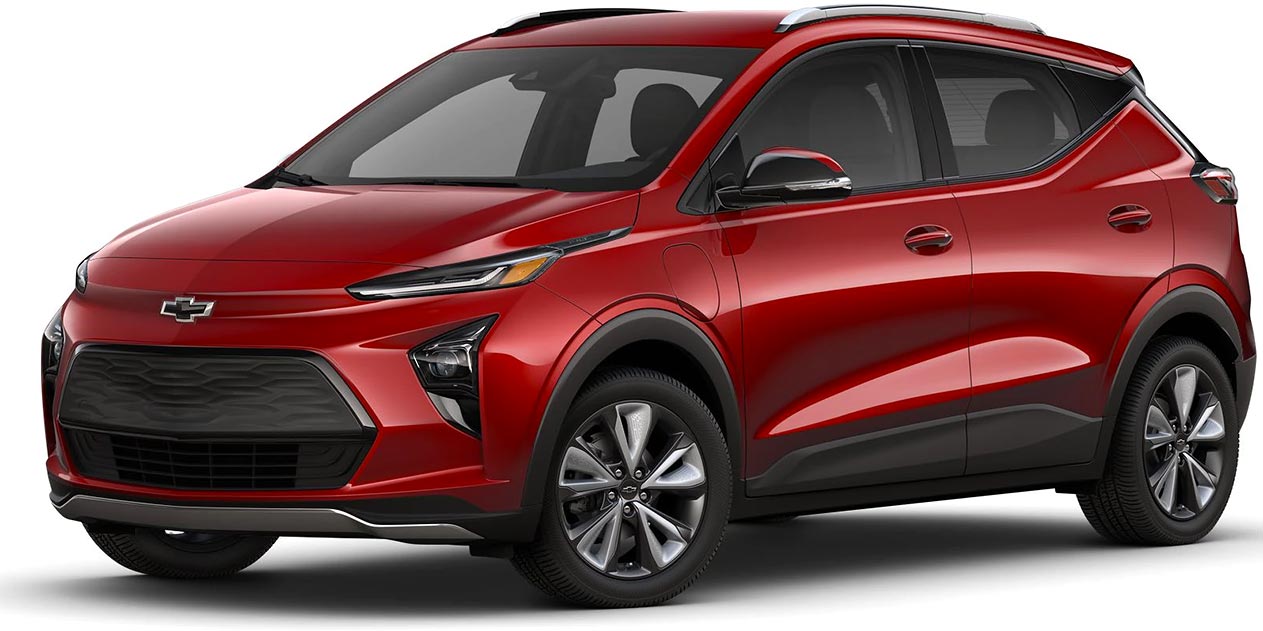
With a ~65 kWh usable battery, the Bolt EUV is a small sub-SUV/hatch EV with an EPA range of 247 miles; city driving tends to provide better results, while highway/high speed may decrease this. Although its peak charging rates are lower than those of premium EVs, it has a 200 horsepower (~150 kW) motor and supports DC fast charging. With contemporary infotainment and driver assistance features, the interior is well-equipped. It strikes a sweet spot for a lot of drivers: reasonably priced, with enough range for everyday use and moderately longer trips, and small enough for parking. Less “premium” driving feel and possibly greater range loss in demanding situations are trade-offs.
- Estimated Range: 247 miles
- Why It’s Great: Though discontinued after 2023, many 2024 and 2025 carryovers are still on sale in dealerships. The Bolt EUV is one of the most affordable long-range EVs available, with Super Cruise hands-free driving on select trims.
The Bolt EUV offers ~247 miles EPA range, solid for its price, especially for city / suburban driving. It’s less “long-range” compared to the Equinox or newest Leafs, but very competitive if your driving isn’t long highway trips
4. Hyundai Kona Electric – Starting at ~$34,000
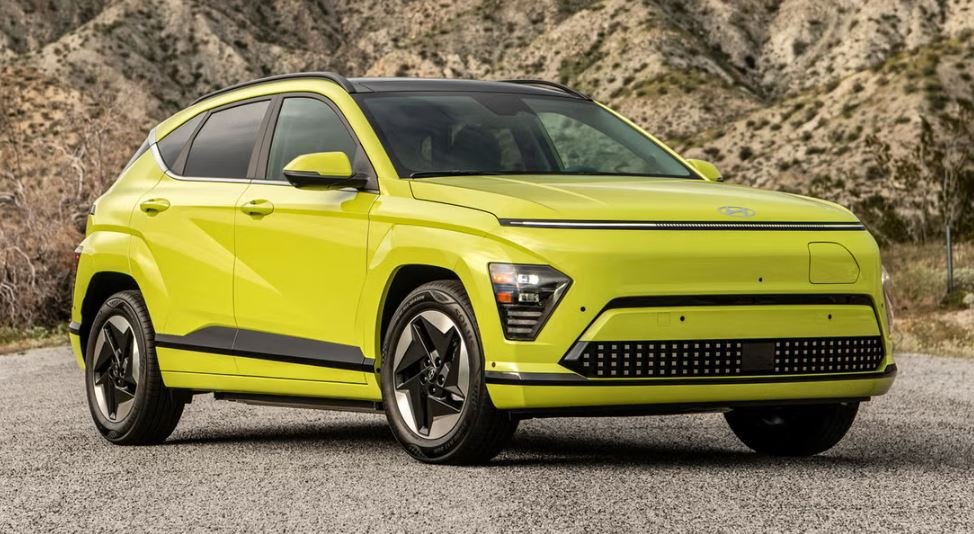
With a battery capacity of approximately 64.8 kWh, Hyundai‘s Kona Electric long-range model can travel between 260 and 261 miles in the higher trim level, while the base model, which has a smaller battery, can travel about 200 miles. Its strong service and support network, efficient performance, and generous warranty all help to ease concerns about maintenance and charging infrastructure. Additionally, it has respectable charging speeds and is small enough for city use but still useful for longer trips on occasion. Conversely, real-world range may be impacted by charging infrastructure and battery heating/cooling, particularly in regions with warmer or colder temperatures.
- Estimated Range: Up to 261 miles
- Why It Stands Out: Redesigned for 2024/2025, the new Kona Electric features more interior space, better tech (like a 12.3-inch touchscreen), and a sleek EV-first design. Excellent value for a crossover EV with solid range.
Kona Electric offers a strong combo of range, reliability, and established brand support. Depending on battery trim, it can meet or approach the long-range target under budget. Good option especially for those wanting a smaller-SUV form.
5. Mini Cooper SE Electric (2025 Gen) – Starting at ~$32,500
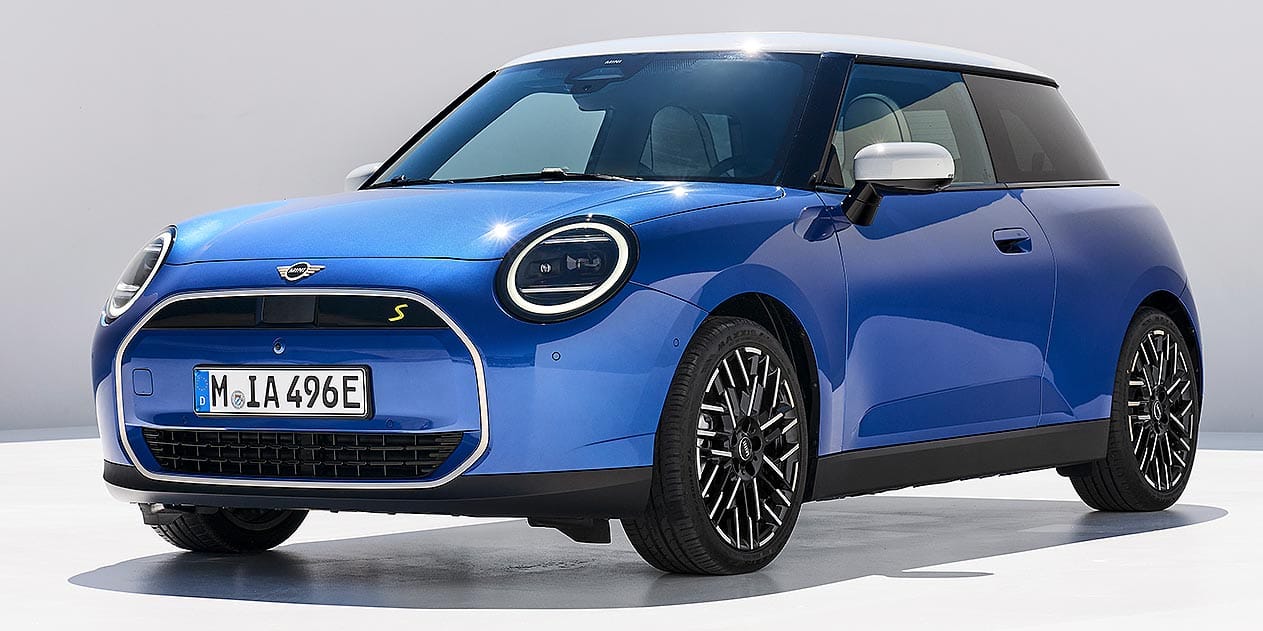
According to WLTP estimates, the 2025 generation Mini Cooper SE’s larger battery packs (~58.4 kWh) increase range to roughly 200 miles on a single charge.
While maintaining the MINI handling feel—lower center of gravity, sporty suspension, and drive modes (Go-Kart, Green, etc.)—it also gains power and torque (SE version ~218 hp) for more spirited performance.
However, compared to larger EVs with more efficient aerodynamics, its size limits the amount of space available for passengers and cargo, and driving on highways or at high speeds will reduce range more. Depending on options and trim, the price may also approach or surpass the upper limit of the approximately $35,000 target.
- Estimated Range: Up to 250 miles (2025 version)
- Why It’s Special:
The new-gen Mini SE gets a huge range boost while maintaining its fun-to-drive, compact personality. Great for urban dwellers who want something stylish and efficient.
The 2025 Mini Cooper SE (or SE/E versions) improves range over older Minis. But even with improvements, its real-world long range may lag behind larger EVs. It’s more about style, agility, and city driving.
6. BYD Dolphin or Seagull (Global Markets)
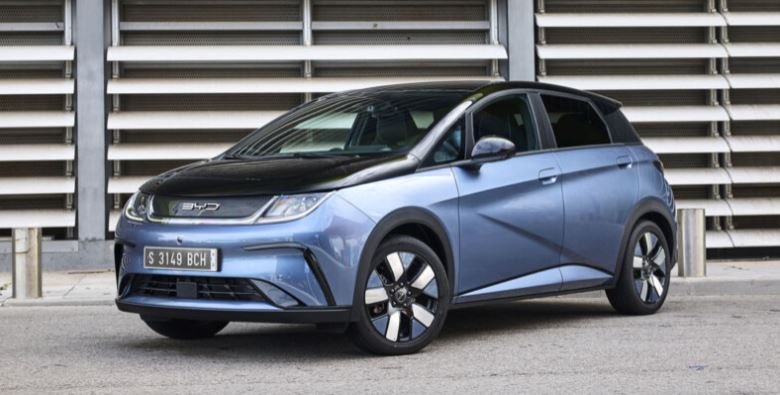
The BYD Dolphin is a compact hatch built on BYD’s newer e-Platform; depending on variant it offers battery packs of around 44.9-60.4 kWh, and WLTP ranges from ~211 miles (for smaller pack) up to ~265 miles for the larger pack. It uses BYD’s Blade battery tech (good for durability and safety), offers rapid DC charging (in higher versions up to ~88 kW), and AC charging suitable for homes. The Seagull is generally a smaller/cheaper version of Dolphin or similar BYD compact city EVs. While their claimed ranges are good for their class, real-world range tends to be lower in harsh conditions, and charging infrastructure might be less available outside China/Europe. For someone wanting a stylish, efficient city vehicle, it’s great; for long highway trips, expect more frequent stops.
- Estimated Price: ~$20,000–$28,000
- Estimated Range: 250–300 miles (CLTC, adjusted for EPA: ~230–270 miles)
- Why It’s Worth Watching:
While not widely available in the U.S. yet, these Chinese EVs are disrupting global markets with affordable pricing and competitive range. Perfect for import markets or future global rollout.
These models are very interesting budget EVs, especially for urban/suburban use. Their WLTP/CLTC ranges are good; some versions come close to or exceed “long-range” for daily use. However, under many real world/ePA expectations, they may fall a bit short for heavy highway/long-distance use.
Bonus: Used Tesla Model 3 Standard Range Plus
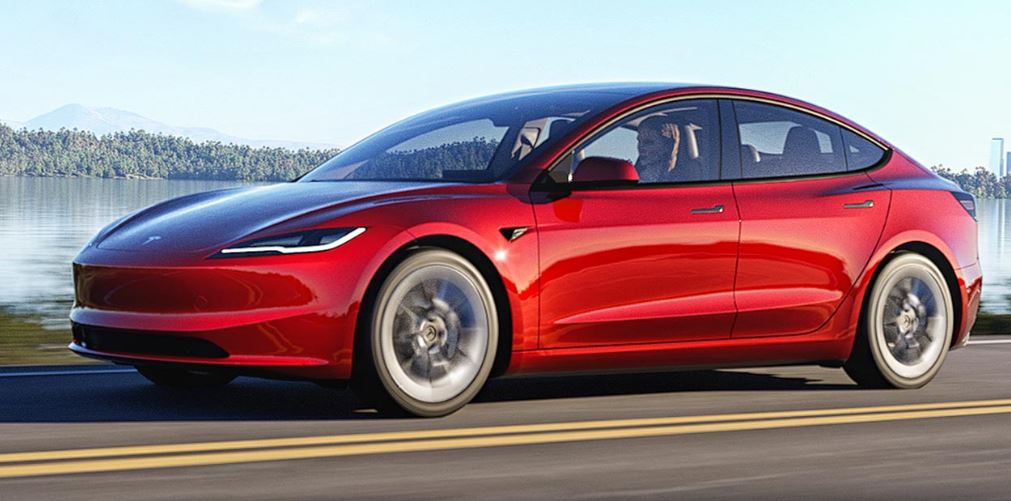
Compared to the Long Range or Performance trims, the rear-wheel drive Model 3 Standard Range Plus has a slightly smaller battery. Tesla‘s drivetrain, aerodynamic design, and Supercharger access continue to provide efficiency advantages that can partially offset some drawbacks. Depending on the year and model, a new battery’s typical range may be between 250 and 270 miles, or even less. However, used batteries frequently have a lower range due to usage and battery degradation. When compared to less well-known brands, Tesla typically has better parts and servicing availability. One disadvantage is that the combined cost of used prices, imports, shipping, and taxes may be high; additionally, a reliable charging infrastructure is required, and future battery replacement or repair expenses may be incurred.
- Estimated Price: ~$30,000 (certified used)
- Range: 263–272 miles
- Why It’s Smart:
If you’re open to certified used vehicles, the base Model 3 is a fantastic entry into long-range EV driving, with Tesla’s Supercharger access and OTA software updates.
A used Tesla Model 3 SR+ can be a very strong pick: Tesla’s charging network, efficiency, and build quality are strong. But “standard range” is less long-range than the newer long-range model; depending on battery health, model year, and usage, the actual usable range can vary a lot.
Key Features to Consider in Budget EVs
- Battery Warranty: Most offer 8 years/100,000 miles.
- Charging Speed: Look for at least 100 kW DC fast charging.
- Tech & Safety: Even budget EVs now include adaptive cruise control, lane keeping, and wireless CarPlay.
- Incentives: Federal tax credits ($7,500) and state rebates may apply, reducing total cost.
Compromise is no longer an option when selecting a long-range, low-cost EV in 2025 that costs less than $35,000. Customers can get more than 250 miles of range, excellent technology, and affordability all in one package with models like the Hyundai Kona Electric, Chevrolet Equinox EV, and even the Mini Cooper SE.
Whether you’re upgrading from an older model or driving an EV for the first time, these cars offer low operating costs and high efficiency, making them ideal for today’s roads and tomorrow’s demands.