China Level 3 autonomous driving is accelerating as automakers expand conditional autonomous systems under new regulatory approvals and pilot programs. Companies such as BYD are leading L3 development, reflecting shifts in both industry capabilities and government oversight. This level of automation bridges widely used Level 2 driver-assistance systems and more advanced Level 4 technologies.
China Level 3 Autonomous Driving Progress and Regulatory Moves
Financial reports indicate rising market interest in China Level 3 autonomous driving technologies. Equities tied to autonomous systems and suppliers have seen higher activity following regulatory signals. The rollout of production-ready L3 vehicles and pilot operations has driven investor attention and market discussions.
Regulators have permitted controlled public-road use of L3 systems in designated areas. Vehicles with conditional autonomy are undergoing pilot operations under defined conditions, supporting the creation of operational frameworks for intelligent connected vehicles.
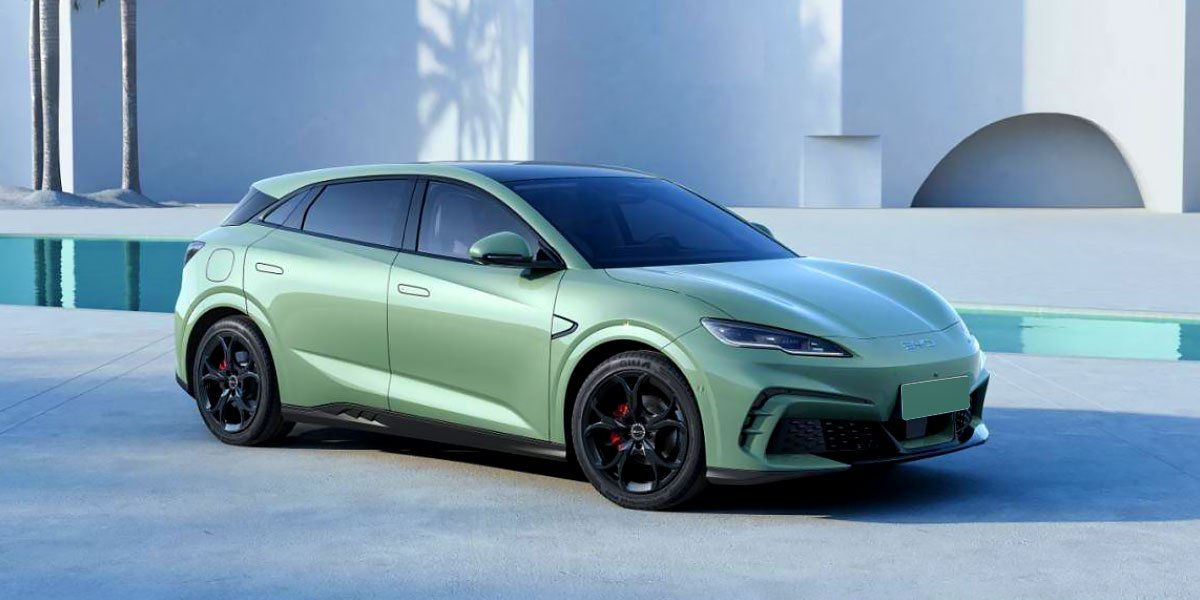
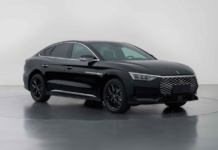
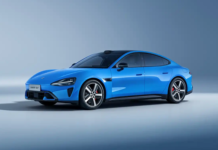
Several manufacturers have received localised testing authorisations. MIIT approved the Changan Deepal SL03 and Arcfox Alpha S for pilot operations, while Xpeng Motors and Li Auto carry out L3 tests on specific routes. BYD is conducting large-scale internal testing in Shenzhen, accumulating more than 150,000 kilometres of driving data in urban, highway, and challenging conditions.
Huawei’s Harmony Intelligent Mobility Alliance (HIMA) has initiated L3 internal trials in Shenzhen. These tests evaluate system behaviour in real-world traffic, informing future technology updates and regulatory adjustments.
Overall, China Level 3 autonomous driving is moving from pilot programs toward wider adoption. Coordinated government planning, combined with manufacturer testing, positions the country to advance L3 technologies safely and efficiently within a structured regulatory framework.