- Home
- Electric Vehicles
- Ferrari
- Ferrari Luce
Ferrari Luce
- Drive Type: Quad-motor AWD
- Type: 4-door grand tourer, 4 seats
- Self Driving: None
- Airbags: Yes
PROS
- Quad-motor system with over 1,000 hp and strong acceleration.
- 350 kW fast charging and 880 V architecture.
- Four-seat layout with luxury grand-touring usability.
CONS
- Estimated price above $500,000.
- Range lower than several luxury EV sedans.
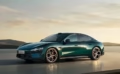
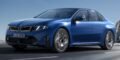
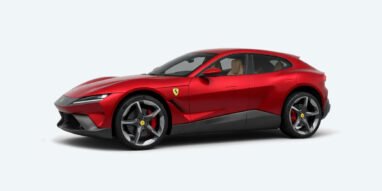
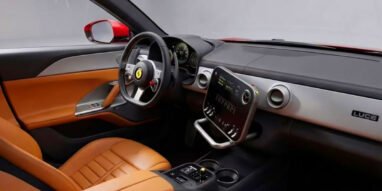
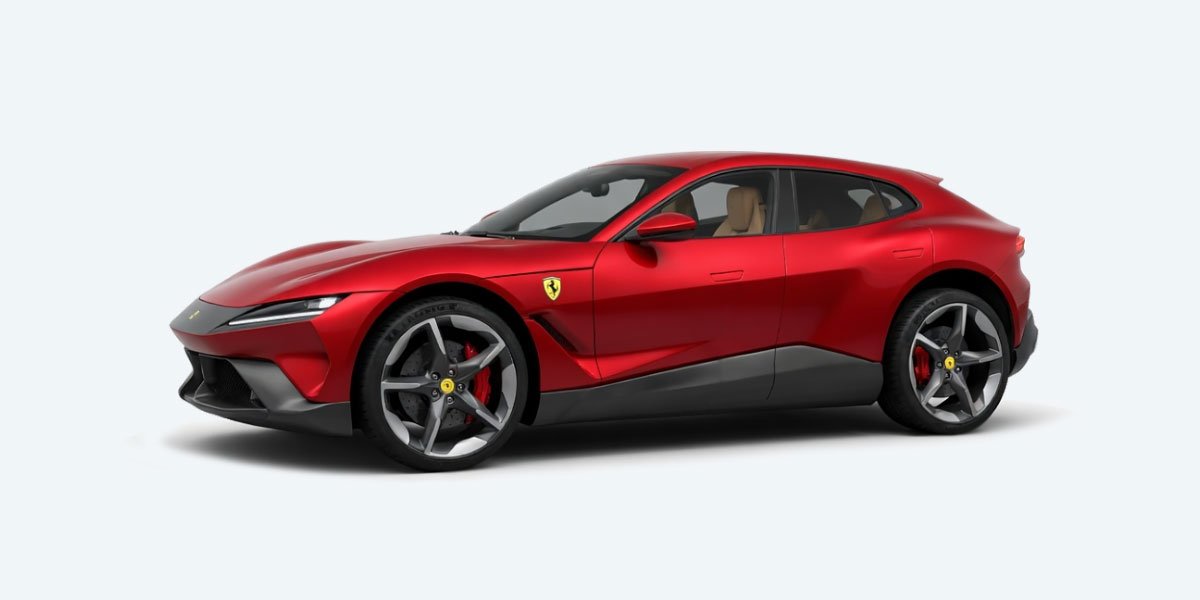
The Ferrari Luce is the first fully electric vehicle from Ferrari. It is a four-door luxury performance EV with a body style between a sedan, shooting brake, and grand tourer. The model targets the high-performance luxury EV segment. It features quad-motor all-wheel drive and more than 1,000 hp. The car accelerates from 0–62 mph in about 2.5 seconds. Production begins in 2026 in Maranello, Italy.
The Luce uses a 122 kWh battery pack with nickel-manganese-cobalt cells. Estimated range is about 330 miles WLTP. Ferrari uses an 880-volt architecture. DC fast charging supports up to 350 kW. Charging from roughly 10% to 80% takes around 25 minutes under optimal conditions. The platform integrates torque vectoring and four independent motors for precise power delivery.
Price positioning sits at the ultra-luxury level, with estimates above $500,000. The Luce suits collectors, high-income buyers, and owners who want a high-performance EV with Ferrari branding and four-seat usability. Other EV programs linked to Ferrari include future electric variants expected later in the decade. Within the luxury EV space, alternatives include the Porsche Taycan and Lotus Emeya. A performance comparison often appears with the Tesla Model S Plaid due to similar acceleration benchmarks.
Ferrari Luce Images
Full Specifications
MODEL
| Models | Luce EV Performance AWD |
LAUNCH
| Announced | October 2025 |
| Status | Expected production 2026 |
| Country of origin | Italy (Maranello) |
| Base Price | $500000+ |
PERFORMANCE
| Power | Over 1,000 hp (in “Boost Mode”), Quad-motor AWD (two front, two rear) |
| Torque | 1000+ lb-ft |
| Acceleration The acceleration numbers are an easy way to compare car performance. We list either time from 0 to 100 km/h or time from 0 to 60mph, depending on which number(s) the manufacturers provide. The lower the acceleration time, the higher performance the car is. | 2.5 seconds |
| Max Speed | 200 mph |
| transmission | Single-speed reduction drive |
BATTERY
| Capacity | 120–125 kWh |
| Tech | Lithium-ion NMC high-performance pack |
| Range | 310–330 miles |
| Consumption | 20–23 kWh per 100 km |
| Recuperation | Multi-level regenerative braking |
| Heat Pump | |
| AC Charging |
11–22 kW AC 0–100 percent about 6–10 h |
| DC Charging |
Up to 350 kW DC 10–80 percent about 20–25 min |
| Others | 800–880 V electrical architecture |
BODY
| Type |
4 door luxury performance grand tourer 4 seats |
| Platform | Ferrari dedicated EV platform |
| Dimensions |
Length about 5000 mm Width about 2000 mm Height about 1400 mm |
| Drag Co-Efficient | 0.24–0.26 |
| Wheelbase | 3000 mm |
| Clearance | 120 mm |
| Weight | 2400–2500 kg |
| Suspension |
Adaptive air suspension Active damping |
| Wheels | 20 to 22 inch alloy wheels |
| Trunk/Boot | 400 L |
| Frunk/Bonnet | Small front storage about 50–80 L |
| Others | Torque vectoring through four motors |
DISPLAYS
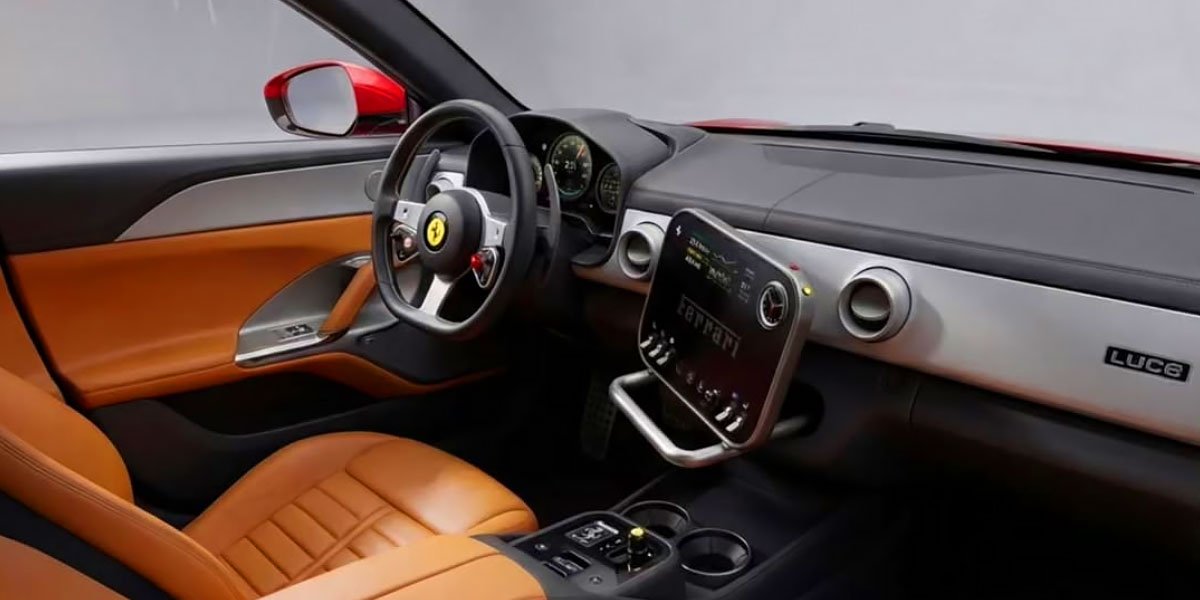
| Centre | Large curved touchscreen infotainment |
| Driver's Display | Fully digital instrument cluster |
| Head-Up | Augmented reality HUD |
| Others | Passenger display screen |
COMFORT
| Seats |
4 premium sport seats Heated and ventilated |
| Roof | Panoramic glass roof option |
| Parking Aids |
360 degree cameras Automated parking |
| Connectivity |
5G connectivity Wireless Apple CarPlay and Android Auto |
| Others |
Premium audio system Ambient lighting |
SAFETY
| Airbags |
Front Side Curtain |
| Driving Aids |
Adaptive cruise control Lane centering Collision mitigation braking |
| Self Driving | Level 2 driver assistance |
Note
| Others |
First fully electric Ferrari production model expected around 2026 Manufacturing planned in Maranello EV facility. |
Reviews
Disclaimer Note
We can not guarantee that the information on this page is 100% correct