

- Electric Vehicles
- Pininfarina
- Pininfarina Battista
Pininfarina Battista
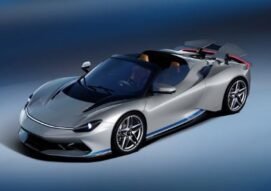
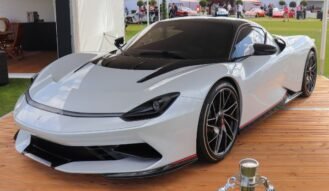
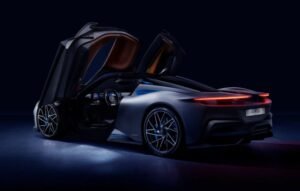
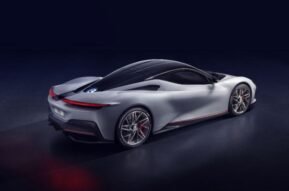
- Drive Type: AWD
- Type: 2-door luxury electric hyper GT, 2 seats
- Self Driving: Level 2 automated driving
- Airbags: Yes
PROS
- Extremely high power output and acceleration
- Elegant design with handcrafted details
- Long range for a hypercar
CONS
- Very high cost
- Limited practicality for daily use
The Pininfarina Battista is an electric hypercar. It sits in the high-performance EV segment. It has a 2-door coupe body.
The battery is about 120 kWh and the range reaches near 300 miles on WLTP. It supports fast DC charging up to around 270 kW.
The price is above $2 million and in the ultra-premium segment. It suits buyers who want extreme speed and low production exclusivity. Other models from the same maker include the Battista Anniversario and Pininfarina PF0 (concept). Alternatives are the Rimac Nevera and Lotus Evija. Compared to a Porsche Taycan Turbo S, the Battista has more power and a higher price.
Pininfarina Battista Images
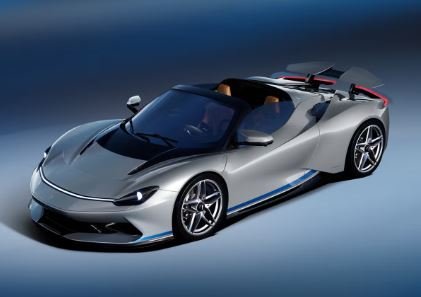
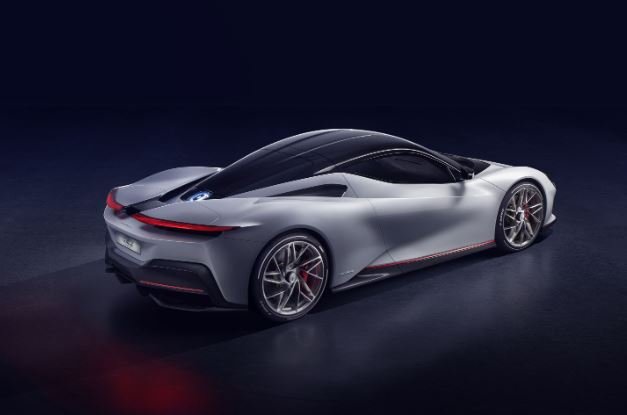
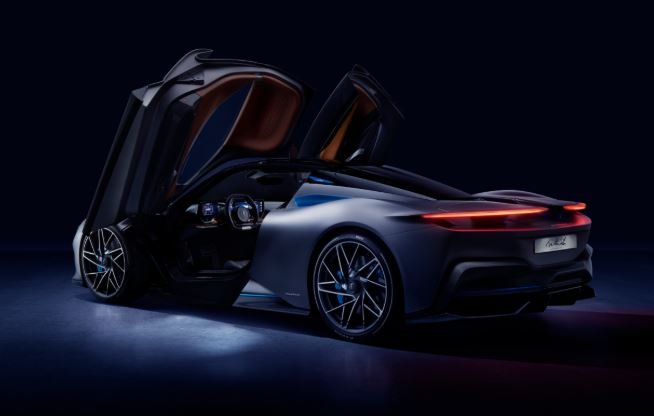
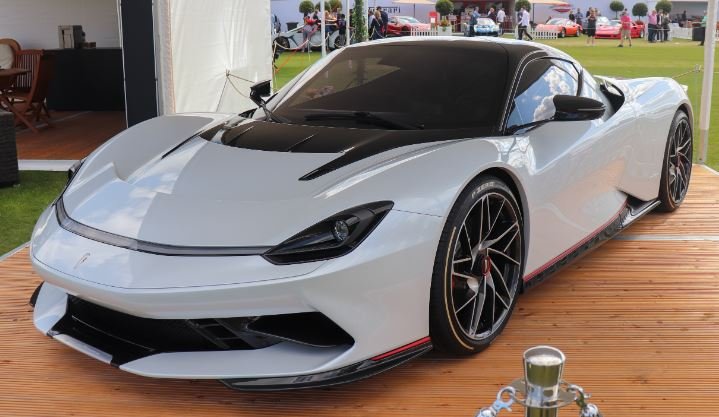
Full Electric Vehicle Specifications
MODEL
| Available Trims / Variants |
Pininfarina Battista Pininfarina Battista Anniversario Pininfarina Battista Edizione Nino Farina Pininfarina Battista Targamerica |
LAUNCH
| Reveal Date |
2019 - Pininfarina Battista March 2020 - Pininfarina Battista Anniversario July 2023 at the Goodwood Festival of Speed. - Pininfarina Battista Edizione Nino Farina August 2024 - Pininfarina Battista Targamerica |
| Availability Status |
In production, with first deliveries in 2022. Limited to 150 units. - Pininfarina Battista Production began in 2022, limited to 5 units worldwide - Pininfarina Battista Anniversario Production, limited to 5 units worldwide. - Pininfarina Battista Edizione Nino Farina A one-off, coach-built vehicle. It is not available for purchase. - Pininfarina Battista Targamerica |
| Country of origin | Italy |
| Base Price (USD) |
Approximately $2.2 million USD (€2 million) - Pininfarina Battista From €2.6 million (approximately $2.8 million USD). - Pininfarina Battista Anniversario $2.2 million (or ~€3.1 million / ~£3.2 million) - Pininfarina Battista Edizione Nino Farina |
BATTERY
| Battery Capacity | 120 kWh (gross) |
| Battery Chemistry | Rimac-developed lithium-ion battery pack, T-shaped, 6992 cells |
| Range (WLTP/CLTC/EPA) | 476 km (296 miles) WLTP / ~300 miles EPA |
| Energy Consumption | 27.7 kWh/100 km (WLTP) |
| Regen Braking (Max kW) | Up to 400 kW of regenerative braking power. |
| Heat Pump | |
| AC Charging (Max kW) | Estimated 22.3 hours on a 7kW charger. |
| DC Charging (Max kW) | Up to 500 kW fast charging, allowing a 20-80% charge in approximately 22.5 minutes. |
| Additional Notes | High-voltage electrical system with a nominal voltage of 630V. |
PERFORMANCE
| Power Output (kW / hp) | 1,900 HP (1,417 kW) from four individual electric motors, one at each wheel. All-wheel drive. |
| Torque (Nm) | 2,300 Nm (1,696 lb-ft) |
| 0–100 km/h / 0-60 mph (seconds) The acceleration numbers are an easy way to compare car performance. We list either time from 0 to 100 km/h or time from 0 to 60mph, depending on which number(s) the manufacturers provide. The lower the acceleration time, the higher performance the car is. | 0-100 km/h (0−62 mph) in 1.86 seconds |
| Top Speed (km/h / mph) | 350 km/h (217 mph) |
BODY
| Body Style | 2-door luxury electric hyper GT, 2 seats |
| Platform / Architecture | Carbon fibre monocoque with carbon fibre body panels. |
| Dimensions (L×W×H mm) | 4912 mm (L) x 2052 mm (W excl. mirrors) x 1214 mm (H) |
| Drag Coefficient (Cd) | 0.3 |
| Wheelbase (mm) | 2745 mm |
| Ground Clearance (mm) | 120-135 mm, with adaptive suspension. |
| Kerb Weight (kg) | 2,049 kg (curb weight) |
| Suspension (Front / Rear) | Double wishbone front, multilink rear. Adaptive suspension with five selectable drive modes. |
| Wheel Size (inches) | 21-inch rims with Pirelli P Zero Corsa tires. |
| Trunk/Boot Capacity (L) | 100 litres of cargo space. |
| Frunk/Bonnet Capacity (L) | Not specified. |
| Towing Capacity (kg) | Not specified. |
SAFETY
| Airbags (count) | Equipped with airbags and seat belt pre-tensioners. |
| Driver Assistance (ADAS) | Anti-lock Braking System (ABS), Lane-Keeping Assist (LKA), Lane Departure Warning, Traction Control, and Electronic Stability Control. |
| Autonomous Driving Level | Level 2 automated driving, including Adaptive Cruise Control (ACC) and Lane Centering Assist (LCA). |
| Crash Test Ratings | Not specified, as is typical for low-volume hypercars. |
COMFORT
| Seating Capacity | Electrically adjustable seats with a GT-car focus for comfort. Upholstered in high-end leather and materials. |
| Roof Type | Curved glass roof on some models to enhance interior lighting. |
| Bluetooth / Wi-Fi | Onboard eSIM for internet connectivity in over 50 countries. Naim audio system. |
| Parking Aids | Reversing camera and 360-degree camera are standard. |
| Additional Notes | Vehicle soundscape designed to create an emotional experience |
DISPLAYS
| Centre Screen (inches) | Small, minimal screen attached to the steering column for speed, driver mode, range, and battery charge. |
| Driver's Display (inches) | Two large screens flanking the steering wheel. The left screen shows driving information and car setup, while the right screen handles navigation and entertainment. |
| Head-Up Display (HUD) | Not specified. |
| Additional Notes | Advanced online infotainment system with music streaming and telemetry. |
LIGHTING
INFOTAINMENT & AUDIO
TECHNOLOGY
OWNERSHIP
Note
| Additional Notes | The car is hand-built at the Pininfarina SpA atelier in Turin, Italy. |
User Reviews
Disclaimer Note
Specifications sourced from manufacturer data and may reflect WLTP, CLTC, or EPA test conditions. Import prices in your local are estimates based on grey-market landing costs and exclude duties, clearing fees, and local taxes. Figures are subject to change without notice. Always verify with your local importer before purchase. We can not guarantee that the information on this page is 100% correct