Polestar is expanding fast. The brand began as a performance division of Volvo and now operates as a standalone EV manufacturer. Management outlined an aggressive product plan. Four new electric vehicles are scheduled before 2028. The goal is simple. Broaden the lineup. Increase global sales. Move toward profitability.
Polestar 5 Launch Timeline
The Polestar 5 sits at the top of the range. It is a four door grand tourer designed as the company’s halo vehicle. Key specifications:
• 112 kWh battery
• Dual motor setup
• 650 kW output
• 0 to 62 mph in 3.2 seconds
Deliveries begin in summer 2026. The Polestar 5 targets buyers considering high performance EVs such as the Porsche Taycan.
Polestar 4 Wagon Variant
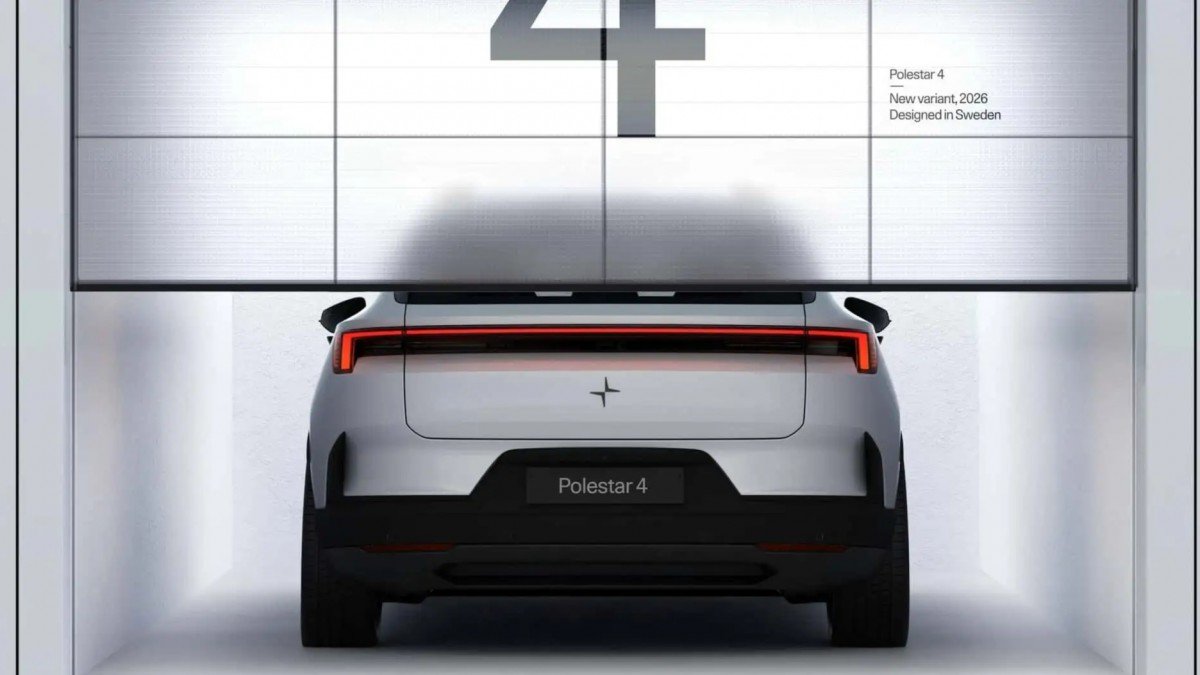
A new Polestar 4 body style arrives in late 2026. The existing Polestar 4 is already the brand’s strongest seller. The upcoming version shifts to a wagon layout.
Important changes:
• Rear windshield added
• Larger cargo capacity
• Built in South Korea
• Expected price near $48,000
The wagon format positions the Polestar 4 against models like the Porsche Taycan Cross Turismo.
Next Generation Polestar 2
Polestar is replacing its best known model. The Polestar 2 has recorded over 190,000 global sales. Production of the current version ends this year.
What to expect from the second generation:
• Launch planned for early 2027
• New platform and design updates
• Likely production in China
US pricing remains uncertain due to import duties on Chinese built vehicles.
Polestar 7 Enters Compact SUV Segment
In 2028, Polestar enters the compact luxury SUV category with the Polestar 7. This segment dominates EV demand in Europe.
Strategic details:
• Compact luxury SUV
• European production planned
• Tariff mitigation strategy
This move aligns Polestar with strong volume segments rather than niche performance markets.
Financial Pressure and Strategy Shift
Polestar continues to face financial challenges. The company reported losses exceeding $1.5 billion in recent results. China sales declined sharply.
Management response:
• Broader vehicle portfolio
• Sales network expansion of 30%
• Shift toward traditional dealerships
The strategy aims to improve visibility, test drive access, and conversion rates.
Tariffs and Pricing Risks
Import duties remain a key risk factor.
Current pressures include:
• South Korea built vehicles facing US import taxes
• Chinese built vehicles subject to extreme tariffs
Production diversification across regions reduces exposure but does not eliminate pricing uncertainty.
Sales Growth Momentum
Despite challenges, Polestar recorded its strongest sales year.
• 60,119 vehicles sold globally
• 34% year over year growth
• Growth forecast for 2026
The expanded lineup plays a central role in sustaining demand.
Why This Matters for Buyers
Polestar’s roadmap signals wider choice across segments:
• High performance grand tourer
• Practical wagon
• Updated sedan
• Compact luxury SUV
Buyers gain more options. Pricing dynamics will depend heavily on regional tax policies and production locations.
Related EV News
- Next Toyota Yaris: EV, Hybrid, Petrol Options Revealed
- Tesla Cybercab Production Begins at Gigafactory Texas
- BYD Linghui e9 Revealed With Up To 605 km Range
- BYD Song Ultra EV Price Drops to 180,000 Yuan in China
- Volvo EX30 Black Edition Debuts in the UK