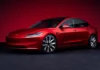
Volkswagen ID. 2all vs Mini Cooper SE
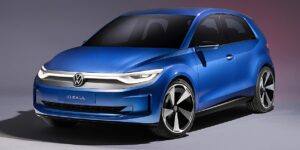
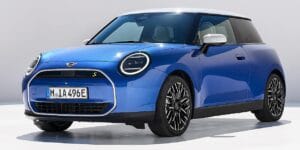
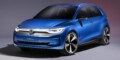
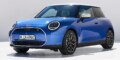
The Volkswagen ID. 2all and Mini Cooper SE target the small EV hatchback segment. ID. 2all focuses on practical daily use with five doors and more interior space, while Mini Cooper SE targets urban driving with a smaller three-door layout and a focus on compact size. Buyers include city users, short-distance commuters, and drivers moving from petrol hatchbacks to entry EVs.
Range shows a clear gap. ID. 2all targets up to 450 km WLTP, while Mini Cooper SE delivers about 300–330 km in newer versions. Charging also differs. ID. 2all aims for 10 to 80 percent in about 20 minutes, while Mini Cooper SE peaks around 95 kW and takes close to 30 minutes for a similar window.
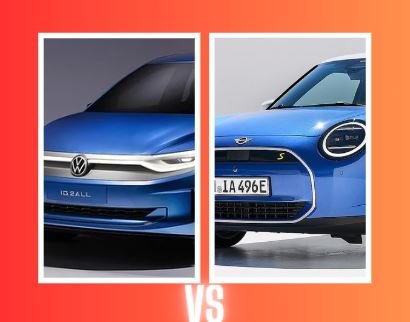
Price positioning sits in the entry EV range. ID. 2all targets below €25,000 as a future model, while Mini Cooper SE already sits in a higher bracket depending on market and trim. Availability separates them. Mini Cooper SE is on sale across Europe and other regions, while ID. 2all remains a concept with production planned around 2025. This page helps you choose between a current compact EV and a future model with stronger projected efficiency and space.
Within Volkswagen, ID. 2all sits below models like the Volkswagen ID.3 and Volkswagen ID.4. Within Mini, Cooper SE sits alongside models like the Mini Countryman Electric as part of a small but growing EV lineup.
Volkswagen ID. 2all offers longer range, faster charging targets, and more interior space, but it is not yet available and final specs may change. Mini Cooper SE delivers compact size, quick acceleration feel, and established availability, but it has shorter range and limited rear space.
Quick verdict: pick ID. 2all if you plan ahead and want higher range with better charging targets. Pick Mini Cooper SE if you need a small EV now for short urban trips.
Related EV Comparisons
| |
| Price | $25,000.00 $30,000.00 |
| Our Rating | |
| Brand | VOLKSWAGEN Mini |
| Category | Electric Cars Electric Cars |
MODEL
PRICE & AVAILABILITY
| Base Price (USD) | € 25,000 $ 29,990 € 32,500 £ 28,500 |
| Availability Status | Coming soon. Expected release 2026 Available to order. Released 2019 |
BATTERY & CHARGING
| Battery Capacity | 28.9 kWh usable, 32.6 kWh total |
| Range (WLTP/CLTC/EPA) | 280 mi WLTP 114 mi EPA (139 mi WLTP, 168 mi NEDC) |
| DC Charging (Max kW) | CCS, 10-80% in 20 min CCS 49 kW max, 0-80% in 36 min |
| AC Charging (Max kW) |
Type 2 7.2 kW Type 2 11 kW Type 2 11 kW, 0-100% in 5 hours |
| Energy Consumption | 310 Wh/mi EPA (245 Wh/mi WLTP) |
PERFORMANCE
| Power Output (kW / hp) | FWD 226 hp (166 kW) FWD 181 hp (135 kW) |
| 0–100 km/h / 0-60 mph (seconds) The acceleration numbers are an easy way to compare car performance. We list either time from 0 to 100 km/h or time from 0 to 60mph, depending on which number(s) the manufacturers provide. The lower the acceleration time, the higher performance the car is. | 7 sec 0-62 mph 6.9 sec 0-60 mph (7.3 sec 0-62 mph) |
| Torque (Nm) | 199 lb-ft (270 Nm) |
| Top Speed (km/h / mph) | 99 mph (160 km/h) 93 mph (150 km/h) |
BODY & DIMENSIONS
| Dimensions (L×W×H mm) | 159.4 x 71.3 x 60.2 in (4050 x 1812 x 1530 mm) 151.6 x 68.0 x 56.4 in (3850 x 1727 x 1432 mm) |
| Trunk/Boot Capacity (L) | EU: 17.3 ft³, 47.0 ft³ max EU: 7.5 ft³, 25.8 ft³ max |
| Body Style | 5 door hatchback, 5 seats 3 door hatchback, 4 seats |
| Kerb Weight (kg) | EU: 3175 lb unladen, 3913 lb gross |
| Ground Clearance (mm) | 5.0 in (127 mm) |
| Frunk/Bonnet Capacity (L) | No No |
SAFETY & DRIVER ASSISTANCE
COMFORT & SEATING
| Seating Capacity | Heated front seats, massage Heated front seats |
DISPLAYS & CONNECTIVITY
| Centre Screen (inches) | 12.9" touchscreen 6.5" or 8.8" touchscreen |
| Driver's Display (inches) | 10.9" 5" |
| Head-Up Display (HUD) | Yes Yes, retractable |
TECHNOLOGY
ADDITIONAL SPECS
Note
| Additional Notes | Also known as Volkswagen ID.2ALL |
|
Disclaimer Note
Specifications sourced from manufacturer data and may reflect WLTP, CLTC, or EPA test conditions. Import prices in your local are estimates based on grey-market landing costs and exclude duties, clearing fees, and local taxes. Figures are subject to change without notice. Always verify with your local importer before purchase. We can not guarantee that the information on this page is 100% correct