- Home
- Electric Vehicles
- VOLKSWAGEN
- Volkswagen ID.3 Neo
Volkswagen ID.3 Neo
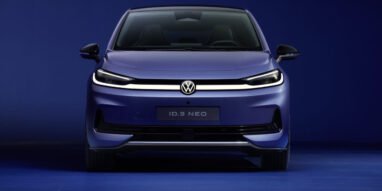
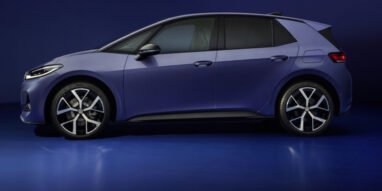
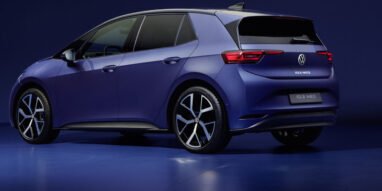
- Drive Type: RWD
- Body Type: 5 door hatchback, 4/5 seats
- Self Driving:
- Airbags: 6 Airbags
PROS
- The 77 kWh variant's 185 kW DC charging rate is genuinely competitive for the segment
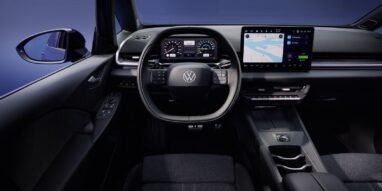
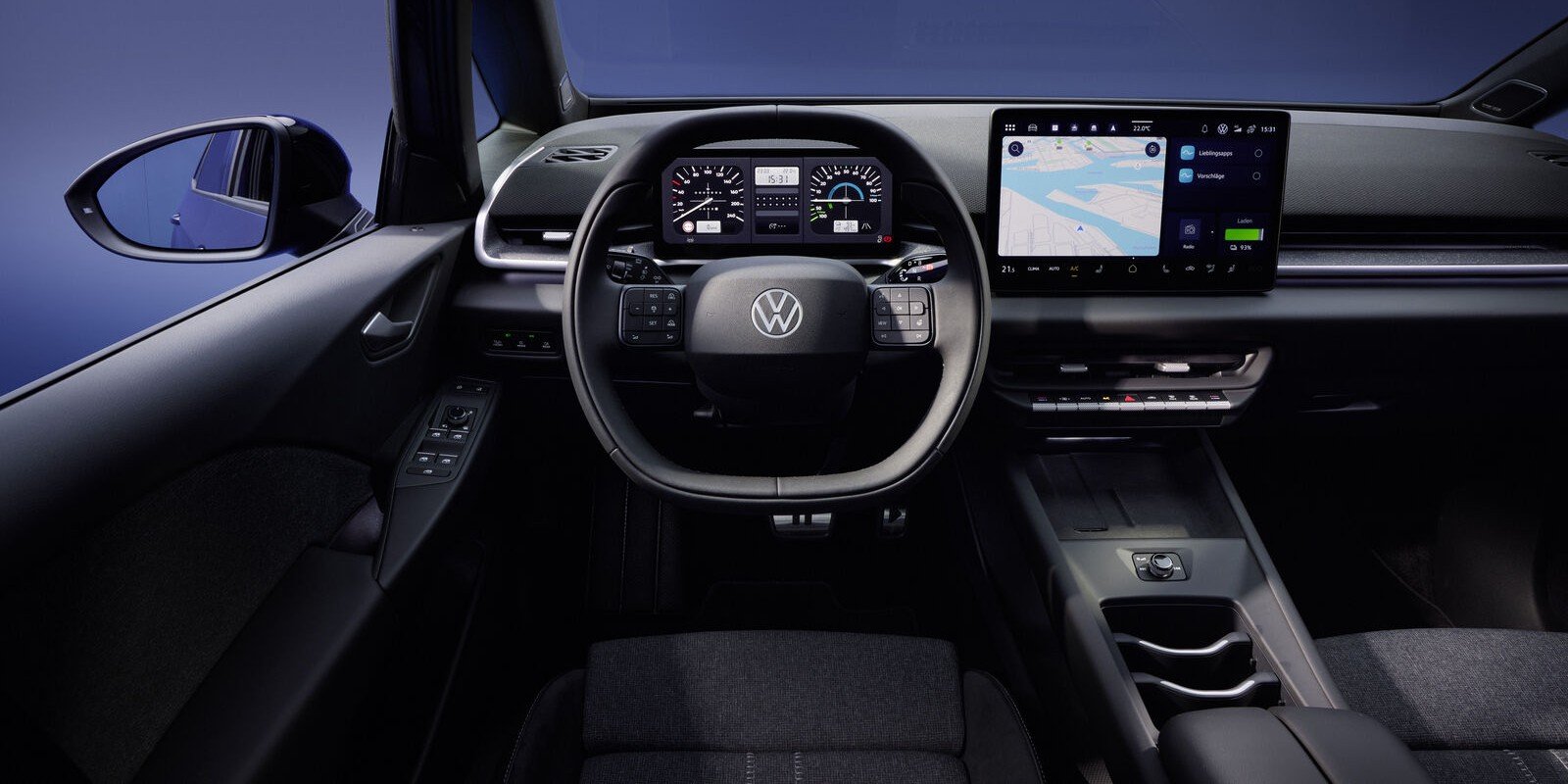
- Interior quality on the Neo revision is noticeably better than the original
- VW's dealer network and parts availability across Europe make ownership less uncertain
CONS
- The base 58 kWh model's 120 kW charging ceiling is modest for 2024
- At €35,000+, the ID.3 Neo doesn't offer meaningfully more car than a BYD Seal, which beats it on range and value
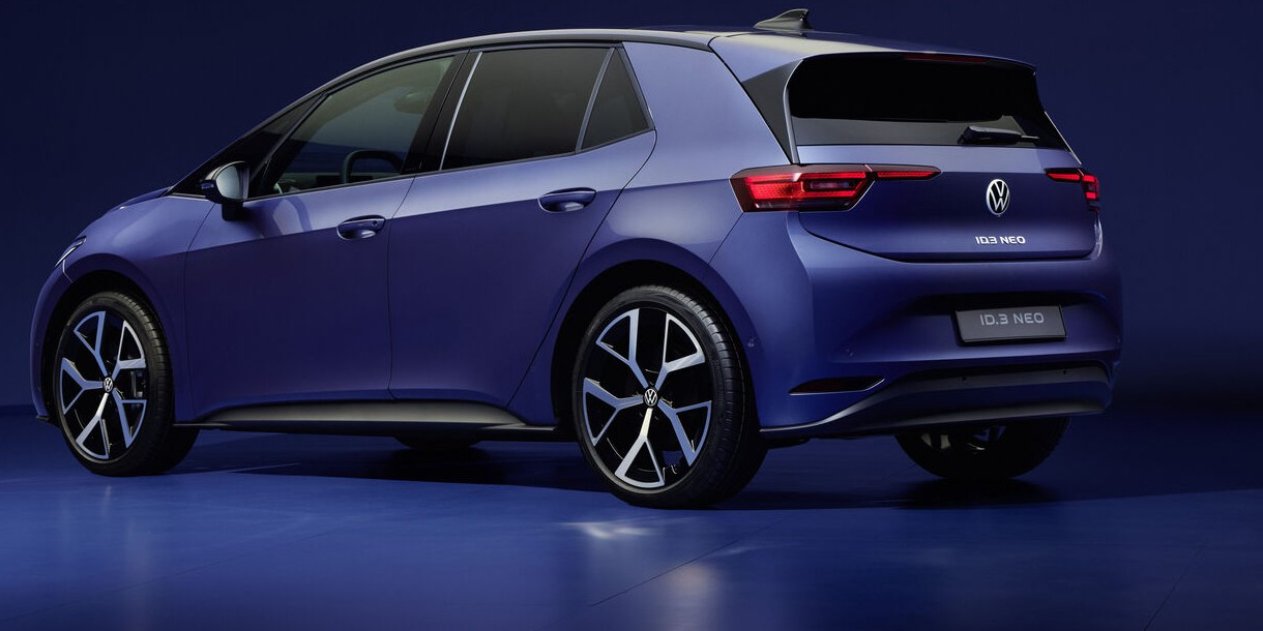
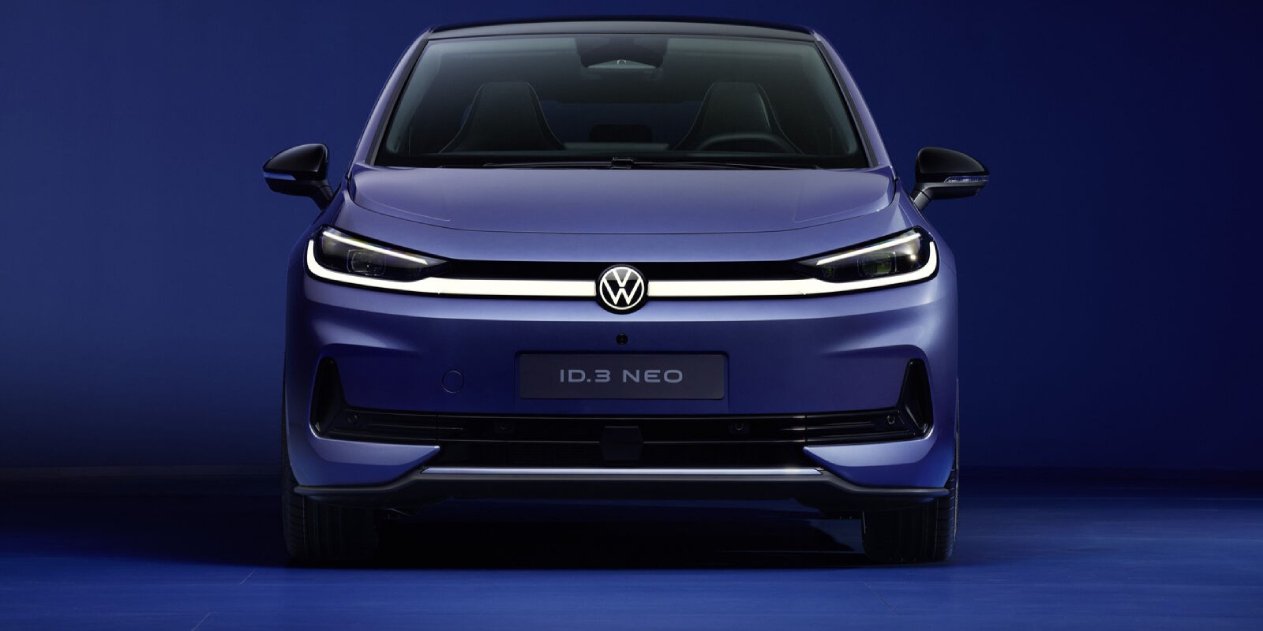
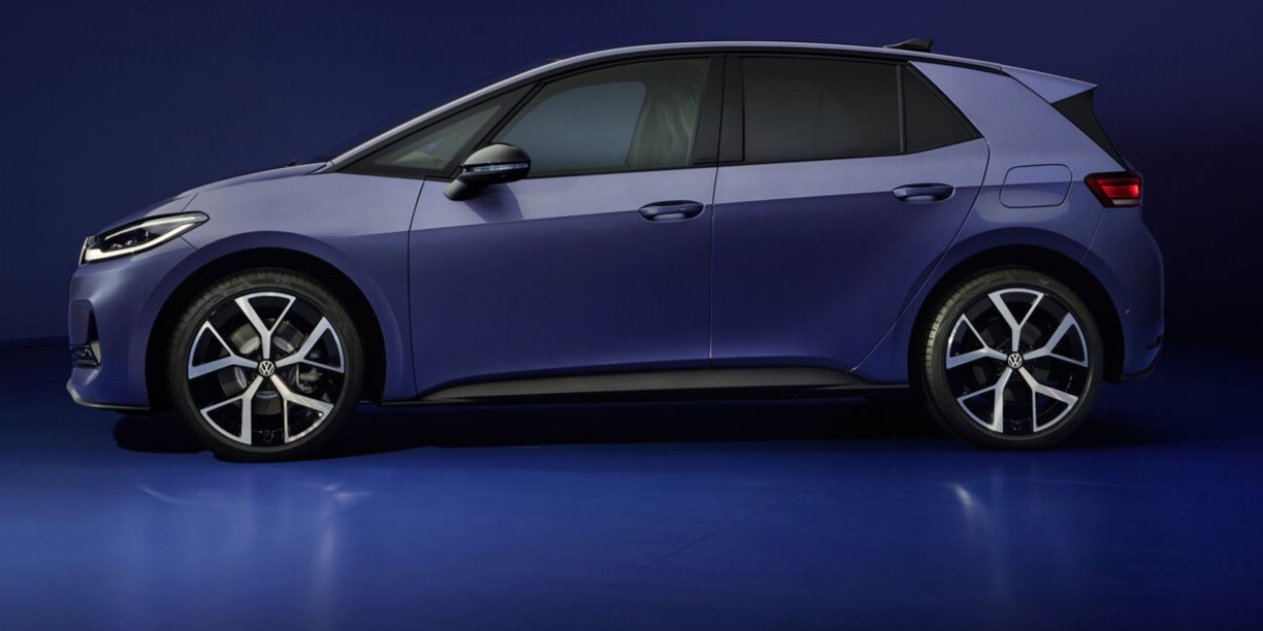
The ID.3 Neo is Volkswagen’s mid-cycle refresh of its entry-level electric hatchback, launched in 2024 to address criticisms that made the original harder to recommend. It sits in the C-segment compact hatch class — the same space as the Golf — with a five-door body and a focus on everyday urban and suburban use. It’s not a performance car and doesn’t try to be. What it is, is a more polished version of an EV that Volkswagen needed to get right the second time.
Two battery options are available: a 58 kWh pack with a WLTP range of around 390 km, and a 77 kWh long-range version that stretches to approximately 550–570 km. DC fast charging tops out at 120 kW on the smaller battery and 185 kW on the larger, which puts real-world top-up times in the 25–35 minute range for an 80% charge. AC onboard charging is capped at 11 kW. The charging figures are adequate for the class — not class-leading, but not a reason to walk away either.
Pricing in Europe starts just above €35,000 for the base 58 kWh variant, putting it in the same bracket as the Renault Megane E-Tech and BYD Seal. It suits buyers who want a recognisable nameplate with broad dealership support and a relatively simple charging experience. Within the Volkswagen EV lineup, the ID.3 Neo sits below the ID.4 SUV and the ID.7 saloon. The most direct competitor is the Cupra Born — which shares the same MEB platform and is worth comparing spec-for-spec before signing anything. Other alternatives worth considering are the BYD Seal, which undercuts on price at comparable range, and the Renault Megane E-Tech, which offers stronger fast-charging than the 58 kWh ID.3 at a similar price point.
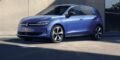
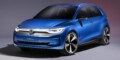
Volkswagen ID.3 Neo Images
Full Electric Vehicle Specifications
MODEL
| Available Trims / Variants |
Volkswagen ID.3 Neo 50 kWh Volkswagen ID.3 Neo 58 kWh Volkswagen ID.3 Neo 79 kWh |
PRICE & AVAILABILITY
| Availability Status | Coming soon. Expected release 2026, Q3 |
BATTERY & CHARGING
| Battery Capacity |
50 kWh usable - Volkswagen ID.3 Neo 50 kWh 58 kWh usable, 62 kWh total - Volkswagen ID.3 Neo 58 kWh 79 kWh usable, 82 kWh total - Volkswagen ID.3 Neo 79 kWh |
| Range (WLTP/CLTC/EPA) |
259 mi WLTP - Volkswagen ID.3 Neo 50 kWh 307 mi WLTP - Volkswagen ID.3 Neo 58 kWh 391 mi WLTP - Volkswagen ID.3 Neo 79 kWh |
| DC Charging (Max kW) |
CCS 105 kW, 10-80% in 29 min - Volkswagen ID.3 Neo 50 kWh CCS 105 kW, 10-80% in 29 min - Volkswagen ID.3 Neo 58 kWh CCS 183 kW, 10-80% in 26 min - Volkswagen ID.3 Neo 79 kWh |
| AC Charging (Max kW) |
Type 2 7.2 kW Type 2 11 kW |
| Energy Consumption | 240 Wh/mi WLTP |
PERFORMANCE
| Power Output (kW / hp) |
RWD 170 hp (125 kW) - Volkswagen ID.3 Neo 50 kWh RWD 190 hp (140 kW) - Volkswagen ID.3 Neo 58 kWh RWD 231 hp (170 kW) - Volkswagen ID.3 Neo 79 kWh |
| 0–100 km/h / 0-60 mph (seconds) The acceleration numbers are an easy way to compare car performance. We list either time from 0 to 100 km/h or time from 0 to 60mph, depending on which number(s) the manufacturers provide. The lower the acceleration time, the higher performance the car is. | 7.3 sec 0-62 mph |
| Top Speed (km/h / mph) | 99 mph (160 km/h) |
BODY & DIMENSIONS
| Dimensions (L×W×H mm) | 4265 x 1809 x 1554 mm (167.9 x 71.2 x 61.2 in) |
| Trunk/Boot Capacity (L) | EU: 385 l, 1267 l max |
| Body Style | 5 door hatchback, 4/5 seats |
| Frunk/Bonnet Capacity (L) | No |
SAFETY & DRIVER ASSISTANCE
COMFORT & SEATING
| Seating Capacity | Heated front seats, massage |
DISPLAYS & CONNECTIVITY
| Centre Screen (inches) | 12.9" touchscreen |
| Driver's Display (inches) | 10.25" |
| Head-Up Display (HUD) | Yes, with augmented reality |
TECHNOLOGY
ADDITIONAL SPECS
Note
User Reviews
Disclaimer Note
Specifications sourced from manufacturer data and may reflect WLTP, CLTC, or EPA test conditions. Import prices in your local are estimates based on grey-market landing costs and exclude duties, clearing fees, and local taxes. Figures are subject to change without notice. Always verify with your local importer before purchase. We can not guarantee that the information on this page is 100% correct