Electric vehicles once held the reputation of being futuristic, premium, and in high demand. But across major markets — the US, Europe, China, and even emerging regions — EV resale values are falling faster than those of gasoline cars. Why is this happening, and what does it mean for buyers?
As you read, consider this question: If you were buying an EV today, would rapid tech change worry you more than battery life? That single question lies at the heart of the global price decline.
1. Rapid Technology Upgrades Are Making Older EVs Look Outdated
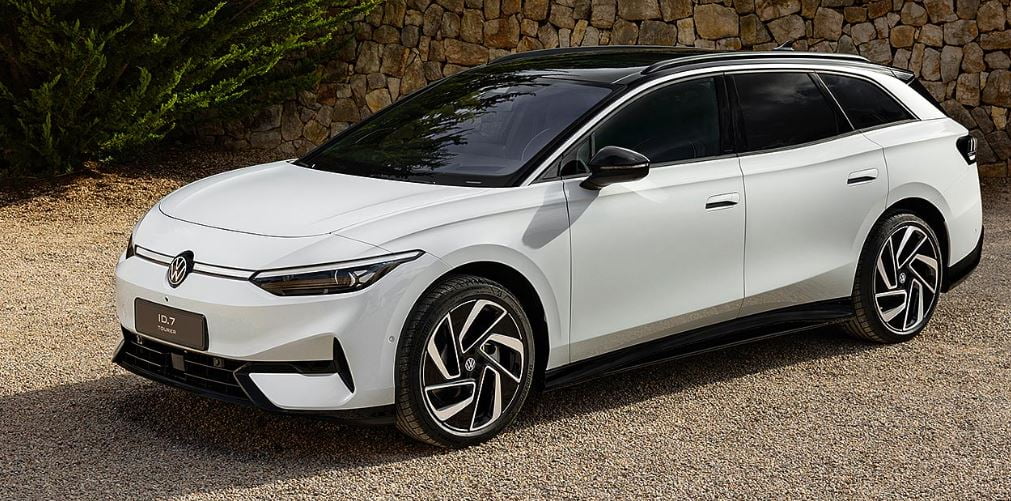
Just like smartphones, EVs improve quickly. Range increases every year, charging gets faster, and software updates add new features. This leads to a natural question for consumers: Why buy a 3-year-old EV if a new model offers 150 km more range and better charging for a similar price?
This fast pace of innovation makes older EVs feel obsolete, pushing down used prices.
2. Battery Degradation: A Fear Bigger Than the Reality
Battery health is the most important component of an EV. Even if modern batteries last longer than expected, many used buyers remain afraid of “worn-out” batteries.
Ask yourself: Would you buy a used EV if you weren’t 100% sure about its battery history?
This fear reduces demand in the used car market. In contrast, gasoline cars don’t have such a single, expensive component that scares buyers.
3. Flooded Markets: China’s EV Boom Is Driving Global Price Pressure
China produces more EVs than any country in the world. Automakers like BYD, Geely, and SAIC are exporting aggressively, and in many cases selling for less than Western rivals.
This raises another key question: If brand-new EVs from China are cheaper, why would global buyers pay more for older or used EVs?
As inexpensive models enter the market, used prices fall.
4. Falling Battery Costs Impact Used-Car Demand
Lithium prices have dropped sharply since 2023, and battery pack costs are falling too. That’s good for new EV buyers — but bad for used EV owners.
Because new EVs keep becoming cheaper, the used-car pricing curve collapses faster than it does for traditional cars.

5. Incentives and Tax Credits Distort the Market
In the US, Europe, and parts of Asia, new EVs often receive tax credits or subsidies. These lower the effective purchase price of new models, which reduces the attractiveness of used ones.
Think about it like this: If a new EV is only $2,000–$5,000 more than a used one — and comes with a full warranty — which would you choose?
Most consumers choose new, so used prices fall further.
6. Concerns About Long-Term Reliability
Gasoline cars have a century of reputation behind them. EVs are still young.
Consumers still ask:
How long will the battery last?
How much is a replacement pack?
Will future charging standards support older EVs?
These questions weaken the used EV market because uncertainty always pushes prices down.
7. Slower Demand Growth in Key Markets
EV demand is still rising globally — but slower than before. High interest rates, economic uncertainty, and competition from hybrids mean:
Fewer buyers
More supply
Lower prices
This is basic economics: oversupply = falling valuations.
8. Software Locks and Subscription Features Hurt Value
A surprising reason EVs lose value: software.
Some brands lock features behind subscriptions — heated seats, navigation, battery upgrades.
Imagine buying a used EV and learning key features are “paywalled.”
Would you still want it?
This lowers appeal and resale.
9. Range Anxiety Still Affects Used Buyers
Even though charging networks are improving, many global buyers still worry about:
Inconsistent charging standards
Slow chargers in rural areas
High fast-charging costs
Long queues at peak times
For a used EV with slightly lower range, these worries feel even bigger.
So, Should You Avoid Buying an EV?
Not at all — but timing matters.
EVs losing value is actually good for buyers:
Used EVs are now far cheaper
Many offer excellent range
Battery warranties often still apply
Software updates can improve functionality
So ask yourself:
Is a lower resale value a dealbreaker if you can buy a great EV for 40% less than new?
For many consumers, the answer is shifting toward no.
EVs are losing value because:
Technology moves too fast
Battery fears reduce demand
China’s competition is lowering global prices
New EVs are subsidized
Market growth is slowing
Consumers are unsure about long-term reliability
But falling prices may accelerate used EV adoption, which could be the next major wave in global electric mobility.