- Electric Vehicles
- Wuling
- Wuling Hongguang Mini EV
Wuling Hongguang Mini EV
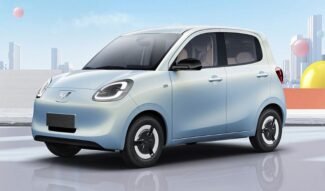


- Drive Type: RWD
- Body Type: 3-door hatchback (4 seats)
- Self Driving: None
- Airbags: Yes
PROS
- Extremely affordable EV with very low running costs
- Compact size ideal for city driving and tight parking
- Easy home charging via standard plug
- Low maintenance and simple mechanics
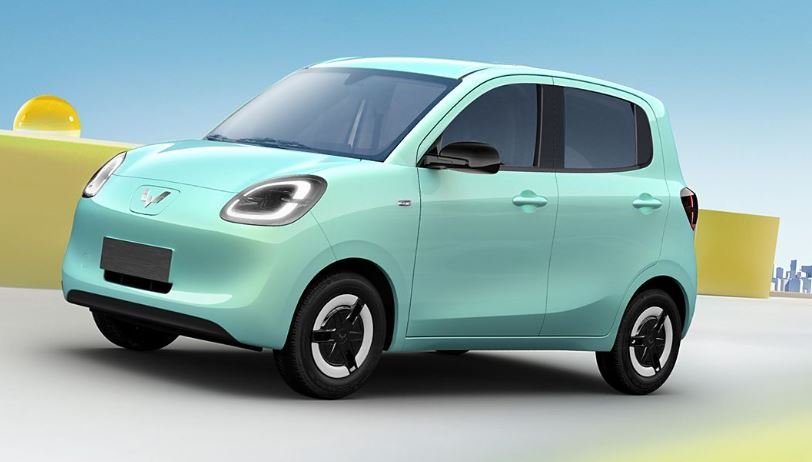
- Cute, trendy design (Macaron/GameBoy) versions
- Good range for city trips (up to 210 km CLTC)
- High sales reliability and proven urban record
CONS
- Limited top speed (100 km/h max)
- No fast charging or DC support
- Minimal safety features (few airbags, basic structure)
- Small trunk space with rear seats up
- Lacks modern infotainment options (no Android Auto/CarPlay)
- Not suitable for highways or long trips
- Basic interior quality and comfort
If you’ve ever searched for the cheapest electric car you can actually buy, this is the one that keeps topping the list. The 2026 Wuling Hongguang Mini EV is a fifth-generation refresh of the micro-EV that took China by storm, piling up over 1.85 million sales since 2020 and becoming the world’s best-selling tiny EV. It’s not flashy, and it won’t impress on a motorway. But as urban transport, it’s brutally effective — and that’s the whole point.
What exactly are you looking at?
The full name is Wuling Hongguang Mini EV, built by SAIC-GM-Wuling. It sits right at the entry level — this is as basic as the brand’s electric lineup gets. Body-wise, it’s a micro-segment five-door hatchback with four seats, front-wheel drive, and a single electric motor turning the front wheels. Nothing hybrid, nothing all-wheel-drive; just a straightforward city runabout. Its notability comes from scale: this wasn’t just the first truly mass-market micro-EV in China, it’s the nameplate that defined the whole segment and is now in its fifth generation with cumulative production numbers most mainstream EVs can only dream of.
Powertrain & charging — the numbers that matter day to day
Every version uses a lithium iron phosphate (LFP) battery pack from SAIC-GM-Wuling’s own supply chain. No unconfirmed leaks here — these are official specs for the 2026 model.
Smaller battery: 205 km of range on China’s CLTC cycle
Larger battery: 301 km CLTC
Real-world expectation: Roughly 130 miles (209 km) if you converted to an EPA-style figure — the CLTC number is optimistic, so treat it as a warm-weather, city-driving best case
AC charging (home or public slow charger): 3.3 kW onboard, Type 2 connector
DC fast charging: Peak rate 30 kW
Fast-charge benchmark: 30% to 80% in 35 minutes
Cold-weather help: A dedicated battery heating system is included to keep charging speeds from falling off a cliff in winter
The 30 kW peak isn’t quick by modern EV standards, but when the battery is this small, it’s enough to make a mid-errand top-up genuinely useful. If you have a wallbox at home, the low onboard AC rate is less of a problem — the car will fill up overnight without drama.
What it costs, who it’s for, and the cars you’ll cross-shop
Launch-market pricing (China):
205 km Advanced: 44,800 yuan
301 km Premium: 54,800 yuan
Subsidized entry price can dip as low as 42,800 yuan (about $6,190)
That sub-$7,000 starting point is the entire story. This car exists for buyers who don’t care about 0–60 times or road-trip capability. The realistic buyer profile is an urban commuter or first-time car owner in a Chinese tier-2 or tier-3 city, where parking is tight, trips are short, and running costs matter more than badge appeal. It also gets scooped up in bulk by city logistics fleets and local ride-hailing operators who just need cheap, reliable miles.
Where it sits inside the Wuling family
The Hongguang Mini EV is the absolute entry point. Move one step up and you’ll find the Wuling Air EV — a slightly more polished two-door city car priced around 214 million Indonesian rupiah ($13,900) in markets like Indonesia. Above that, the Wuling Binguo EV (Bingo) stretches into proper compact-hatchback territory with more range and power, starting from roughly 65,000 yuan in China. So Mini EV → Air EV → Binguo is the natural upgrade ladder within the brand.
External rivals you’ll see in every comparison search
The micro-EV space under 10,000 yuan is crowded, but two names keep coming up. The Geely Panda Mini EV runs from 46,900 to 53,900 yuan with up to 200 km of range from a 17 kWh LFP pack — a near clone in philosophy. The Chery QQ Domi (QQ3) offers roughly 300 km of range and a choice of 58 kW or 90 kW motors, though pricing sometimes pushes a touch higher.
Then there’s the one everyone compares directly:
Wuling Hongguang Mini EV vs. BYD Seagull —
so it’s a step up in price, but it’s the car most Mini EV shoppers also research. You get a 30.1 kWh or 38.9 kWh battery, CLTC ranges of 305 km or 405 km, more interior space, and BYD’s Blade battery. The Seagull is the default “should I spend a bit more?” alternative — slightly larger, longer-legged, but still well under that 10,000-yuan psychological barrier. For search engines matching “Hongguang Mini EV vs Seagull,” the trade-off is price versus everyday range, with the Wuling winning on absolute affordability and the BYD pulling ahead whenever buyers need a little extra breathing room.
In short, the 2026 Hongguang Mini EV doesn’t pretend to be anything it’s not. It’s a minimalist electric appliance for getting around town, priced so aggressively that it creates its own demand. If you’re cross-shopping, the decision tree almost always ends with one honest question: how far do you really need to go on a single charge?
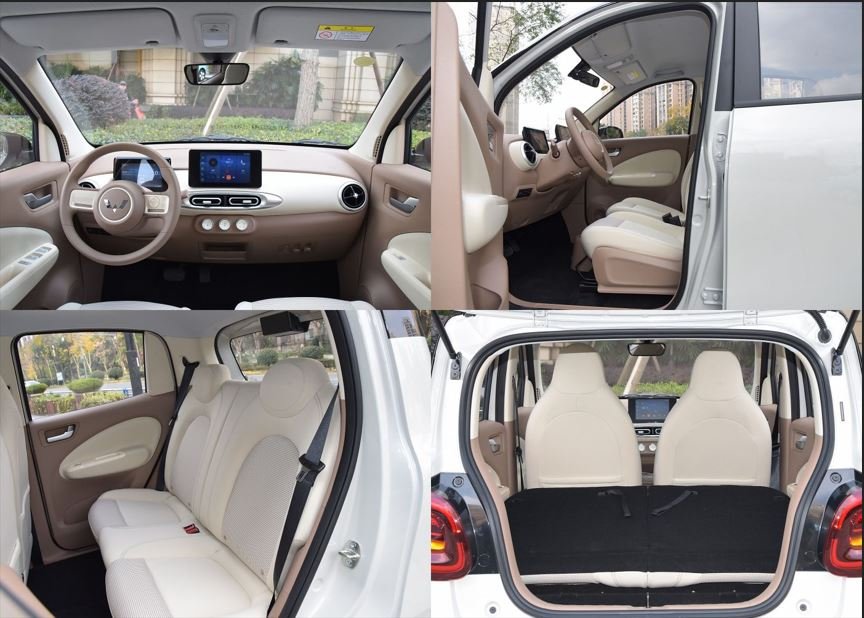
Wuling Hongguang Mini EV Images
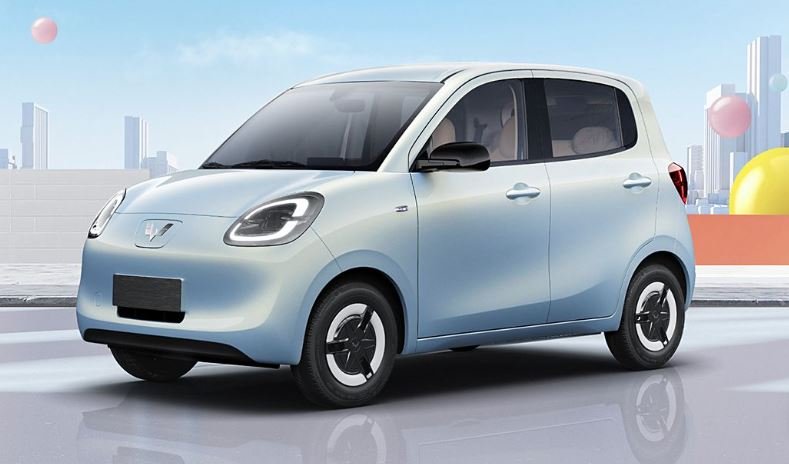
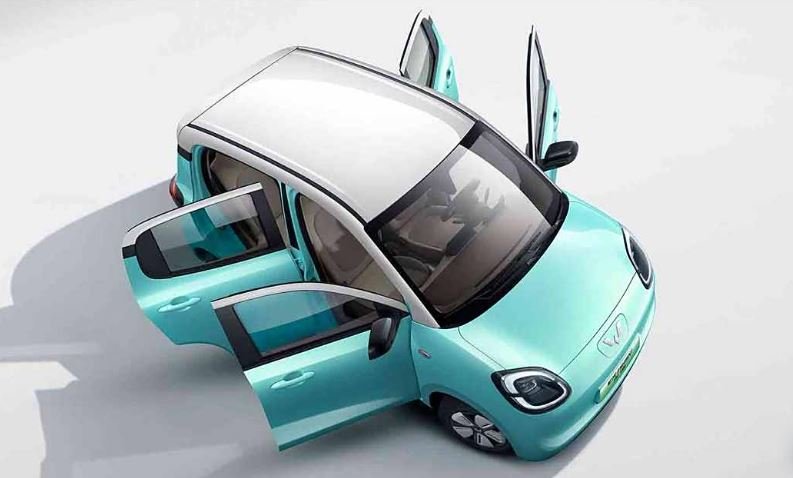
Full Electric Vehicle Specifications
MODEL
| Available Trims / Variants | Models: Mini EV, Mini EV Macaron, Mini EV GameBoy Edition |
LAUNCH
| Reveal Date | 2020 |
| Availability Status | In production |
| Country of origin | China |
| Base Price (USD) | Starting around $5,000 |
BATTERY
| Battery Capacity | 9.3 / 13.9 / 17.3 kWh |
| Battery Chemistry | LFP (Lithium Iron Phosphate) |
| Range (WLTP/CLTC/EPA) | (mi WLTP) 75–130 miles (120–210 km CLTC) |
| Energy Consumption | 10–12 kWh/100 km |
| Regen Braking (Max kW) | Regenerative braking |
| Heat Pump | |
| AC Charging (Max kW) | 6.5 hours (220V standard) |
| Additional Notes | Simple plug-in home charging |
PERFORMANCE
| Power Output (kW / hp) | 27–41 HP; Rear-wheel drive |
| Torque (Nm) | 85 Nm |
| 0–100 km/h / 0-60 mph (seconds) The acceleration numbers are an easy way to compare car performance. We list either time from 0 to 100 km/h or time from 0 to 60mph, depending on which number(s) the manufacturers provide. The lower the acceleration time, the higher performance the car is. | 20 sec (0–100 km/h, estimated) |
| Top Speed (km/h / mph) | 62 mph (100 km/h) |
BODY
| Body Style | 3-door hatchback (4 seats) |
| Platform / Architecture | SGMW electric micro platform |
| Dimensions (L×W×H mm) | (L×W×H): 2,917 × 1,493 × 1,621 mm |
| Drag Coefficient (Cd) | 0.38 |
| Wheelbase (mm) | 1,940 mm |
| Ground Clearance (mm) | 125 mm |
| Kerb Weight (kg) | 665–760 kg |
| Suspension (Front / Rear) | Front MacPherson / Rear Leaf Spring |
| Wheel Size (inches) | 12–13 inch steel/alloy |
| Trunk/Boot Capacity (L) | 74–741 L (rear seats folded) |
| Additional Notes | Extremely compact turning radius (~4.2 m) |
SAFETY
| Airbags (count) | Driver + passenger (on select trims) |
| Driver Assistance (ADAS) | ABS, EBD, tire pressure monitoring |
| Crash Test Ratings | Meets local safety standards (basic rating) |
COMFORT
| Seating Capacity | 4 cloth seats, folding rear bench |
| Roof Type | Optional two-tone design |
| Bluetooth / Wi-Fi | Bluetooth, USB; no Android Auto/CarPlay |
| Parking Aids | Rear sensors, optional reverse camera |
| Additional Notes | Manual windows on base trim, A/C standard on higher trims |
DISPLAYS
| Centre Screen (inches) | Basic infotainment (8-inch touchscreen on GameBoy Edition) |
| Driver's Display (inches) | 7-inch digital instrument cluster |
| Additional Notes | Simple layout, physical controls |
LIGHTING
INFOTAINMENT & AUDIO
TECHNOLOGY
OWNERSHIP
Note
| Additional Notes | China’s best-selling micro EV; perfect for tight city spaces and daily short-range commutes. |
User Reviews
Disclaimer Note
Specifications sourced from manufacturer data and may reflect WLTP, CLTC, or EPA test conditions. Import prices in your local are estimates based on grey-market landing costs and exclude duties, clearing fees, and local taxes. Figures are subject to change without notice. Always verify with your local importer before purchase. We can not guarantee that the information on this page is 100% correct