Our Rating
The overall rating is based on review by our experts
PERFORMANCE
5 / 10
BATTERY
7 / 10
BODY
3 / 10
DISPLAYS
5 / 10
COMFORT
6 / 10
SAFETY
7 / 10
PROS
- A turning circle of just 6.95m — significantly tighter than the Toyota Aygo X at 9.4m and the Renault 5 at 10.3m — gives it a genuine city manoeuvrability advantage no rival in the segment currently matches.
- The targeted ~300km WLTP range is more than double the 84 miles the EQ ForTwo managed, alongside a sub-20-minute 10–80% DC charge time
- V2L capability on a microcar adds real-world utility — power tools, devices, or camping gear — that few cars in this size class offer.
CONS
- At a targeted ~186 miles WLTP, range falls short of the Renault 5 (252 miles) and Hyundai Inster (229 miles), two rivals the #2 will compete directly against at similar price points.
- The Concept #2 is confirmed for Europe only at launch — no plans have been announced for Africa, the Middle East, or most Asian markets, and grey-market import prospects
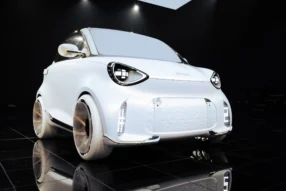
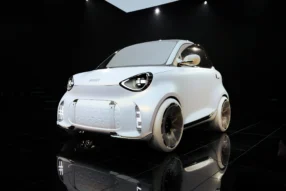
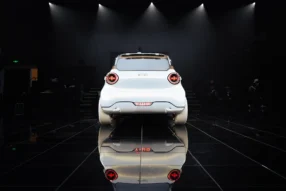
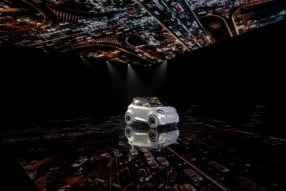
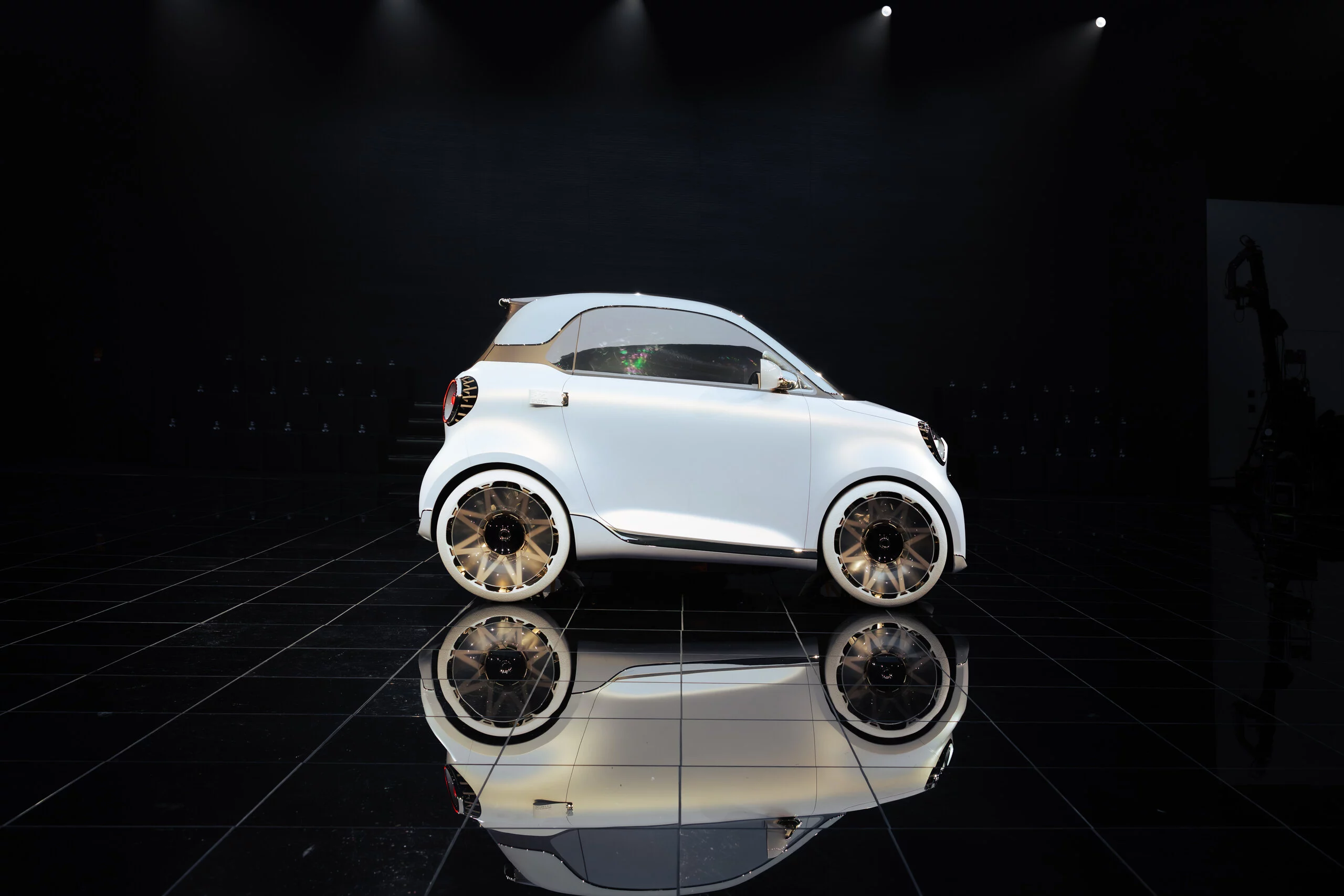
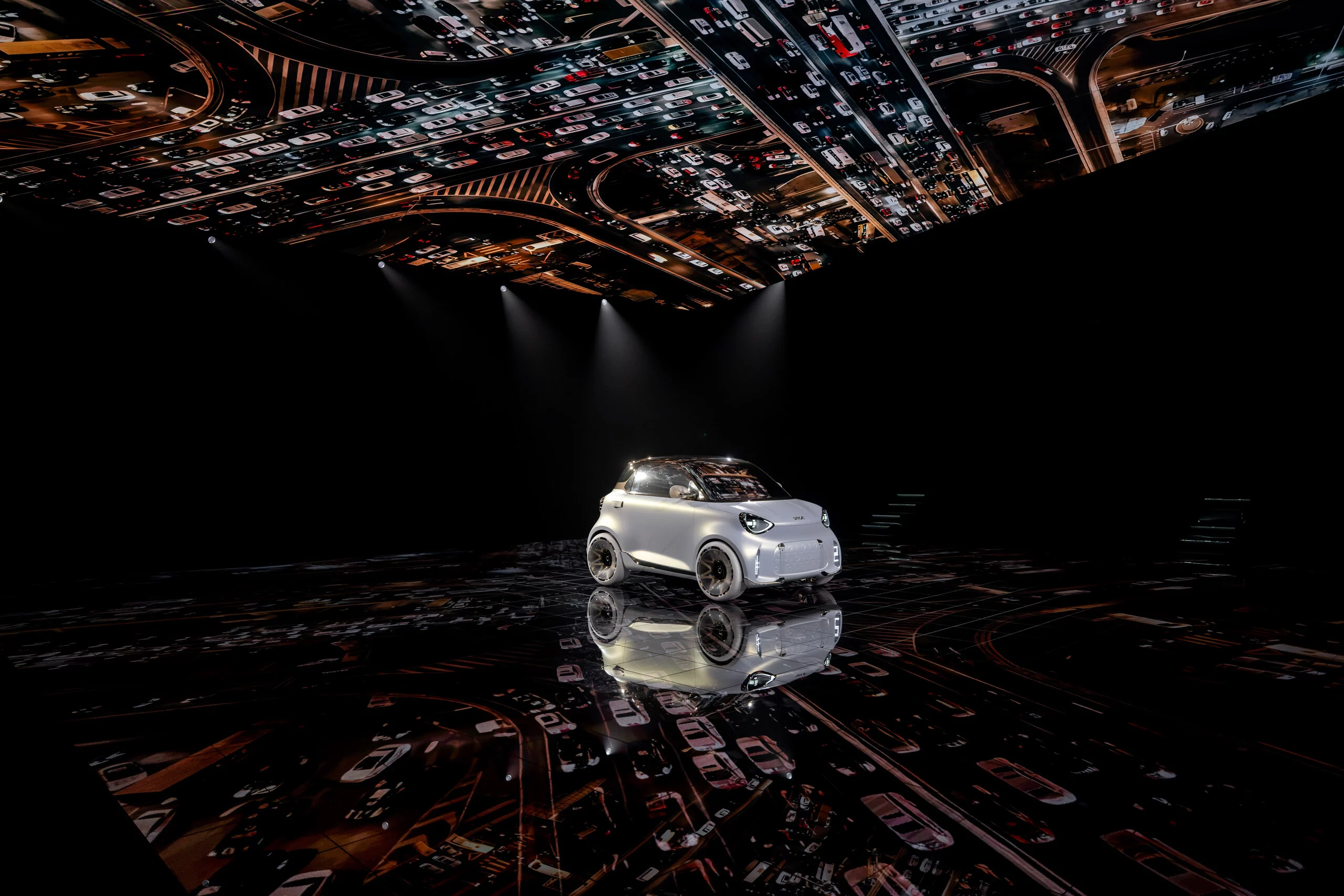
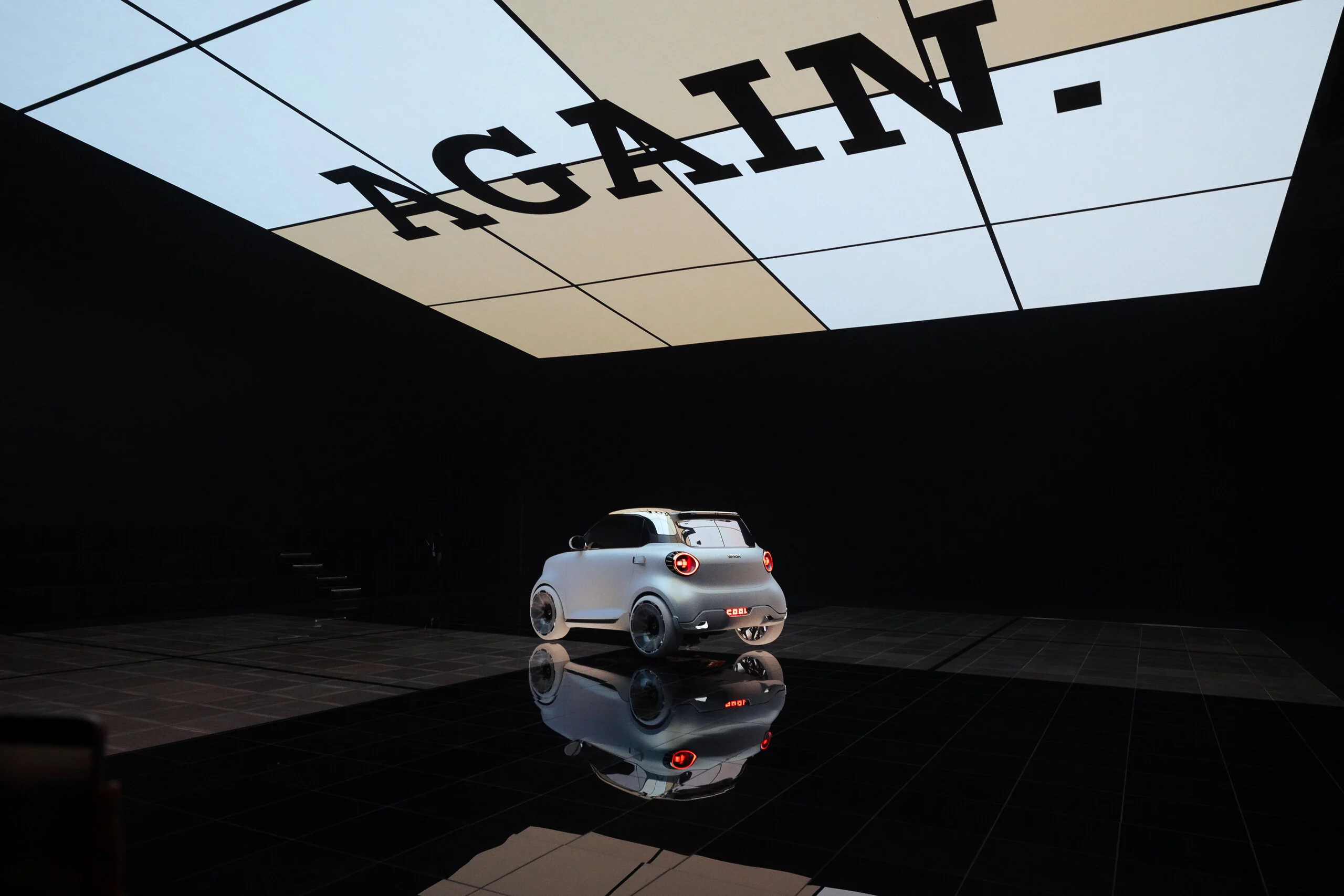
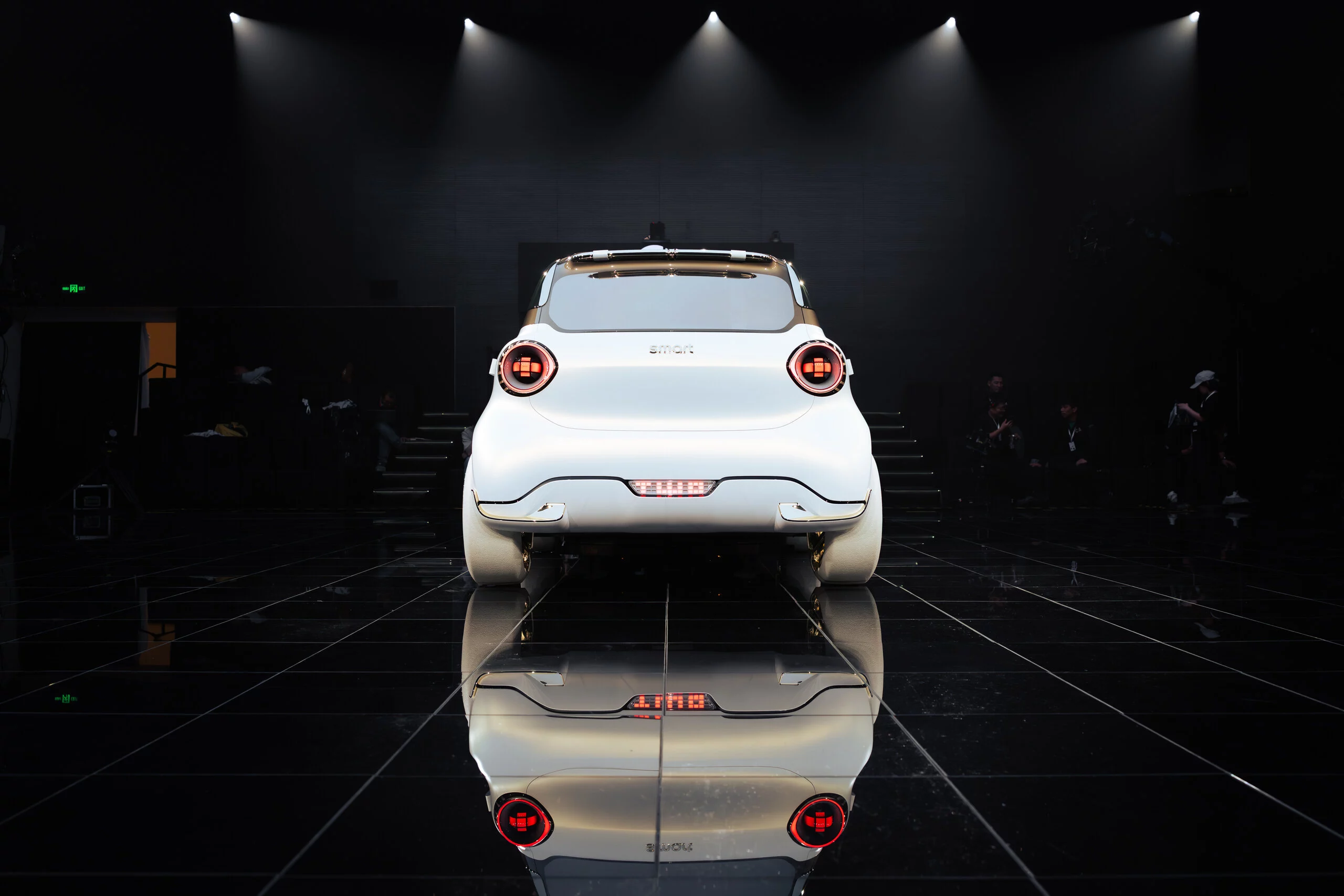
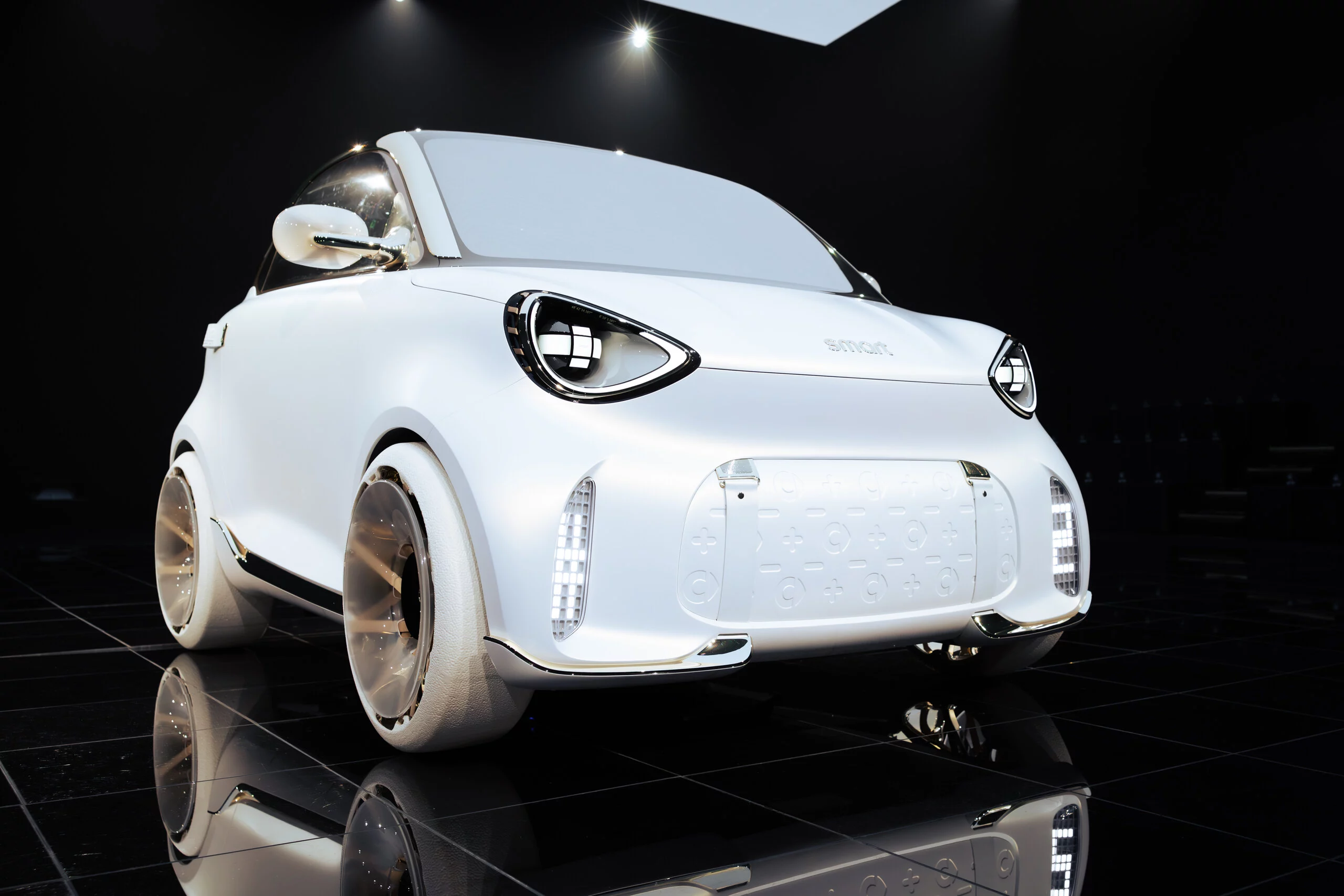
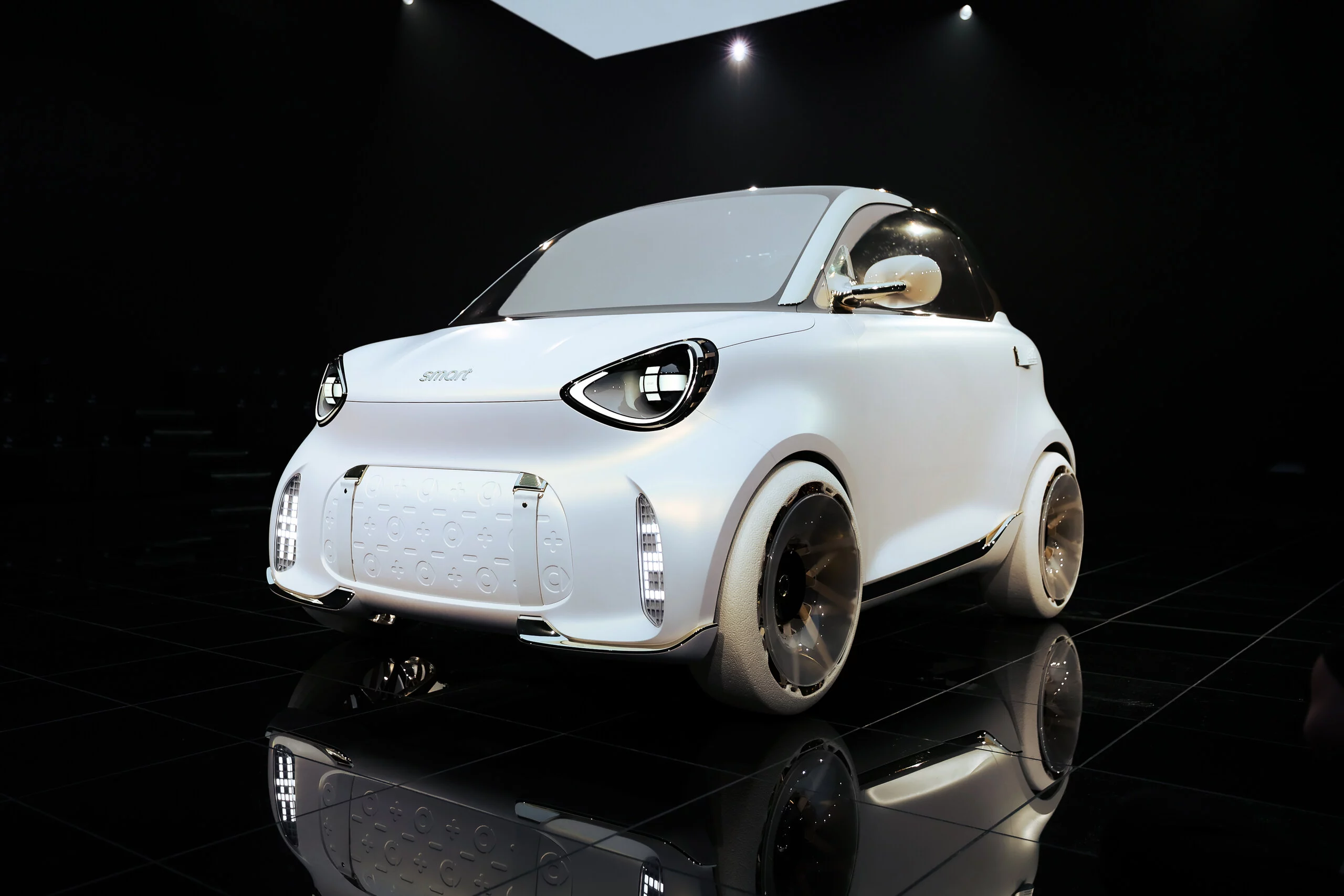
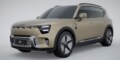
The Smart Concept #2 is a two-seater electric microcar developed by Smart Automobile, the joint venture between Mercedes-Benz AG and Geely Holding Group. It serves as a close preview of a tiny urban EV set to arrive later in 2026, designed as a direct successor to the EQ ForTwo, which was discontinued in 2024. It occupies the entry-level position in Smart’s lineup, sitting below the #1 and #3 crossovers. Built on Smart‘s all-new proprietary Electric Compact Architecture (ECA), which was co-developed with input from Mercedes-Benz, the Concept #2 marks the brand’s return to the ultra-compact segment it originally defined — and is the first model in the current Smart generation to use this new dedicated platform.
Battery capacity has not been officially confirmed, though rumours suggest the #2 will use a battery pack just over 30 kWh, targeting an impressive range figure of around 200 miles. Smart’s official figures from the concept stage point to a driving range of nearly 300 kilometres (186 miles) on the WLTP cycle and a 20-minute DC fast charging time from 10% to 80% state of charge — these are targeted figures from preview materials, not confirmed production specifications. AC onboard charging rate has not been disclosed. V2L (Vehicle-to-Load) capability is also confirmed for the concept and is expected to carry over to the production model. Drivetrain layout has not been officially confirmed, though it is likely the #2 will stick to the RWD layout of its rear-engined predecessors.
Production debut is confirmed for the Paris Motor Show in October 2026, with UK sales expected from early 2027 and a starting price as low as £20,000. AC onboard charging rate, battery capacity, and final WLTP figures remain unconfirmed at this stage. No pricing has been announced for other European markets, and no equivalent NGN, KES, or ZAR pricing is available given the model is not targeting African markets at launch. The #2 suits urban-only buyers — a solo commuter or couple seeking a compact, manoeuvrable city EV with minimal running costs. Within the Smart lineup, it sits below the Smart #1 subcompact electric crossover and the Smart #3 compact electric crossover. External rivals at comparable price and segment positioning include the Renault 5 and the Hyundai Inster. The closest direct comparison model for spec and pricing is the Renault 5, which offers up to 252 miles of range and targets a similar urban buyer at a similar entry price point.
Smart Concept #2 Pictures