The fastest-growing EV company in 2026 is Leapmotor, whose global deliveries jumped 94.5% year-on-year in June and 60.8% across the first half of the year — outpacing every other major automaker on relative growth. Right behind it: Zeekr, up 111% year-on-year in June alone, and Nio, up 62.9%. These aren’t the biggest EV makers by volume — that’s still BYD and Tesla — but they’re the ones growing fastest off a smaller base, and that’s reshaping who gets talked about next. Below, we break down the growth-rate leaders, the volume leaders, the comeback stories, and the names losing ground, with the delivery numbers behind each one.
Quick Summary Box
- Fastest H1 2026 growth rate: Leapmotor, up 60.8% year-on-year (356,487 units delivered in H1)
- Fastest single-month growth: Zeekr, up 111% year-on-year in June 2026
- Steepest volume climb overall: Leapmotor, nearly tripling monthly deliveries from ~32,000 in January to 93,376 in June
- Fastest ramp from a standing start: Xiaomi EV, holding above 30,000 monthly deliveries for three straight months
- Losing ground: Li Auto and Huawei-backed HIMA both posted year-on-year declines mid-year, even as the rest of the sector accelerated
How We’re Defining “Fastest-Growing”
“Fastest-growing” and “biggest” are two different rankings. BYD and Tesla still move the most cars globally, but their year-on-year growth rates are modest by comparison — BYD’s overall June sales grew just 5.46%. The companies below are ranked by growth rate: how fast deliveries are climbing compared with the same period last year, using the most recently reported figures as of July 2026. All figures come from company delivery reports and industry trackers; guidance targets are company-stated projections, not confirmed outcomes.
Leapmotor — The Steepest Growth Curve in the Industry
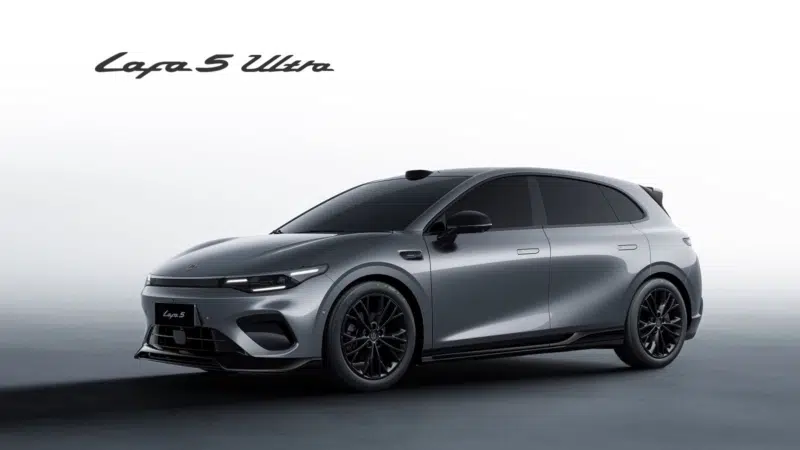
Leapmotor, backed by Stellantis, delivered 93,376 vehicles globally in June 2026, a 94.5% increase over the same month last year and a new monthly record. That capped six straight months of month-on-month growth, with deliveries nearly tripling from roughly 32,000 units in January to over 93,000 in June. First-half 2026 deliveries reached 356,487 units, up 60.8% year-on-year.
The company has set a full-year target of 1 million units. At current pace it has completed only about 35.6% of that goal at the halfway mark, and Chairman Zhu Jiangming has acknowledged the target is “challenging” while maintaining it’s achievable. Whether Leapmotor closes that gap in H2 remains unconfirmed.
Why It’s Growing So Fast
Leapmotor’s growth is coming from an aggressive lineup expansion across affordable and mid-range segments, paired with Stellantis’s manufacturing and distribution backing for international expansion beyond China.

Zeekr — The Premium Segment’s Biggest Riser
Zeekr, Geely’s premium EV brand, posted the sharpest year-on-year growth of any established player in June 2026: 111%, on 35,169 units delivered. That’s the brand’s fourth straight month above 33,000 units. First-half cumulative deliveries reached 178,370 units, up 97% year-on-year, pushing total cumulative deliveries past 821,259 by the end of June.
Zeekr’s growth stands out because it’s happening in the premium segment, where competition from Li Auto and Huawei-backed brands has been intense enough to push both of those rivals into year-on-year decline over the same period.
Nio — Multi-Brand Strategy Paying Off
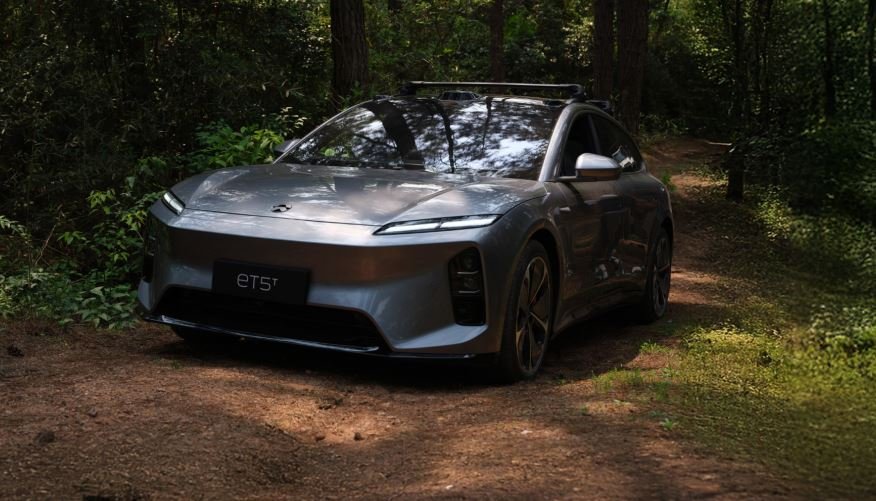
Nio delivered 40,597 vehicles in June 2026, up 62.9% year-on-year and its strongest month of the year, split across three sub-brands: Nio (21,908 units), Onvo (11,743 units), and Firefly (6,946 units). First-half cumulative deliveries reached 191,123 units, a record high, up 67.4% year-on-year.
Second-quarter deliveries of 107,658 units came in slightly below the low end of Nio’s own guidance range of 110,000–115,000, even with the year-on-year growth. The multi-brand approach — spreading Nio across premium, mid-market (Onvo), and compact (Firefly) segments — appears to be the main driver of its broadened growth base.
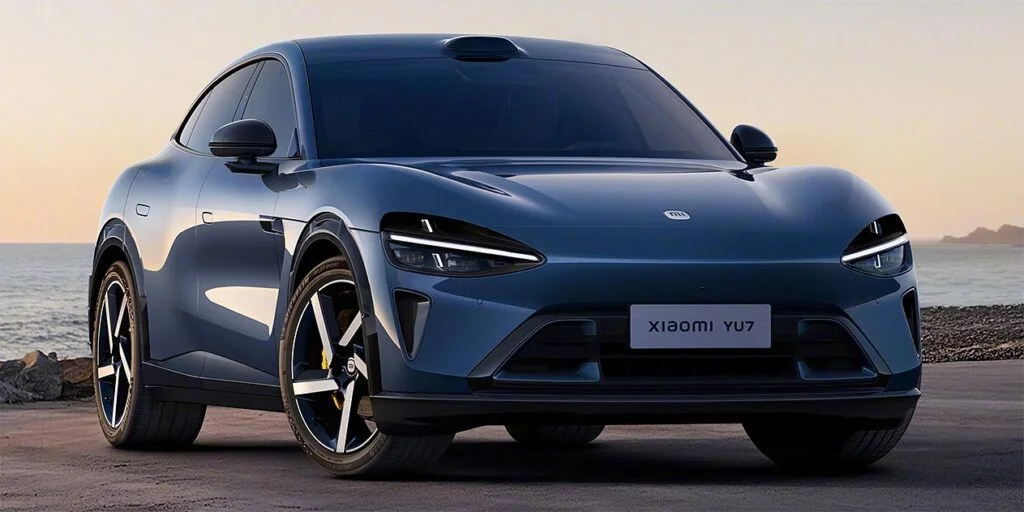
Xiaomi EV — The Fastest Ramp From Zero
Xiaomi EV doesn’t publish detailed model-level breakdowns, but it has now held above 30,000 monthly deliveries for three consecutive months as of June 2026, driven substantially by its YU7 model. Xiaomi’s disclosure is limited compared with other automakers, so a precise year-on-year growth percentage is not confirmed — but the sustained climb from a standing start (Xiaomi’s first EV only launched in 2024) makes it one of the fastest ramps in the industry by any measure.
Xiaomi’s growth is notable because it’s arguably taking share directly from Li Auto and other premium NEV players, according to industry coverage of the mid-2026 delivery data.
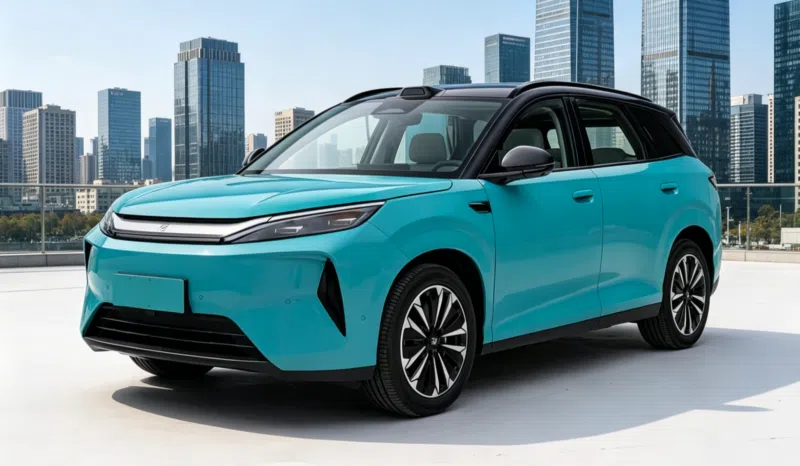
BYD — Slower at Home, Surging Overseas
BYD remains the largest EV maker by volume, but its growth story in 2026 is really two stories. Domestically, June sales rose just 5.46% year-on-year, its second straight month of domestic growth after an earlier stretch of decline. Overseas, the picture looks completely different: June overseas sales hit a record 175,349 units, up 94.73% year-on-year, and now account for over 43% of BYD’s total monthly volume.
Across the first half of 2026, BYD delivered 1.81 million passenger vehicles, including 789,400 units shipped overseas — about 43.6% of total volume. The company has guided to full-year sales of 5.0–5.5 million NEVs; H1 completion sits at roughly 33–36% of that range. Full-year guidance is company-stated and not yet confirmed by actual results.
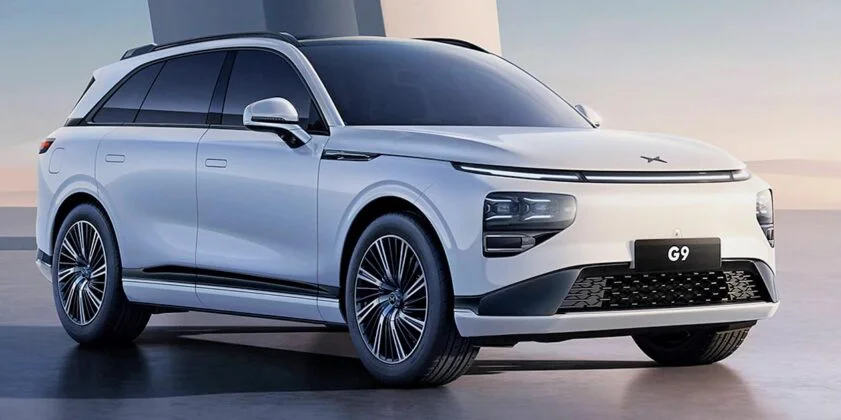
XPeng — The Rebound Story
XPeng delivered 40,126 vehicles in June 2026, up 15.9% year-on-year — its first year-on-year increase after five consecutive months of decline. The rebound was driven largely by its new GX flagship SUV, which delivered 6,739 units in its first full month on sale. XPeng’s second-quarter total of 103,295 units landed within its guided range of 100,000–106,000, and marked the first time the company topped 100,000 quarterly deliveries. XPeng’s growth rate is modest next to Leapmotor or Zeekr, but the trend line — a return to growth after a losing streak — makes it worth watching through the second half of the year.
Who’s Losing Ground
Not every established name is riding the same wave. Li Auto delivered 30,895 vehicles in June, down 14.84% year-on-year and its second consecutive monthly decline, as new entrants like Xiaomi and Onvo eat into its premium positioning. Huawei-backed HIMA delivered 50,624 vehicles in June — a 9.7% month-on-month gain, but first-half growth of only 18.6% year-on-year, trailing the growth rates of Leapmotor, Zeekr, and Nio by a wide margin.
Comparison Table: Growth Rates and Deliveries (H1 2026)
| Company | June 2026 YoY Growth | H1 2026 YoY Growth | H1 2026 Deliveries | Standout Driver |
|---|---|---|---|---|
| Zeekr | +111% | +97% | 178,370 | Premium segment momentum |
| Leapmotor | +94.5% | +60.8% | 356,487 | Lineup expansion, Stellantis backing |
| Nio | +62.9% | +67.4% | 191,123 | Three-brand segment spread |
| Xiaomi EV | Not disclosed | Not disclosed | 30,000+/month (3 straight months) | YU7 demand from a standing start |
| BYD (overseas) | +94.7% | Not disclosed (H1 overseas: 789,400 units) | 1.81M total | International expansion |
| XPeng | +15.9% | Not disclosed (Q2: 103,295) | — | GX flagship SUV launch |
| HIMA | Not disclosed | +18.6% | 240,000 | Shangjie Z7/Z7T models |
| Li Auto | -14.84% | Not disclosed (Q2: 98,330) | — | Declining, new L8/L6 refresh underway |
Bottom Line
If you’re ranking by growth rate rather than raw volume, Zeekr and Leapmotor are the two companies to watch in 2026 — both posting triple-digit or near-triple-digit year-on-year gains while premium rivals like Li Auto and HIMA lose ground. BYD’s story is really about overseas expansion rather than domestic growth, and Xiaomi’s steady climb from zero makes it the ramp-up story worth tracking into 2027. None of these growth rates are guaranteed to hold through the second half of the year, so treat full-year targets as guidance, not fact, until confirmed.