Yes — for most small businesses running local delivery, service, or trade routes, switching to electric vehicles in 2026 now pays for itself within 3–5 years, mainly through lower fuel and maintenance costs. But “most” isn’t “all,” and the math changes fast depending on your daily mileage, charging access, and vehicle class. A high-mileage delivery van looks very different from an occasional-use pickup on a rural route. Below, we break down the real total cost of ownership, the commercial EV models actually available to small operators this year, the incentives still on the table, and the specific business profiles where switching still doesn’t make sense yet.
Quick Summary Box
| Key Takeaway | Details |
|---|---|
| Cost payback window | Typically 3–5 years for vehicles driving 15,000+ miles/km annually |
| Best-fit businesses | Local delivery, trades/services, ride-hail, last-mile logistics |
| Biggest saving | Fuel/energy cost per mile is roughly 40–60% lower than gasoline |
| Biggest risk | Upfront vehicle cost and depot charging infrastructure spend |
| Incentive status | Commercial EV tax credits vary significantly by country and are subject to change — verify current eligibility before purchase |
Why 2026 Is a Different Conversation Than 2022–2023
Commercial EV adoption stalled for a couple of years while businesses waited out high sticker prices and thin charging networks. Two things have shifted since then: battery costs have continued their multi-year decline, and several manufacturers now have dedicated commercial EV lineups (rather than converted passenger models) built specifically around payload, uptime, and fleet telematics.
That doesn’t mean every small business should switch today. It means the decision is now genuinely close enough to run the numbers on, rather than an easy “wait and see.”
What Changed in the Underlying Economics
- Battery pack costs have continued to fall, pulling upfront EV van/truck pricing closer to internal combustion equivalents.
- Public fast-charging networks have expanded along commercial corridors, reducing range anxiety for regional delivery routes.
- Several automakers now offer commercial-specific EV trims with fleet management software bundled in, which was rare three years ago.
The Real Cost Comparison: EV vs. Gas for a Small Fleet
The upfront price of a commercial EV is still usually higher than a comparable gas or diesel vehicle. The case for switching rests on total cost of ownership (TCO) — the combined cost of the vehicle, energy, maintenance, and resale value over a typical 5-year ownership period.
Where EVs Win
- Energy cost per mile: Electricity, even at commercial rates, is consistently cheaper per mile than gasoline or diesel across most markets.
- Maintenance: No oil changes, fewer moving parts, and regenerative braking that extends brake life — commercial EV owners commonly report meaningfully lower scheduled maintenance costs.
- Depreciation on newer models: Recent-generation commercial EVs are holding resale value better than early models did, though this is still a shorter track record than gas vehicles.
Where Gas Still Wins (For Now)
- Upfront purchase price: Still higher for most EV vans and trucks in equivalent capability tiers.
- Refueling speed on long routes: A diesel van refuels in minutes; DC fast charging still takes longer, which matters for high-mileage, multi-stop-per-day operations.
- Charging infrastructure cost: Installing depot charging (multiple Level 2 or DC fast chargers) is a real upfront capital cost that a gas fleet simply doesn’t have.
Which Small Businesses Benefit Most
Local Delivery and Courier Services
Predictable daily routes under 150 miles/240 km, return-to-base charging overnight, and high daily mileage make this the strongest fit. Fuel savings compound fastest here.
Trades and Field Services (HVAC, Plumbing, Electrical)
Moderate daily mileage with home or depot charging overnight works well, though payload and tool storage needs must match the specific van model — not every EV van matches diesel cargo volume yet.
Ride-Hail and Local Transport
High daily mileage makes fuel savings the biggest lever, but reliance on public charging (rather than depot charging) can eat into time savings if fast chargers are scarce in the operating area.
Where It’s Still a Harder Sell
Long-haul regional trucking, businesses without any reliable overnight charging access (street parking only), and very low-mileage vehicles (under 5,000 miles/year) where fuel savings are too small to offset the higher purchase price.
Commercial EV Options Available to Small Businesses in 2026
Pricing and specs below are manufacturer-published figures and are subject to trim, region, and configuration changes — confirm current figures with the manufacturer or dealer before purchase decisions.
| Model | Est. Range (WLTP/EPA) | Cargo/Payload | Est. Starting Price (USD) | Best For |
|---|---|---|---|---|
| Ford E-Transit | ~126 miles (EPA) | Up to 4,290 lbs payload | ~$51,000 | Delivery, courier fleets |
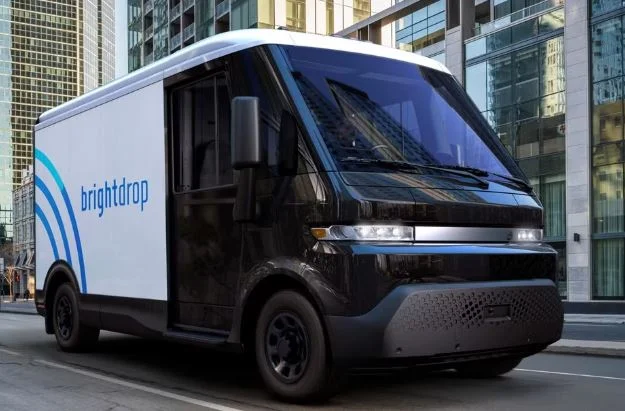
| BrightDrop Zevo 600 | ~250 miles (EPA) | Up to 663 cu ft cargo | ~$78,000 | Larger last-mile logistics |
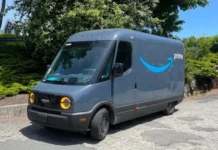
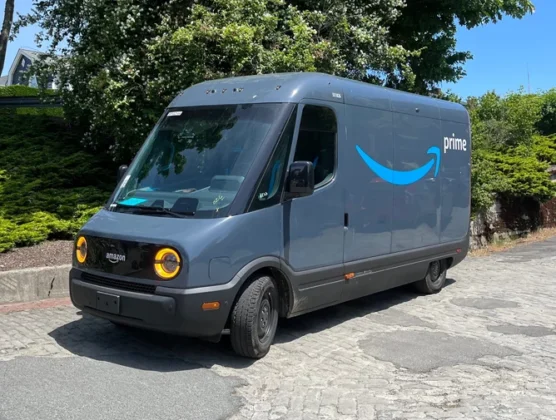
| Rivian Commercial Van (RCV) | ~150–200 miles (EPA, varies by pack) | Modular cargo configs | Fleet-quote only (not listed retail) | Enterprise/last-mile logistics |
| Nissan e-NV200 (select markets) | ~124 miles (WLTP) | ~4.2 m³ cargo | ~€45,000 | Small urban delivery, trades |
| Maxus eDeliver 9 | ~205 miles (WLTP) | Up to 1,250 kg payload | ~£45,000 | Mid-size delivery fleets |
Note: Availability varies significantly by country. Not all models listed above are sold in every global market.
Incentives and Financing: What’s Actually Available in 2026
Commercial EV incentives are one of the fastest-moving parts of this decision. Tax credits, purchase rebates, and depot-charging infrastructure grants differ by country and are frequently revised. Before budgeting around an incentive, confirm current eligibility directly with your local tax authority or an accountant — do not rely on last year’s figures.
Generally, small businesses evaluating incentives should check for three categories: commercial vehicle purchase tax credits, charging infrastructure installation grants or rebates, and reduced registration/road tax rates for zero-emission commercial vehicles. Availability and value of each varies widely by country and even by region within a country.
Charging Infrastructure: The Cost Businesses Often Underestimate
A single Level 2 depot charger installation, including electrical panel upgrades, commonly runs into several thousand dollars per unit depending on site conditions — before accounting for the vehicle itself. Businesses planning a fleet-wide switch should get a site electrical assessment before finalizing vehicle orders, not after. Underestimating this line item is one of the most common reasons small business EV transitions run over budget.
Bottom Line
For small businesses with predictable, moderate-to-high daily mileage and reliable overnight charging access — local delivery, courier, and field service operations especially — switching to electric in 2026 is now a financially sound decision within a 3–5 year payback window. For low-mileage operators, long-haul routes, or businesses without depot or home charging access, it’s still worth waiting or piloting with a single vehicle before committing a full fleet.