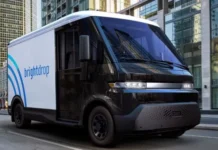
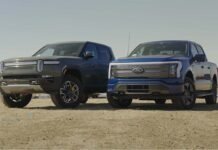
The best electric delivery vans for 2026 depends on one trade-off: range or payload, because almost no van leads on both. Chevrolet’s BrightDrop 600 posts the longest range in the segment at up to 272 miles (EPA-rated, long-range pack), while the Rivian Commercial Van and Maxus eDeliver 9 carry more weight per trip. Ford’s E-Transit remains the value benchmark, and Mercedes’ updated eSprinter closes the range gap that hurt its earlier version.
There is no single winner here — a courier running dense city loops has different priorities than a regional parcel operator doing 150-mile mixed routes. Below, we break down range, payload, charging speed, and total cost of ownership for six of the leading electric delivery vans on sale in 2026, so you can match the van to the route rather than the marketing sheet.
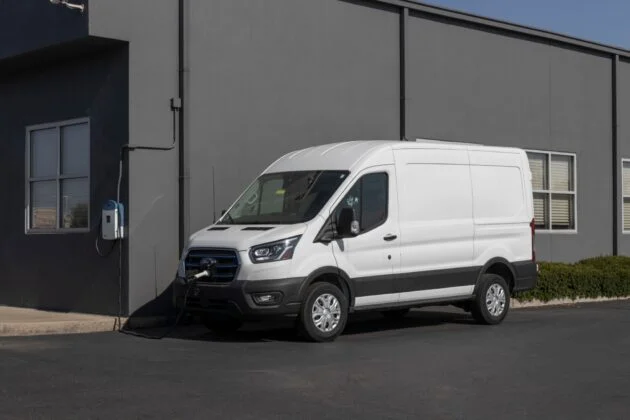
Quick Summary Box
- Longest range: Chevrolet BrightDrop 600 (up to 272 miles, EPA-rated, long-range pack)
- Highest payload: Rivian Commercial Van 500-Series (2,734 lb / 1,240 kg)
- Lowest entry price: Ram ProMaster EV cargo van (from $58,490)
- Fastest DC charging in this group: Ford E-Transit (100 kW, supports ~70 miles added in 10 minutes on compatible European-spec models) figure applies to UK/EU-spec E-Transit; confirm US-spec charging rate with your dealer
- Best fit for cold-climate fleets: Mercedes eSprinter, with active thermal battery management standard for 2026
Why Range and Payload Rarely Peak Together
Every electric van is a battery-versus-cargo compromise. A bigger pack adds range but also adds weight, and that weight comes directly out of the payload allowance since gross vehicle weight rating (GVWR) is fixed by axle and tire limits. This is the single most important thing to understand before comparing spec sheets: a van advertised with a “long-range” battery option will almost always carry less than the same van’s standard-range version.
For delivery and courier fleets, this means the right van is a function of your actual duty cycle — not the headline range number. A 150-mile round trip with a light parcel load needs a very different van than a 60-mile grocery or pharmacy route carrying refrigeration equipment and shelving.
Range: What the Manufacturers Claim vs. What Fleets See
Manufacturer range figures — whether EPA (US) or WLTP (Europe/UK) — are measured under controlled conditions for Best Electric Delivery Vans: mild weather, low accessory use, and often a lighter-than-typical load. In real parcel operations, with HVAC running, frequent stop-start driving, and a fuller cargo bay, fleets should plan for 20–30% less than the rated figure.
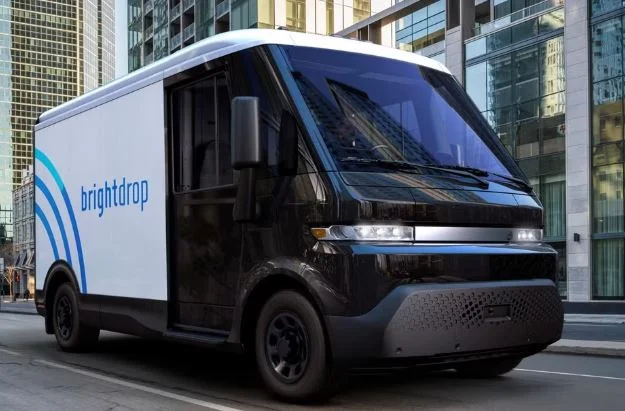
- Chevrolet BrightDrop 600: up to 272 miles EPA on the long-range dual-motor pack, the current class leader for range.
- Ford E-Transit: UK/EU-spec models are rated up to 249 miles WLTP on the largest battery. US-spec EPA range for cargo-van configurations is typically lower than the WLTP figure — confirm the specific trim before ordering.
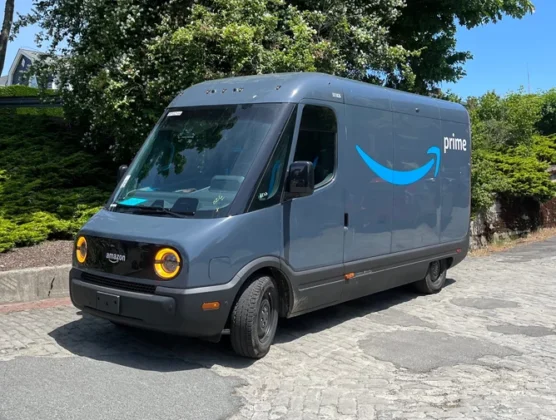
- Rivian Commercial Van (RCV 500/700): both variants sit in the 153–161 mile EPA range, prioritizing efficiency and torque over raw range.
- Mercedes eSprinter: the redesigned 113 kWh pack delivers up to 271 miles WLTP, a major jump from the previous generation’s sub-100-mile real-world range.
- Ram ProMaster EV: specific 2026 EPA range figures vary by cargo length and roof height; the 2024–2025 models landed in the 150-mile range band.
Payload: The Number Fleets Actually Live By
Payload capacity determines how many stops a route can realistically cover before a van needs to return to depot, and it’s the spec most often overstated by trim-level cherry-picking.
- Rivian RCV 500-Series: 2,734 lb (1,240 kg), the highest payload in this comparison for a sub-10,000 lb GVWR van.
- Rivian RCV 700-Series: 2,513 lb (1,140 kg) — slightly lower than the 500-Series despite the larger body, because the added length and cargo volume eat into the weight allowance.
- Chevrolet BrightDrop 600: up to 3,180 lb (1,442 kg) on standard-range configurations; long-range trims carry less due to added battery weight.
- Ford E-Transit: UK/EU chassis-cab configurations top out around 1,758 kg (3,875 lb); cargo-van body styles carry meaningfully less. confirm completed-vehicle payload for your specific upfit, not the bare-chassis figure.
- Maxus eDeliver 9: 1,530 kg (3,373 lb), among the highest payloads in the mid-size electric van class, with three battery size options (51.5, 72, and 88.55 kWh) to trade range for payload as needed.
Best Electric Delivery Vans Charging Speed and Depot Operations
Charging strategy matters as much as the battery spec. Most delivery fleets fall into one of two patterns: overnight Level 2 charging at a depot, or midday DC fast-charging top-ups on longer routes.
- Ford E-Transit supports up to 100 kW DC fast charging on EU/UK-spec models, adding roughly 70 miles of range in about 10 minutes.
- Maxus eDeliver 9 charges more slowly at 80 kW DC, meaning a 10–80% top-up takes noticeably longer.
- Mercedes eSprinter’s active thermal management helps sustain charging speed and range in cold weather, addressing a common complaint with earlier electric vans.
- Rivian and BrightDrop both rely primarily on depot-based overnight charging in typical last-mile deployments, since their routes are usually short enough that a single overnight charge covers the day.
Total Cost of Ownership: Beyond the Sticker Price
Purchase price is only the starting point because most of this best Electric Delivery Vans are not that cheap . Fleets evaluating electric delivery vans should weigh:
- Energy cost per mile — electricity is consistently cheaper per mile than diesel or gasoline in most markets, though the gap varies by local electricity rates and route efficiency.
- Maintenance — electric drivetrains eliminate oil changes, exhaust systems, and much of the routine service that gas and diesel vans require, typically lowering scheduled maintenance costs over the vehicle’s life.
- Depreciation and resale — this segment is still new enough that resale data is limited; fleets should treat early depreciation estimates cautiously.
- Upfit weight — shelving, refrigeration units, and branding all reduce usable payload below the factory-rated number, so always request a completed-vehicle payload rating for your specific configuration rather than relying on the bare-chassis spec.
- Route-matched procurement — order lead times for several of these vans currently run four to six months, so route planning should happen well ahead of the order date.
Because incentive programs and tax treatment for commercial EVs vary significantly by country and change frequently, we’re not including specific incentive figures here — check with a local dealer or tax advisor for current programs in your market.
Best Electric Delivery Vans Comparison Table
| Van | Range (rated) | Payload | Starting Price (USD) | DC Fast Charging | Best For |
|---|---|---|---|---|---|
| Chevrolet BrightDrop 600 | Up to 272 mi (EPA) | Up to 3,180 lb | ~$80,125–$90,725 | not confirmed | Longest-range regional routes |
| Ford E-Transit | Up to 249 mi (WLTP, EU-spec) | Up to 1,758 kg (EU chassis-cab) | From ~$51,000 (US, varies by market) | 100 kW | Value-focused fleets, fast top-ups |
| Rivian Commercial Van (RCV 500) | ~153–161 mi (EPA) | 2,734 lb | From $79,900 | not confirmed | Dense last-mile parcel routes |
| Rivian Commercial Van (RCV 700) | ~153–161 mi (EPA) | 2,513 lb | From $83,900 | not confirmed | High cargo-volume last-mile routes |
| Ram ProMaster EV (cargo) | varies by config | varies by config | From $58,490 | not confirmed | Fleets replacing gas ProMaster vans |
| Mercedes eSprinter | Up to 271 mi (WLTP) | varies by config | market-dependent | not confirmed | Cold-climate operations |
| Maxus eDeliver 9 | varies by battery option | 1,530 kg | market-dependent | 80 kW | High-payload mid-size routes |
All figures are manufacturer-rated under test-cycle conditions (EPA or WLTP as noted). Real-world range in delivery duty typically runs 20–30% below rated figures. Confirm final pricing, availability, and completed-vehicle payload with the manufacturer or a local dealer before ordering.
Bottom Line
For you to chosse from Best Electric Delivery Vans, there are few things to be in your mind, If range is the priority, the Chevrolet BrightDrop 600 currently leads the segment; if payload per dollar matters more, the Rivian Commercial Van and Maxus eDeliver 9 carry more weight per trip, and the Ram ProMaster EV remains the lowest-cost entry point for fleets already running gas ProMaster vans. There’s no universal “best” electric delivery van for 2026 — match the van to your route length, payload pattern, and charging setup, and validate real-world range against your own duty cycle before committing to a fleet order.