- Electric Vehicles
- Avatr
- Avatr 07
Avatr 07
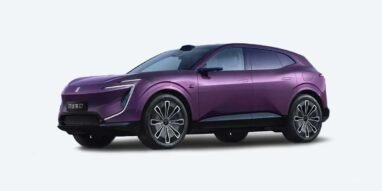
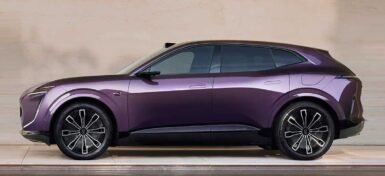
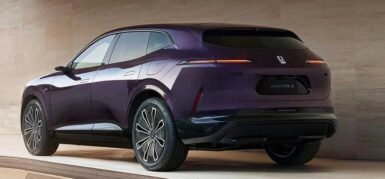
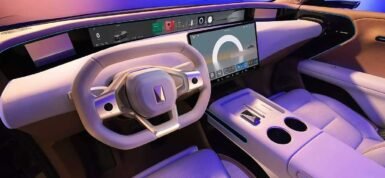
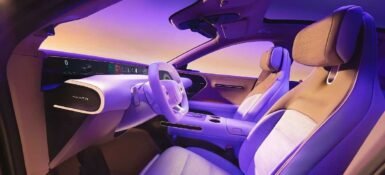
- Drive Type: RWD, AWD
- Body Type: 5-seat mid-size SUV
- Self Driving: Level 2 Plus
- Airbags: Yes
PROS
- 800V architecture with 420 kW peak DC charging on the BEV variant
- Up to 650 km CLTC range (BEV) or ~1,200 km combined range (EREV)
- Huawei ADS 4 driver-assistance suite standard across all trims
CONS
- No official sales, warranty, or service network in Nigeria, Kenya, or South Africa
- AC home charging capped at 11 kW, meaning slow overnight top-ups compared to rivals with faster onboard chargers
The Avatr 07 is a mid-size electric SUV from Avatr Technology, the joint venture between Changan, CATL, and Huawei. It sits in the middle of Avatr’s lineup — above the 06 sedan, below the flagship 11 crossover coupe — and is sold with both a full battery-electric (BEV) drivetrain and a range-extender (EREV) option, each offered in single-motor rear-wheel-drive or dual-motor all-wheel-drive form. What makes the 07 notable isn’t styling; it’s that Avatr built one platform to carry two very different powertrain philosophies, letting buyers choose between pure EV range anxiety-avoidance and long-distance flexibility without switching model lines.
Powertrain and Charging
The top BEV configuration runs an 82.16 kWh CATL Shenxing LFP pack on an 800-volt architecture, rated at 650 km CLTC for the rear-wheel-drive version and 610 km CLTC for the dual-motor all-wheel-drive version. DC fast charging peaks at 420 kW, taking the pack from roughly 0–80% in about 20 minutes. AC onboard charging tops out at 11 kW, meaning a full home wallbox charge takes around 14 hours. The EREV variants use a smaller 39.05 kWh or 52 kWh CATL Freevoy battery paired with a 1.5-liter petrol range extender, giving a CLTC electric-only range near 245–333 km and total combined range up to roughly 1,200 km. CLTC figures are China’s official test cycle and typically read higher than WLTP or EPA equivalents would for the same hardware — no independent WLTP/EPA rating exists yet for either powertrain, so treat these as manufacturer-claimed rather than third-party verified.
Pricing, Fit, and Market Context
In China, the 2026 model year Avatr 07 starts at roughly 219,900 yuan and runs to about 289,900 yuan across six trims — approximately $32,400 to $42,800. At current exchange rates, that’s an indicative ₦44.4 million to ₦58.6 million in Nigeria, and roughly R583,000 to R770,000 in South Africa (KES conversion not independently confirmed at time of writing). Avatr has no official assembly or distribution presence in Nigeria, Kenya, or South Africa, so any unit reaching these markets today arrives through grey-market import channels, with the usual added costs for freight, duty, and after-sales parts support.
The 07 realistically suits a buyer who wants Huawei’s ADS 4 driver-assistance suite and a genuinely fast-charging 800V EV without stepping up to Avatr’s pricier 11 flagship, or a family that wants EREV range security over a pure BEV. Within Avatr’s own range, it competes internally with the 06 sedan below it and the 11 crossover above it. Externally, it goes up against the Li Auto L6 and the AITO M7 — both Chinese EREV/BEV mid-size SUVs targeting the same tech-forward, Huawei-adjacent buyer. For a direct spec-and-price comparison, the Li Auto L6 is the closest match: similar size class, similar EREV range strategy, and overlapping price band.
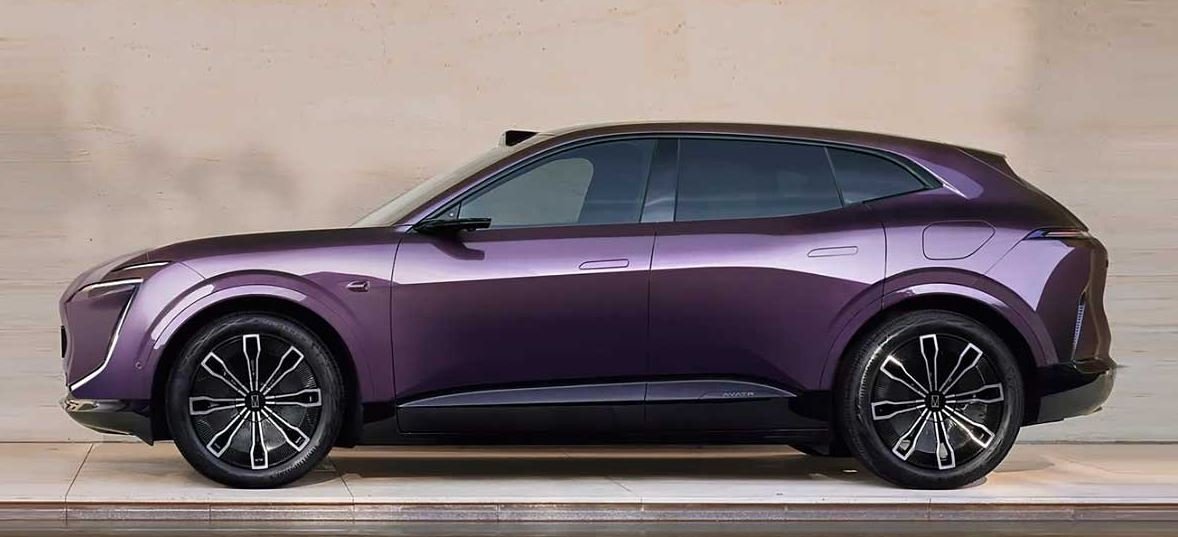
Avatr 07 Photos
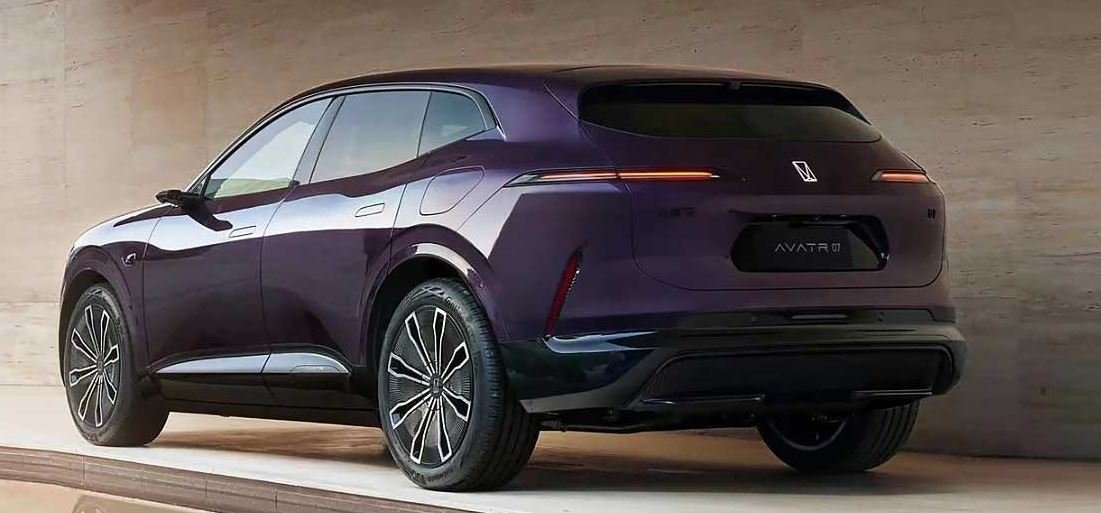
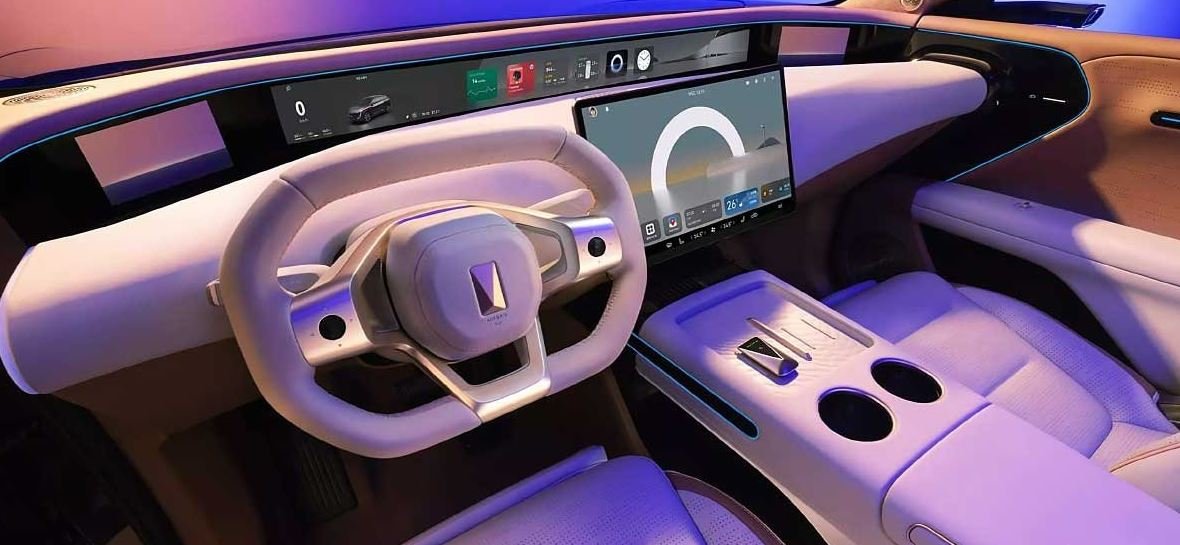
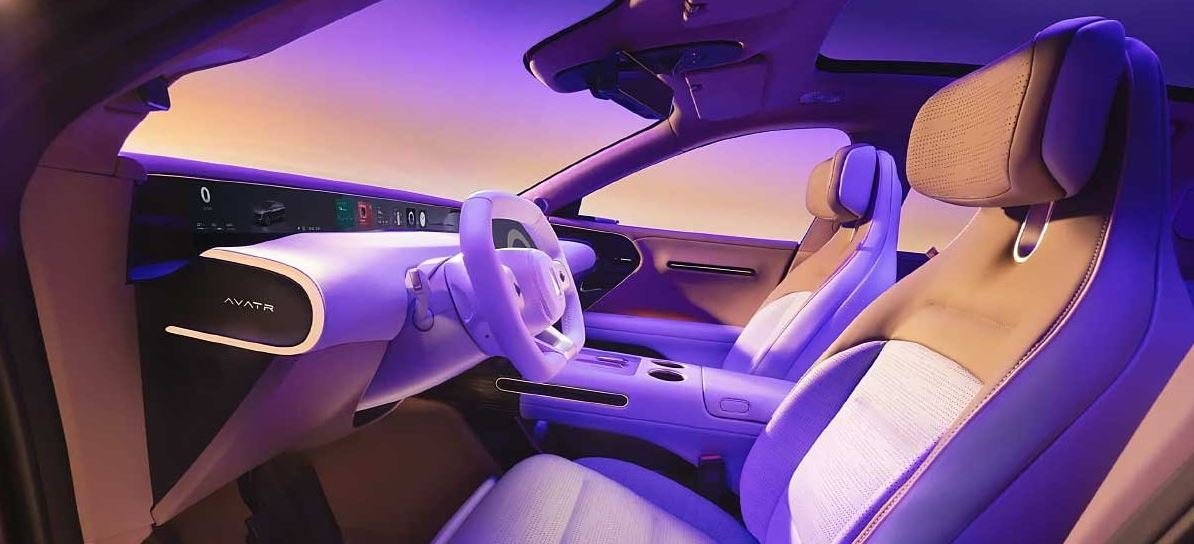
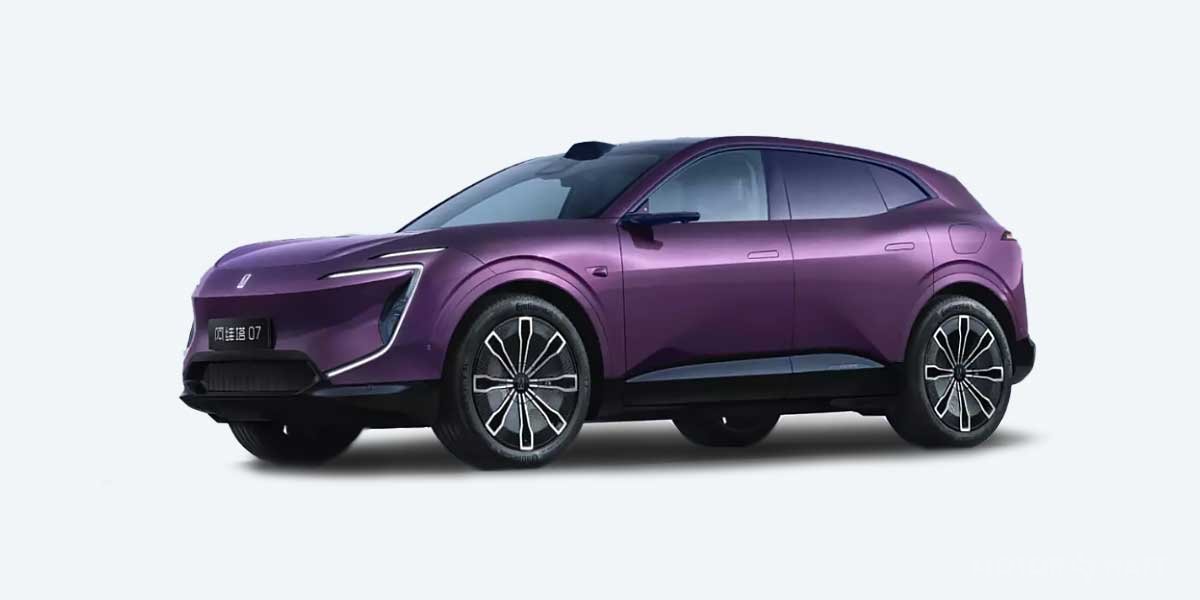
Full Electric Vehicle Specifications
MODEL
| Full Model Name | Avatr 07 |
| Generation | 2026 model year update |
| Segment / Class | Mid-size premium electric SUV |
| Available Trims / Variants | 6 trims across BEV and EREV, each in single-motor RWD or dual-motor AWD |
| Powertrain Options | BEV (82.16 kWh LFP) / EREV (39.05 kWh or 52 kWh LFP-hybrid pack + 1.5L range extender) |
| Additional Notes | Long-wheelbase "07L" variant teased for 2026; ⚠️ specs and pricing not yet confirmed |
LAUNCH
| Reveal Date | August 30, 2024 (original); September 2025 (2026 MY update) |
| Launch Year | 2024 (original) / 2026 (current model year) |
| Availability Status | On sale in China; limited official presence elsewhere |
| Brand / Manufacturer | Avatr Technology (Changan Automobile + CATL + Huawei JV) |
| Country of origin | China |
| Assembly Country | China |
| Markets Available | China; select international markets (e.g. UAE) |
| Grey Market Import | Yes — reaches Nigeria, Kenya, and South Africa via independent importers |
| Base Price (USD) | ~$32,400 (from 219,900 yuan) |
| Additional Notes | No official Avatr dealership network in Nigeria, Kenya, or South Africa |
BATTERY
| Battery Capacity | 82.16 kWh (BEV) / 39.05 kWh or 52 kWh (EREV) |
| Battery Chemistry | LFP — CATL Shenxing (BEV); CATL Freevoy hybrid LFP + sodium-ion (EREV) |
| Battery Architecture | 800V (BEV) |
| Thermal Management | Liquid-cooled |
| Range (WLTP/CLTC/EPA) | 650 km (RWD BEV) / 610 km (AWD BEV); 245–333 km EV-only + ~1,200 km combined (EREV) |
| Energy Consumption | ~21.8 kWh/100km (EREV trim, per manufacturer data) |
| Heat Pump | |
| AC Charging (Max kW) | 11 kW |
| DC Charging (Max kW) | 420 kW (BEV, 4C); up to 5C peak on long-range EREV pack |
| Charging Time (10–80%) | ~20 min, 0–80% (BEV); ~10 min, 30–80% (EREV pack) |
| Cell Brand | CATL |
| Additional Notes | EREV Freevoy pack combines LFP and sodium-ion cells in series |
PERFORMANCE
| Motor Type | Permanent magnet synchronous (rear); induction motor (front, AWD) |
| Motor Configuration | Single-motor RWD or dual-motor AWD |
| Front Motor Output (kW / HP) | 188 kW (AWD variants) |
| Rear Motor Output (kW / HP) | 252 kW (BEV) |
| Peak Power (kW / hp) | Up to ~362 kW combined (EREV AWD, per manufacturer data) |
| Torque (Nm) | 365 Nm (rear motor, BEV); 595 Nm combined (EREV AWD) |
| 0–100 km/h / 0-60 mph (seconds) The acceleration numbers are an easy way to compare car performance. We list either time from 0 to 100 km/h or time from 0 to 60mph, depending on which number(s) the manufacturers provide. The lower the acceleration time, the higher performance the car is. | 6.3s (RWD BEV) / 3.9s (AWD BEV) |
| Top Speed (km/h / mph) | 200 km/h (BEV) / 190 km/h (EREV) |
| Transmission / Drive | Single-speed, RWD or AWD |
| Additional Notes | Figures vary by trim; treat as manufacturer-claimed |
BODY
| Body Style | 5-seat mid-size SUV |
| Platform / Architecture | Avatr CHN platform |
| Dimensions (L×W×H mm) | 4825 × 1980 × 1610–1620 mm |
| Drag Coefficient (Cd) | 0.259 |
| Wheelbase (mm) | 2940 mm |
| Front Track (mm) | 1680 mm |
| Rear Track (mm) | 1690 mm |
| Kerb Weight (kg) | ~2,378 kg (EREV, per manufacturer data) |
| Suspension (Front / Rear) | Double wishbone front, multi-link rear; air suspension optional |
| Wheel Size (inches) | 20" or 21" |
| Approach / Departure Angle | 17° / 21° |
| Additional Notes | Front/rear overhang: 902 mm / 983 mm |
SAFETY
| Structural Safety | "Six Horizontal, Nine Vertical" high-rigidity body; ~90% high-strength steel/aluminum |
| 360° Camera / Surround View | Yes, with transparent-chassis underbody view |
| Driver Assistance (ADAS) | Huawei Qiankun ADS 4 |
| ADAS Features | Highway/urban NOA, autonomous parking, AEB with VRU detection, lane keeping, blind-spot monitoring |
| Autonomous Driving Level | Level 2+ advanced driver assistance (not full autonomy) |
| Autonomous Driving Hardware | 192-beam LiDAR (Ultra trim only), 3× 4D radar, 11 cameras, 12 ultrasonic sensors |
| Over-the-Air (OTA) Safety Updates | Yes |
COMFORT
| Seating Capacity | 5 |
| Power Seats | Yes, including front zero-gravity function |
| Climate Control | Automatic |
| Ambient Lighting | Yes |
| Electrically Folding Mirrors | Yes |
| Soft-Close Doors | Yes |
| Additional Notes | Optional 4L in-car fridge |
DISPLAYS
| Centre Screen (inches) | 35.4-inch, under-windshield, 4K |
| Driver's Display (inches) | 15.6-inch |
| Operating System | HarmonyOS 5 |
LIGHTING
| Headlight Type (LED/Matrix/Laser) | LED, two-tier signature layout |
| Daytime Running Lights (DRL) | Dual-layer LED |
| Tail Light Design | Slim, full-width LED bar |
INFOTAINMENT & AUDIO
| Sound System Brand | Meridian |
| Speaker Count | 25 |
TECHNOLOGY
| Keyless Entry / Start | Yes |
OWNERSHIP
| Official Dealer Network | China; select international markets (e.g. UAE). None in Nigeria, Kenya, or South Africa |
| Grey Market Support | Import-dependent; no factory warranty coverage in unsupported markets |
Note
| Data Source | Avatr official site, CarNewsChina, CnEVPost, Wikipedia |
| Last Updated | July 2026 |
User Reviews
Disclaimer Note
Specifications sourced from manufacturer data and may reflect WLTP, CLTC, or EPA test conditions. Import prices in your local are estimates based on grey-market landing costs and exclude duties, clearing fees, and local taxes. Figures are subject to change without notice. Always verify with your local importer before purchase. We can not guarantee that the information on this page is 100% correct