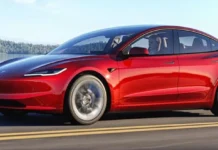
The used Tesla model years to avoid are 2018 Model 3, and 2020–2021 Model Y — both generations logged their highest NHTSA complaint rates and lowest third-party reliability scores in these years, driven mainly by touchscreen failures, forward-collision-avoidance glitches, and early production quality issues. Newer isn’t always safer either: a handful of mid-cycle refresh years also carry elevated complaint counts.
Below, we break down exactly what went wrong in each problem year, which years are considered safer used buys, what repairs typically cost outside of warranty, and how to inspect a used Tesla before you hand over payment.
Quick Summary
| Takeaway | Detail |
|---|---|
| Worst Model 3 year | 2018 — reliability score 46/100, most electrical-system complaints of any year |
| Worst Model Y years | 2020 and 2021 — both scored 46/100, dominated by forward-collision-avoidance complaints |
| Best used buys | 2024–2025 Model 3 and Model Y, post-refresh, scoring 63–67/100 |
| #1 systemic issue across all years | Forward Collision Avoidance / Adaptive Cruise Control false alerts and phantom braking |
| Buying rule | Always run a VIN-specific history and recall check — year-level data shows patterns, not the condition of the specific car |
Why Model Year Matters So Much for a Used Tesla
Unlike a typical gas car, a Tesla’s “model year” can mask major running changes. Tesla updates hardware and software continuously rather than doing a clean annual refresh, so two cars with the same model year badge can have meaningfully different components, battery chemistry, or Autopilot hardware depending on the build date. That said, aggregated owner-complaint data from the National Highway Traffic Safety Administration (NHTSA) still shows clear, consistent patterns by year — which is what this guide is built on.
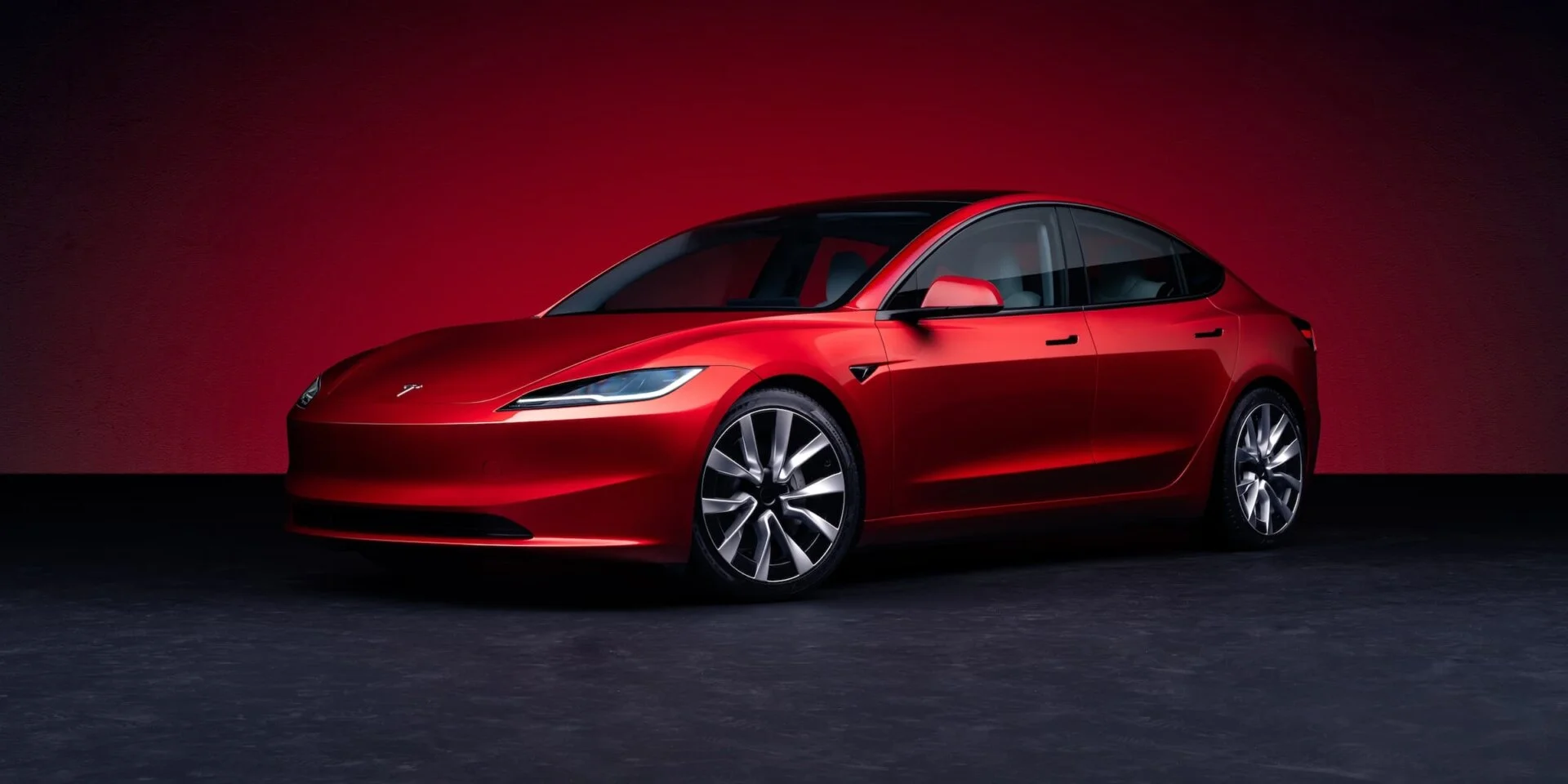
Tesla Model 3: Years to Avoid
2017–2018 (first-generation production) These are the earliest Model 3s, built while Tesla was scaling production at an unusually aggressive pace. Reported issues cluster around:
- Touchscreen failures (the eMMC storage chip degrading), with out-of-warranty replacement often running $1,000+
- Panel gaps and paint/body quality issues
- General electrical gremlins
Third-party reliability trackers place the 2018 model at a 46/100 reliability score — the worst of any Model 3 year on record, with electrical-system complaints as the leading category.
2021 A second dip shows up in 2021, scoring 48/100. This year is dominated by forward-collision-avoidance and adaptive-cruise-control complaints, including reports of phantom braking and, in some cases, unintended acceleration events logged with NHTSA.
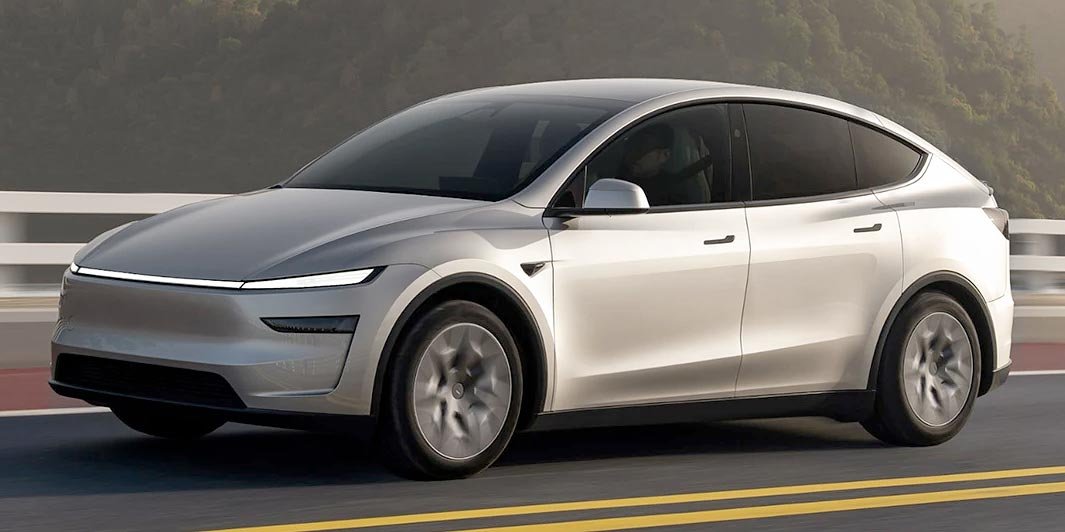
Tesla Model Y: Years to Avoid
2020–2021 (launch years) The Model Y launched in 2020, sharing its platform with the Model 3 but arriving with its own early-production issues:
- 2021 alone logged 21 recalls and roughly 3,100 NHTSA complaints — the highest complaint volume of any Model Y year
- Reports of broken wheel-linkage/suspension bolts, improperly welded seatback recliners, and rearview camera failures (the latter two were later resolved via free recall repairs)
- Forward-collision-avoidance issues were the single largest complaint category, echoing the Model 3 pattern
Both 2020 and 2021 Model Y trims score 46/100, tied for the lowest of the generation.
2023 (secondary dip) Some tracking sources also flag 2023 for build-quality complaints, including windshield cracking associated with panel fit and heat exposure, plus continued forward-collision-avoidance false alerts. It’s not as weak as 2020–2021, but it’s worth a closer pre-purchase inspection if you’re shopping this year.
The One Problem That Shows Up Almost Every Year
Across both models and nearly every model year, Forward Collision Avoidance / Adaptive Cruise Control is the single most-reported issue category in NHTSA’s complaint database — thousands of complaints total, spanning phantom braking, false alerts, and reports of the system not decelerating as expected. This isn’t unique to “bad” years; it shows up even in otherwise well-rated years, just at lower volume. Treat a thorough test drive with Autopilot/FSD engaged as mandatory, not optional, regardless of the year you’re considering.
Which Used Tesla Years Are Actually Safe to Buy
The good news: reliability trends clearly improve toward the back half of each generation’s production run.
- Model 3: 2024–2025 models score 63–67/100, roughly the best in the lineup, following the 2024 mid-cycle refresh (codenamed “Highland”) that addressed a number of interior and build-quality complaints from earlier years.
- Model Y: The 2025 model year is the highest-rated in the lineup at 70/100, with just 2 recalls and a comparatively small complaint count relative to sales volume; 2024 follows close behind at 63/100.
- If your budget only reaches earlier years, a 2019–2020 Model 3 with a well-documented service history and confirmed software updates is a reasonable middle-ground option — just budget for an emergency repair fund and get the touchscreen and drive unit inspected before purchase.
Comparison Table: Used Tesla Model Years at a Glance
| Model & Year | Reliability Score* | Recalls on File | Leading Complaint Category | Verdict |
|---|---|---|---|---|
| Model 3 (2017–2018) | 46/100 | Multiple, incl. touchscreen | Electrical system | Avoid |
| Model 3 (2021) | 48/100 | Moderate | Forward collision avoidance | Avoid / inspect closely |
| Model 3 (2019–2020) | ~50–55/100 | Moderate | Mixed | Acceptable with inspection |
| Model 3 (2024–2025) | 63–67/100 | Low | Structure / minor | Recommended |
| Model Y (2020) | 46/100 | 22 | Electrical system | Avoid |
| Model Y (2021) | 46/100 | 21 | Forward collision avoidance | Avoid |
| Model Y (2023) | 50/100 | 15 | Forward collision avoidance, steering | Inspect closely |
| Model Y (2024–2025) | 63–70/100 | 2–5 | Electrical / minor | Recommended |
*Reliability scores are composite figures aggregated from NHTSA owner-complaint volume, complaint severity, and recall counts by independent automotive data trackers; they are directional guides, not manufacturer-issued ratings.
How to Inspect a Used Tesla Before You Buy
- Pull the VIN history. Confirm no salvage title, flood damage, or odometer discrepancy — this matters more than the model year badge.
- Check the software/build date, not just the model year. Ask the seller for the current software version and compare it against Tesla’s release notes; a 2021 build with all subsequent updates installed is a safer bet than one that’s been neglected.
- Test the touchscreen and infotainment system thoroughly, especially on 2017–2019 cars — freezing, dimming, or slow response are early signs of eMMC failure.
- Drive with Autopilot/adaptive cruise engaged on a road with light traffic to check for phantom braking or erratic speed changes.
- Have an independent EV-specialist inspect the battery health report (degradation percentage) and drive unit for unusual noise, since Tesla’s own service network handles most repairs and can be costly outside of warranty.
- Confirm all outstanding recalls have been completed, particularly for Model Y 2020–2021 units (seatback recliner weld and rearview camera recalls).
Bottom Line
If you’re buying used, steer clear of the 2017–2018 Model 3 and 2020–2021 Model Y unless the specific car has an exceptionally clean service record and you’re prepared for possible out-of-pocket repairs. For the best balance of price and reliability, target a 2024 or 2025 model year in either lineup, or a well-documented 2019–2020 Model 3 if budget is the deciding factor. Whatever year you choose, a VIN-specific history check and a hands-on Autopilot test drive matter more than the badge on the trunk.
Pricing not covered in this guide reflects specification and reliability comparisons only; used Tesla pricing varies significantly by region, mileage, and battery health and should be confirmed via current market listings at time of purchase.