- Home
- Electric Vehicles
- DS
- DS N°7
DS N°7
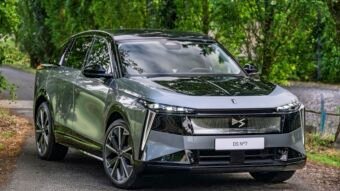
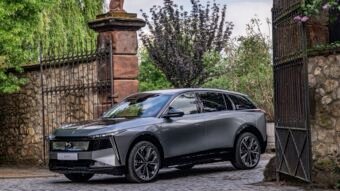
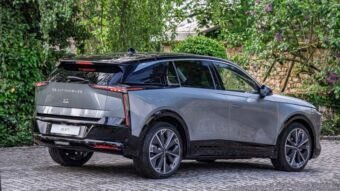
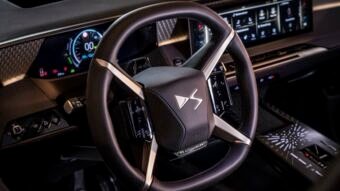
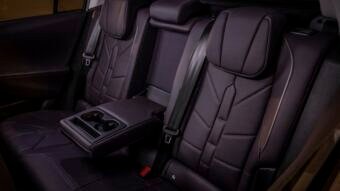
- Drive Type: FWD, AWD
- Body Type: 5-door compact luxury crossover SUV
- Self Driving: Level 2
- Airbags: Yes
PROS
- The 740 km WLTP Long Range figure leads the compact premium SUV segment on paper, with over 450 km of claimed motorway range at 120 km/h.
- Three E-Tense powertrain grades (230 hp / 245 hp / 350 hp AWD) give buyers a genuine range-vs-performance trade-off within a single model line.
- Up to 560 litres of boot space and 40/20/40 folding rear seats keep the N°7 practically competitive despite its premium-slanted positioning.
CONS
- The 160 kW DC peak on a 400V architecture is acceptable but trails 800V competitors (Hyundai Ioniq 5, Kia EV6, Audi Q6 e-tron) that charge faster in real-world highway stops.
- DS Automobiles does not sell vehicles in the US market, and with no confirmed African distribution network and an entry price above €46,990, the N°7 is inaccessible outside Europe and a handful of select export markets.
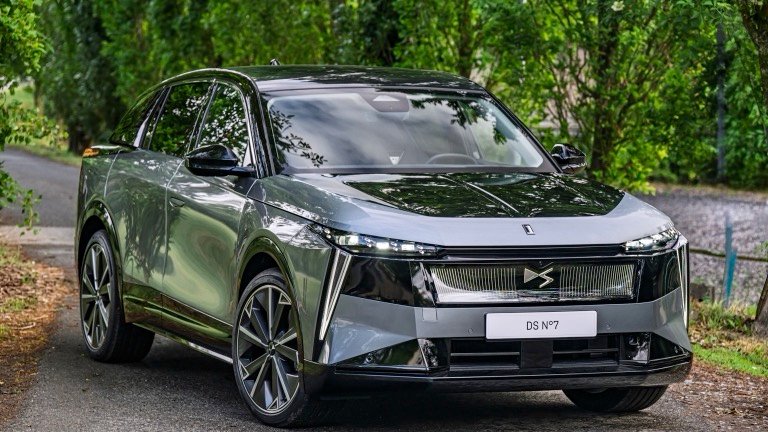
The DS N°7 (pronounced “DS Number Seven”) is a compact premium SUV from DS Automobiles, the Paris-based Stellantis brand, sitting at the mid-to-flagship end of the DS lineup. It is a five-door compact SUV available in FWD and AWD configurations, offered in both fully electric E-Tense and self-charging hybrid form. The N°7 replaces the DS 7 — the brand’s best-selling model — and is the first DS to transition from the older EMP2 architecture to Stellantis’s STLA Medium platform, shared with the Peugeot e-3008 and e-5008.
Two battery options are available: a 73.7 kWh (usable) pack powering the 230 hp FWD entry variant with up to 543 km WLTP range, and a 97.2 kWh pack in Long Range trims reaching up to 740 km WLTP (FWD) or 679 km WLTP (AWD) — all figures on the WLTP combined cycle. AC onboard charging is 7.4–11 kW standard, with a 22 kW option available. DC fast charging peaks at 160 kW, held between 20% and 55% SoC, enabling a 20–80% charge in 27 minutes (31 minutes for the smaller 73.7 kWh battery) and approximately 190 km of range recovered in 10 minutes. The 160 kW DC peak rate and 400V architecture are confirmed by DS Automobiles; individual real-world charging curves have not yet been independently verified ahead of the autumn 2026 market launch.
In France, pricing opens at €43,900 for the hybrid and €46,990 for the fully electric E-Tense. No African market pricing or official import availability has been announced; at current exchange rates, €46,990 converts to approximately ₦86–90 million at grey-market rates, placing it firmly in low-volume diplomatic or luxury fleet territory for Nigeria. The DS N°7 suits urban-leaning premium buyers who want French luxury differentiation over mainstream German alternatives — not a family or fleet workhorse in the conventional sense. Within the DS range, it sits between the compact DS N°4 saloon below and the larger DS N°8 SUV above. External rivals at comparable price and segment include the Peugeot e-5008 (same platform, lower price, more practical) and the BMW iX1 (German premium compact SUV, similar entry pricing). The closest direct comparison for spec and positioning is the Peugeot e-3008 Long Range — same STLA Medium platform, overlapping price band, near-identical drivetrain options.
DS N°7 Photos
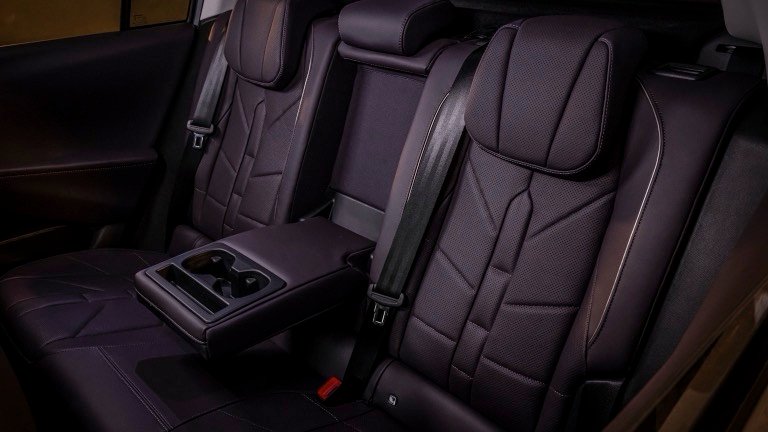
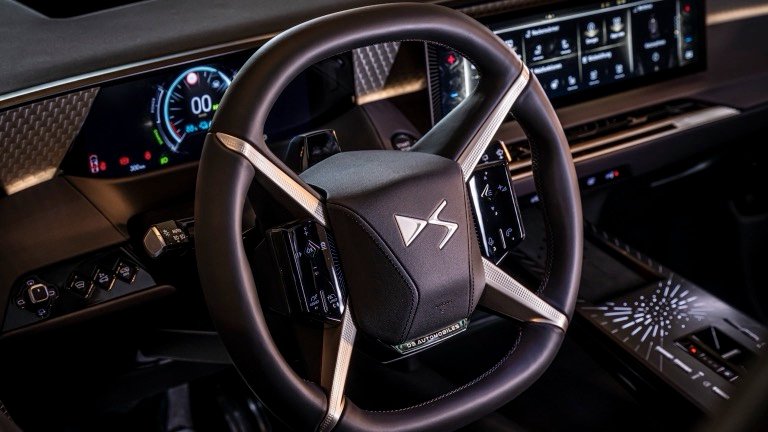
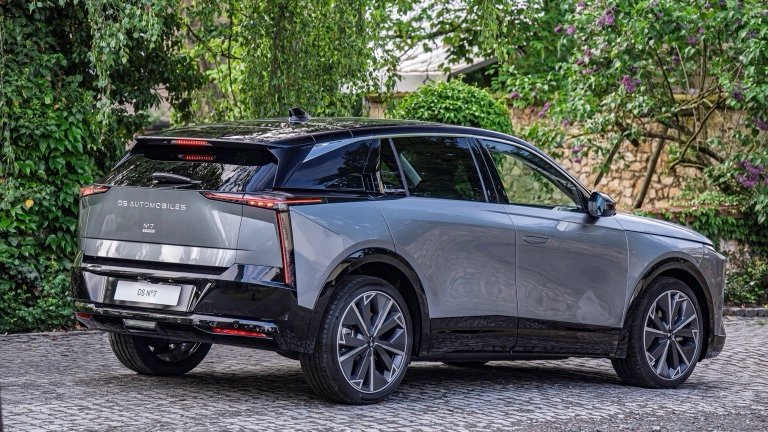
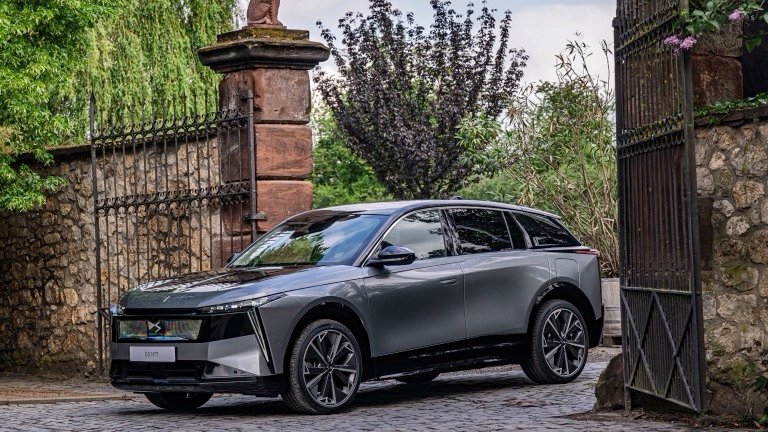
Full Electric Vehicle Specifications
MODEL
| Full Model Name | DS N°7 (DS Number Seven) |
| Segment / Class | Compact luxury crossover SUV |
| Available Trims / Variants | N°7, PALLAS, ÉTOILE, LA PREMIÈRE |
| Powertrain Options | E-Tense FWD (230 hp / 73.7 kWh) · E-Tense FWD Long Range (245 hp / 97.2 kWh) · E-Tense AWD Long Range (350 hp / 97.2 kWh) · Hybrid (145 hp, 48V mild hybrid) |
PRICE & AVAILABILITY
| Base Price (USD) | ~€46,990 (E-Tense FWD) / ~€43,900 (Hybrid) — approx. $51,000–52,000 USD at current rates |
| Availability Status | Announced; order phase open in France and Germany |
| Markets Available | France, Germany, wider Europe (confirmed); UK expected |
| Brand / Manufacturer | DS Automobiles (Stellantis) |
BATTERY & CHARGING
| Battery Capacity | 73.7 kWh (usable) · 97.2 kWh (usable, Long Range) |
| Range (WLTP/CLTC/EPA) | FWD: 543 km · FWD Long Range: 740 km · AWD Long Range: 679 km |
| DC Charging (Max kW) | 160 kW peak (maintained between 20–55% SoC) |
| Charging Time (10–80%) | ~27 min (97.2 kWh) · ~31 min (73.7 kWh) — figures quoted at 20–80% by DS |
| AC Charging (Max kW) | 7.4–11 kW standard; 22 kW optional |
PERFORMANCE
| Power Output (kW / hp) | 169 kW / 230 hp (base) · 180 kW / 245 hp (LR FWD) · 257 kW / 350 hp (AWD) |
| 0–100 km/h / 0-60 mph (seconds) The acceleration numbers are an easy way to compare car performance. We list either time from 0 to 100 km/h or time from 0 to 60mph, depending on which number(s) the manufacturers provide. The lower the acceleration time, the higher performance the car is. | AWD Long Range: 5.4 sec |
| Motor Configuration | Single front motor (FWD variants) · Dual motor front + rear (AWD Long Range) |
| Top Speed (km/h / mph) | 190 km/h (all E-Tense variants, electronically limited) |
BODY & DIMENSIONS
| Dimensions (L×W×H mm) | 4,660 × 1,900 × 1,630 |
| Trunk/Boot Capacity (L) | Up to 560 L (500 L minimum in AWD config with subwoofer) |
| Body Style | 5-door compact luxury crossover SUV |
| Sunroof | Panoramic roof (40% larger than DS 7 predecessor) |
SAFETY & DRIVER ASSISTANCE
| ADAS Features | Adaptive cruise control, lane positioning, semi-automatic lane changes, speed limit recognition, AEB, blind spot monitoring, driver attention alert |
| Autonomous Driving Level | SAE Level 2 |
COMFORT & SEATING
| Seating Capacity | 5 |
| Seat Material | Fabric (base) · Leather / Nappa / Alcantara (higher trims) |
| Wireless Charging | Yes (from PALLAS trim) |
DISPLAYS & CONNECTIVITY
| Centre Screen (inches) | 16-inch touchscreen (DS IRIS System) |
| Mirror Link / Apple CarPlay / Android Auto | Apple CarPlay and Android Auto (wireless, from PALLAS trim) |
| Driver's Display (inches) | 10-inch digital instrument cluster |
| Head-Up Display (HUD) | Yes — augmented/extended HUD |
TECHNOLOGY
| Vehicle-to-Load (V2L) | Yes — 230V AC output via adapter plugged into charge port |
ADDITIONAL SPECS
| Headlight Type (LED/Matrix/Laser) | DS Pixel LED Vision (adaptive matrix LED, from ÉTOILE trim) |
| Adaptive Headlights | Yes (DS Pixel LED Vision) |
Note
| Data Source | DS Automobiles official press (Stellantis Media), Electrive, InsideEVs, Electric Cars Report, What Car?, Wikipedia, DS UK product page |
| Last Updated | June 2026 |
| Editor's Note | Several specs — including kerb weight, towing capacity, split motor outputs, battery warranty, and full ADAS availability by trim — have not been officially published ahead of the autumn 2026 retail launch. All unconfirmed fields are flagged. Charging benchmarks quoted at 20–80%, not 10–80%, as DS has not published a 10–80% figure. |
User Reviews
Disclaimer Note
Specifications sourced from manufacturer data and may reflect WLTP, CLTC, or EPA test conditions. Import prices in your local are estimates based on grey-market landing costs and exclude duties, clearing fees, and local taxes. Figures are subject to change without notice. Always verify with your local importer before purchase. We can not guarantee that the information on this page is 100% correct