Buying your first electric car in Africa is not the same as buying one in London or Los Angeles. The charging infrastructure is thinner, most EVs arrive via grey-market imports, and the naira, shilling, or rand price tag can change month to month. But the fundamentals — range, battery health, real-world charging costs — are the same everywhere, and getting them right will save you from expensive regrets.
This guide covers what actually matters when you’re buying your first EV in Nigeria, Kenya, or South Africa in 2026: which specs to check, which questions to ask an importer, and which models give you the most car for your money right now.
Quick Summary
- Range: Look for at least 300 km WLTP (not CLTC — see below). In real-world Nigerian traffic and heat, expect 15–20% less than the official figure.
- Charging: A home charging point (7 kW AC) is non-negotiable before you buy. Public fast charging is still sparse outside Lagos, Nairobi, and Cape Town.
- Budget: Entry-level new EVs start around ₦28M–₦35M in Nigeria (grey-market). Used options start lower — but battery inspection is critical.
- Best starter models for 2026: BYD Dolphin, BYD Atto 3, and MG4 Electric are the most practical choices across all three markets.
- Grey-market reality: Most EVs in Nigeria and Kenya are parallel imports. Always verify the VIN, check for flood or accident history, and request a battery health report before committing.
What Does “Range” Actually Mean in Africa?
Range is the first number every first-time buyer fixates on — and the most commonly misunderstood.
WLTP vs. CLTC: The Number That Matters
Chinese brands dominate the affordable EV space in Africa right now. Most of them advertise range using CLTC (China Light-Duty Vehicle Test Cycle), which is measured under laboratory conditions optimized for Chinese urban driving patterns. It almost always produces higher figures than WLTP (Worldwide Harmonised Light Vehicle Test Procedure), the European standard that most independent reviewers use.
A quick example: the BYD Dolphin is rated at 430 km CLTC but roughly 340 km WLTP on the standard-range version. If you’re comparing specs across brands, always use WLTP figures. If a seller only quotes CLTC, ask for the WLTP equivalent — or apply a rough 15–20% haircut yourself.
Real-World Range in Nigerian and Kenyan Conditions
Heat degrades battery performance. So does stop-start traffic, air conditioning running at full blast, and unpaved roads. Lagos traffic alone can reduce real-world range by up to 25% compared to WLTP. In Nairobi’s high-altitude climate, the reduction is slightly less. In South Africa, highway driving at 120 km/h will cut range faster than official figures suggest.
Practical minimum for daily use in Lagos or Nairobi: 280–320 km WLTP. Anything under 250 km WLTP will cause range anxiety unless you have reliable overnight home charging.
Charging: The Question You Must Answer Before You Buy
The biggest mistake first-time EV buyers make is treating charging as an afterthought. It is not. If you cannot install a home charger, most EVs will not work well for your lifestyle in 2026 Africa.
Home Charging (Level 2 AC)
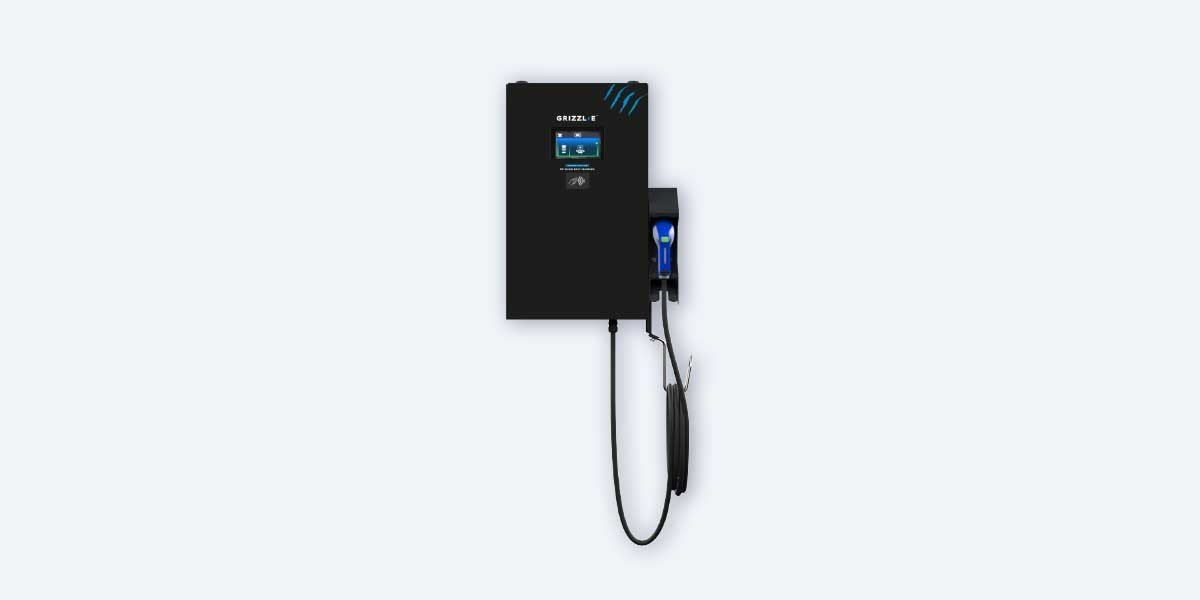
A standard home wall socket (5A/15A in Nigeria; Type M in South Africa) will charge most EVs, but very slowly — we’re talking 8–15 hours for a full charge from empty. A 7 kW AC wall box cuts that to 6–8 hours overnight. Installation costs:
- Nigeria: ₦150,000–₦350,000 depending on wiring work required
- Kenya: KES 25,000–KES 65,000
- South Africa: ZAR 5,000–ZAR 12,000
Most modern EVs come with a Type 2 AC inlet, including the BYD Dolphin, Atto 3, and MG4. Verify the inlet type before buying.
Public Charging in 2026
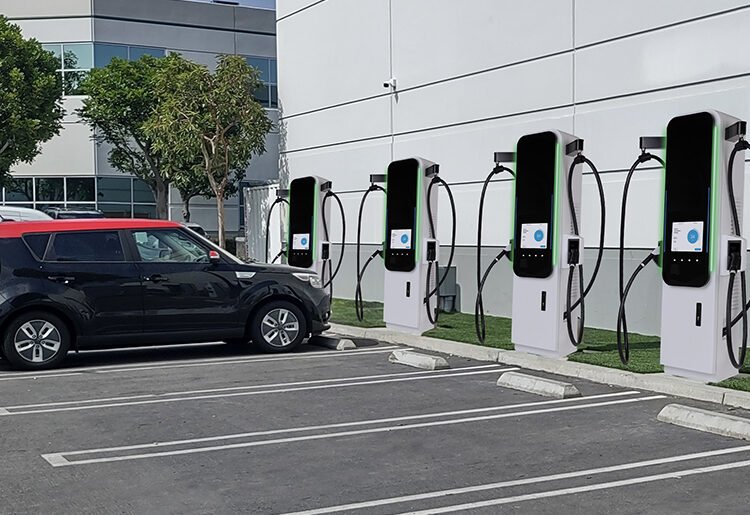
Public DC fast charging infrastructure has grown in Lagos (Moove, GridX, and others now operate multiple stations), Nairobi (Ampere, EVGo Kenya), and major South African cities (GridCars, Rubix, Evge). But coverage outside urban centres is still thin. If you drive intercity regularly — Lagos to Ibadan, Nairobi to Mombasa — plan your route around charging stops and carry the onboard cable.
For a more detailed breakdown, see our EV Charging Stations in Nigeria: Complete 2026 Map and Guide.
Total Cost of Ownership: The Math Most Sellers Won’t Show You
The sticker price of an EV is never the full story. The full cost picture — fuel savings, maintenance, insurance, battery depreciation — is where EVs either make sense or don’t for your situation.
Fuel vs. Electricity Savings
Petrol in Nigeria as of mid-2026 sits around ₦1,200–₦1,400 per litre (figures fluctuate with subsidy policy). A 15-litre-per-100km petrol car costs roughly ₦18,000–₦21,000 per 100 km in fuel. Charging the same distance in a BYD Dolphin at average Lagos electricity rates costs roughly ₦2,500–₦4,000 per 100 km — a saving of 75–85%.
Run 1,500 km a month and you’re saving between ₦230,000 and ₦260,000 monthly in fuel alone. At that rate, the cost premium of an EV over a comparable petrol car starts to shrink fast.
Maintenance Costs
EVs have no oil changes, no timing belts, no clutch, and fewer brake replacements (regenerative braking extends pad life). Typical annual maintenance for a BYD Dolphin or MG4 in Nigeria runs ₦80,000–₦150,000 versus ₦250,000–₦450,000 for a mid-size petrol car. For a detailed savings breakdown across markets.
Battery Replacement: The Risk You Need to Price In
Battery replacement is the big-ticket risk in used EVs. A replacement pack for a BYD Dolphin costs roughly ₦3–₦5 million in Nigeria (grey-market parts). Before buying any used EV, ask for a State of Health (SoH) report — most BYD and MG dealerships can generate this in-branch. Avoid any used EV with SoH below 80%.
Best First Electric Cars in Africa: 2026 Shortlist
These are the models that make the most sense for first-time buyers across Nigeria, Kenya, and South Africa based on availability, parts access, price, and real-world range.
BYD Dolphin — Best All-Rounder
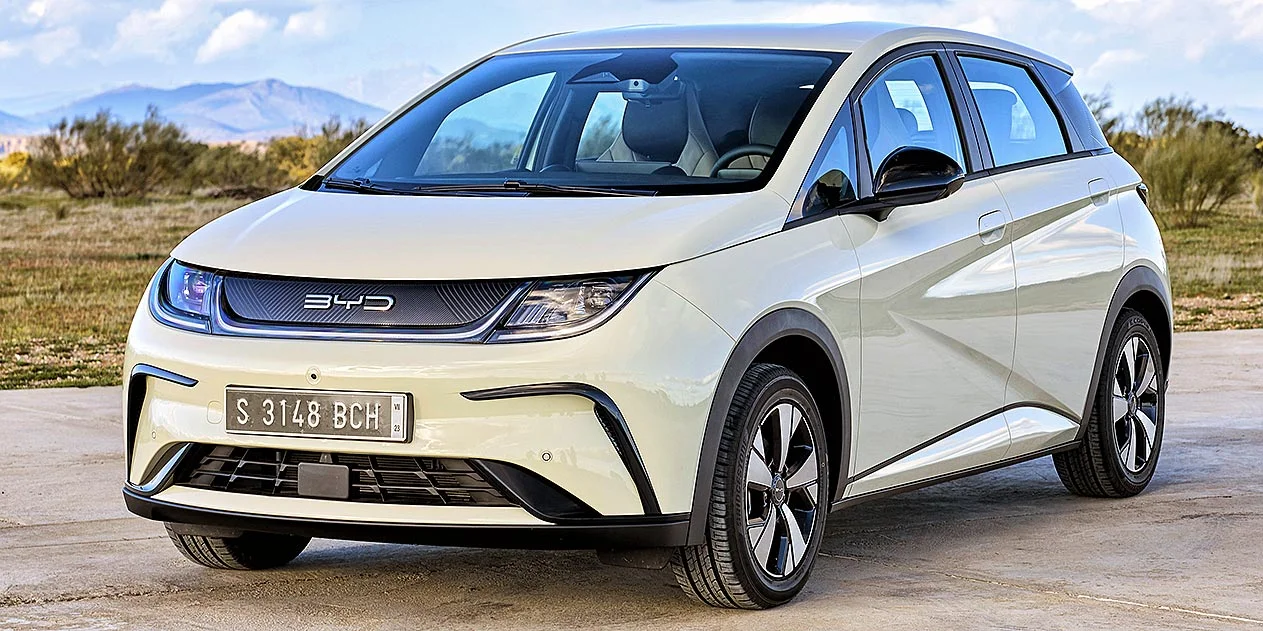
The Dolphin is the most practical entry-point EV for African buyers right now. It has a strong service network in South Africa (official BYD presence), growing grey-market parts availability in Nigeria and Kenya, and real-world range that handles urban commuting without stress. The standard-range version (44.9 kWh) is the sweet spot — cheaper, lighter, and more than sufficient for city use.
BYD Atto 3 — Best for Families
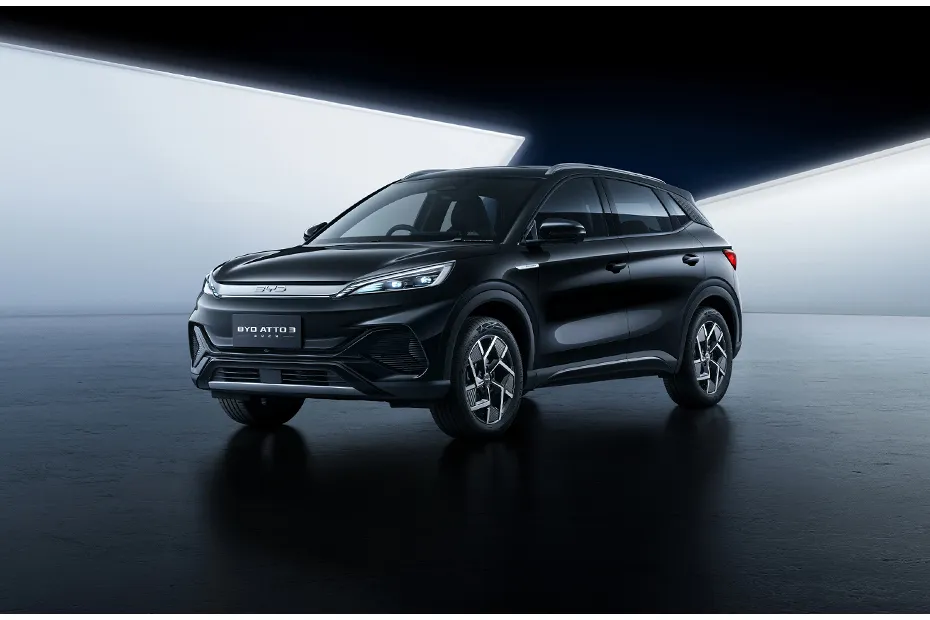
If you need more space and slightly longer range, the Atto 3 (60.5 kWh) is the step up. It’s priced higher and the spare parts network in Nigeria is thinner, but it’s an official model in South Africa and Kenya, which helps with servicing.
MG4 Electric — Best for Highway Driving
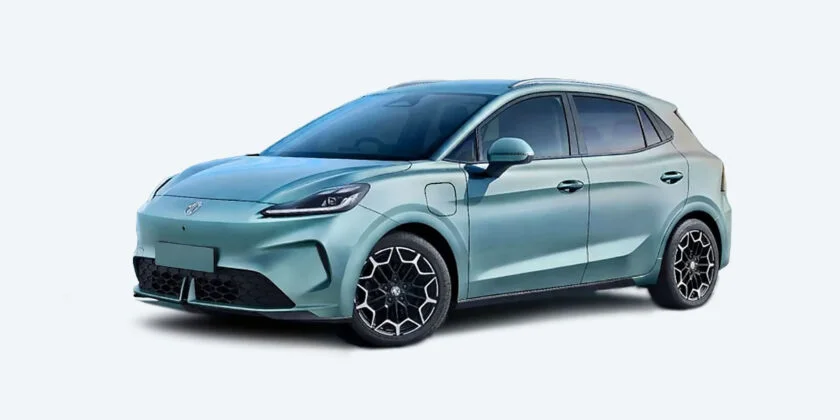
The MG4 is rear-wheel drive, which makes it unusually fun for an EV at this price point. It handles highway driving efficiently and the WLTP range on the 64 kWh version (350 km) is competitive. In South Africa it’s sold officially; in Nigeria it arrives via grey-market imports from the UK and China. Check which market the specific unit came from, as charging inlet types and software configurations differ.
Nissan Leaf (Used) — Best Budget Option
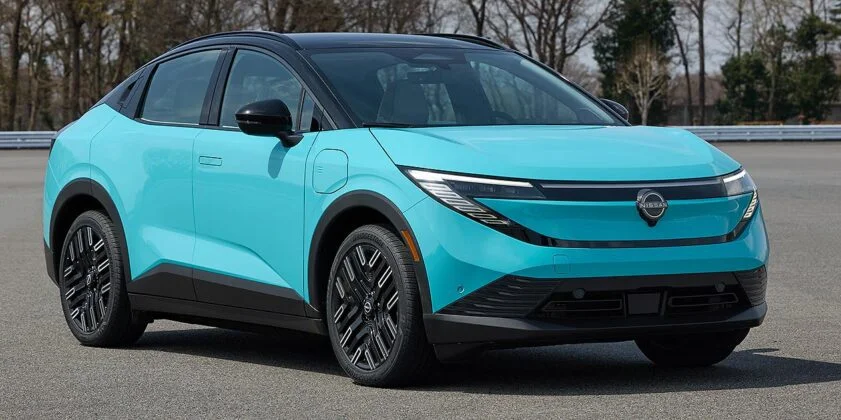
The Leaf remains the most affordable entry point if you’re buying used. Units that arrived in Nigeria between 2021 and 2023 are now available from ₦15M–₦22M. The catch: most are 40 kWh versions with real-world range of 180–220 km, and battery degradation in older units can be significant. A battery health check is non-negotiable.
Comparison Table: First-Time EV Buyer Shortlist (2026)
| Model | Battery | WLTP Range | Charging (Max AC/DC) | Est. Nigeria Price | Est. Kenya Price | Est. SA Price | Grey Market? |
|---|---|---|---|---|---|---|---|
| BYD Dolphin (Standard) | 44.9 kWh | ~340 km | 7 kW / 60 kW | ₦28M–₦33M | KES 3.5M–4.2M | ZAR 430K–480K (official) | Nigeria/Kenya: Yes |
| BYD Dolphin (Extended) | 60.4 kWh | ~427 km | 7 kW / 60 kW | ₦35M–₦41M | KES 4.5M–5.2M | ZAR 510K–550K (official) | Nigeria/Kenya: Yes |
| BYD Atto 3 | 60.5 kWh | ~420 km | 7 kW / 80 kW | ₦38M–₦46M | KES 5.0M–5.8M | ZAR 590K–640K (official) | Nigeria: Yes |
| MG4 Electric (64 kWh) | 64 kWh | ~350 km | 11 kW / 135 kW | ₦36M–₦44M | KES 4.8M–5.5M | ZAR 560K–600K (official) | Nigeria: Yes |
| Nissan Leaf (40 kWh, used) | 40 kWh | ~180–220 km* | 6.6 kW / 50 kW | ₦15M–₦22M | KES 2.0M–2.8M | ZAR 200K–280K (used) | Nigeria/Kenya: Yes |
*Real-world range for used Nissan Leaf units depends heavily on battery SoH at time of purchase. Figures above assume 80–90% SoH.
Note: Nigeria and Kenya prices are grey-market import estimates and vary by importer, exchange rate, and import duty applied. Verify current rates with importers before committing. South Africa prices reflect official dealer pricing where available.
Grey-Market Imports: What to Check Before You Pay
Most EVs in Nigeria and Kenya are not sold through official dealerships. They arrive as parallel imports, usually from the UK, UAE, China, or Japan. That creates real risks — but also the only way to access most models at this stage.
Checklist before buying a grey-market EV in Nigeria or Kenya:
- VIN verification — Run the VIN through Carfax, AutoCheck, or the equivalent origin-country database. Flood and accident history is real and common.
- Battery SoH report — Request in writing. Any reputable importer can produce this for BYD, MG, and Nissan Leaf models.
- Charging inlet compatibility — UK imports use Type 2 AC and CCS. Chinese market units sometimes use GB/T. Confirm before shipping.
- Warranty status — Grey-market imports carry no manufacturer warranty in Nigeria or Kenya. Factor in extended breakdown risk.
- Software version / OTA updates — Some Chinese-market units won’t receive OTA updates outside China. Ask whether the head unit is region-locked.
Bottom Line Verdict
For most first-time EV buyers in Nigeria and Kenya in 2026, the BYD Dolphin (Standard Range) is the right starting point: affordable enough to make the maths work, with real-world range that covers urban commuting, and growing parts availability that matters once the warranty question is moot. If you’re in South Africa and want official aftersales support, the Dolphin and Atto 3 are both sold through a proper dealer network.
Whatever you buy, sort out home charging before you sign anything. An EV without a home charger is a headache. With one, it’s the lowest-maintenance car you’ll ever own.
All prices are estimates based on grey-market importer data and official dealer pricing as reported at time of writing. Exchange rate movements affect naira and shilling prices materially. Confirm current figures with suppliers before making purchasing decisions. Spec data sourced from manufacturer documentation; CLTC vs. WLTP distinctions noted where applicable.
Related EV News
- Best Chinese Electric Cars in 2026: The Complete Buyer’s Guide