- Home
- Electric Vehicles
- Hyundai
- Hyundai Ioniq 5 N
Hyundai Ioniq 5 N


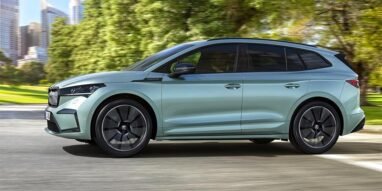
- Drive Type: AWD
- Body Type: 5-door crossover SUV
- Self Driving: Level 2
PROS
- Absurd power-to-weight for a five-seat crossover
- 800V architecture and NACS port (standard for 2026) mean fast charging and Supercharger access without an adapter
- 2026 price cut brings it much closer to key rivals like the Model Y Performance without touching the hardware
CONS
- EPA range (221 miles) trails most rivals by a wide margin, including the Model Y Performance
- No frunk data, no crash ratings yet, and several key figures remain unpublished by Hyundai
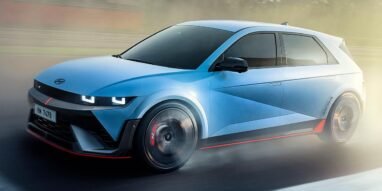
Most performance EVs chase a single number — a 0-60 time, a horsepower figure, a lap record. The Hyundai Ioniq 5 N chases something harder to quantify: whether an electric car can feel like it has a personality behind the wheel instead of just a battery under it.
For 2026, Hyundai trimmed the price rather than the ambition. The starting figure dropped by $6,300 to $61,500, putting it within striking distance of the Tesla Model Y Performance’s $59,630. That’s a meaningful shift for a car that was already the most interesting thing in its price bracket, and it happened without touching the hardware that made it interesting in the first place.
The numbers are still absurd for a crossover. 601 horsepower in normal driving, 641 with N Grin Boost engaged, and a 0-60 mph run in roughly 3.25 seconds — quick enough that most drivers will need a lap or two just to recalibrate their sense of how a five-seat SUV is supposed to behave. Torque sits in the mid-500 lb-ft range depending on the source you check, and Hyundai hasn’t been fully consistent about the exact figure across markets, so treat any single number here as a good estimate rather than gospel.
What actually separates the Hyundai Ioniq 5 N from the rest of the fast-EV crowd isn’t the power. It’s the stuff Hyundai built on top of it. N Grin Boost is a 10-second push-to-pass button, N e-Shift fakes gear changes and rev limits through the motors and speakers, and N Active Sound+ pipes in a synthesized soundtrack that ranges from spaceship whine to something approximating a combustion engine at full song. It’s gimmicky on paper. In practice, it’s the difference between an EV that goes fast and one that makes going fast feel like an event.
The trade-off is range, and it’s not a small one. The 84-kWh battery returns an EPA-estimated 221 miles, well behind the Model Y Performance’s 306. If your commute is short and your track days are frequent, that’s a fair exchange. If you’re planning to road-trip in this thing, the 800-volt architecture at least softens the blow — a 10% to 80% charge takes around 18 minutes on a fast enough DC charger, and every 2026 model now ships with a NACS port standard, so Tesla Supercharger access is no longer an afterthought.
Hyundai also quietly expanded the N Drive Optimizer Pro from a single mode to ten selectable stages for 2026, which sounds like a spec-sheet footnote until you realize it’s Hyundai admitting that different drivers actually want different things from a car like this — not everyone wants maximum aggression every time they get in.
Against the Kia EV6 GT, the Ford Mustang Mach-E GT, and the Chevrolet Blazer EV SS, the Hyundai Ioniq 5 N wins less on raw numbers and more on how deliberately weird its engineering choices are. Fake gearshifts in an EV shouldn’t work. They do here, mostly because Hyundai committed to the bit instead of treating it as a marketing checkbox.
Whether that’s worth $61,500 depends entirely on what you want from a fast electric car. If the answer is “just get me to 60 as cheaply as possible,” the Model Y Performance still wins on paper. If the answer involves actually enjoying the process, the Hyundai Ioniq 5 N is doing something none of its rivals are attempting.
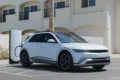
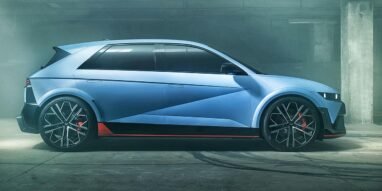
Hyundai Ioniq 5 N Photo
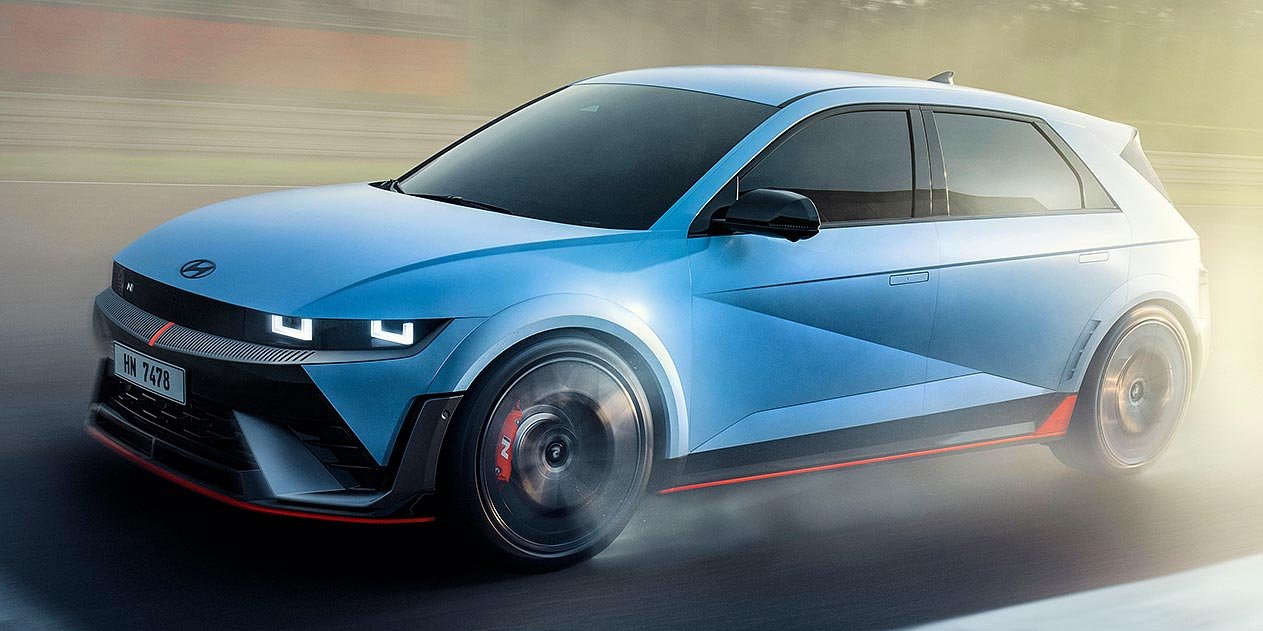
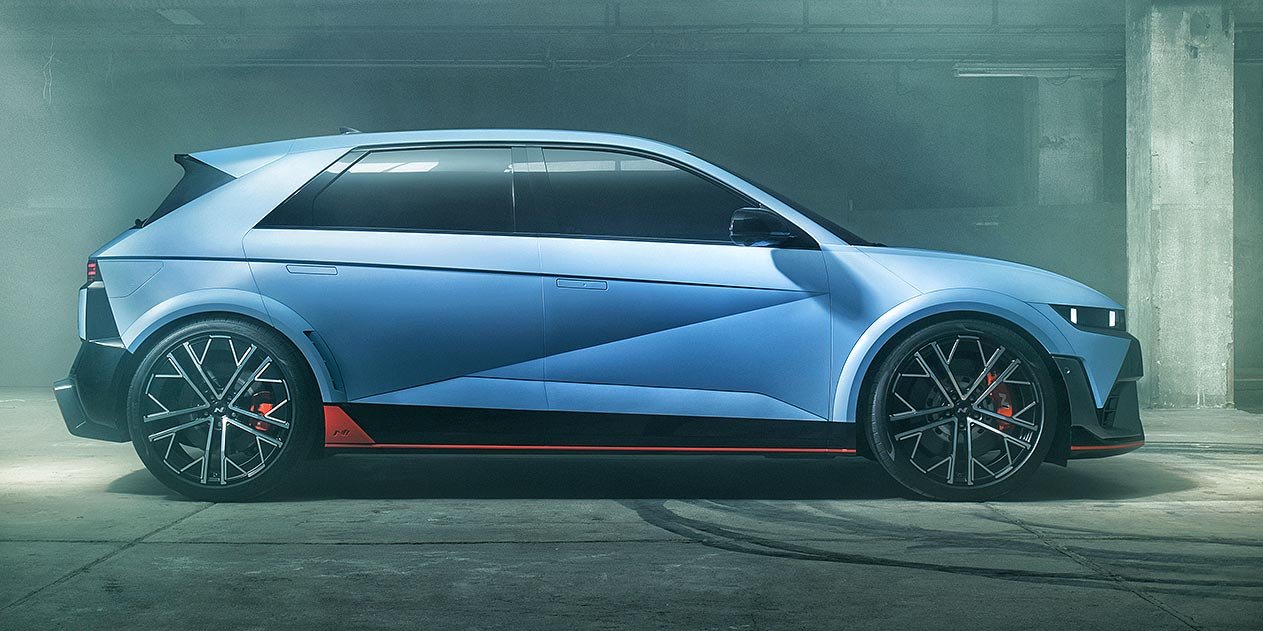
Full Electric Vehicle Specifications
MODEL
| Full Model Name | Hyundai Ioniq 5 N |
| Segment / Class | Electric performance crossover SUV |
| Available Trims / Variants | Single trim — N AWD (no sub-trims) |
| Powertrain Options | Dual-motor AWD only |
PRICE & AVAILABILITY
| Base Price (USD) | $61,500 (2026 MY, after a $6,300 cut) |
| Availability Status | On sale now |
| Markets Available | US, South Korea, Europe, and other global markets with local spec/pricing |
| Brand / Manufacturer | Hyundai Motor Company |
BATTERY & CHARGING
| Battery Capacity | 84.0 kWh, lithium-ion (supplier: SK Innovation) |
| Range (WLTP/CLTC/EPA) | 221 miles (EPA) |
| DC Charging (Max kW) | Up to 350 kW (800V ultra-fast architecture) |
| Charging Time (10–80%) | ~18 minutes |
| AC Charging (Max kW) | 10.9 kW onboard charger |
| Battery Warranty | 10 years / 100,000 miles |
| Energy Consumption | Not published by Hyundai for N trim |
PERFORMANCE
| Power Output (kW / hp) | 448 kW / 601 hp (normal); 478 kW / 641 hp with N Grin Boost) |
| 0–100 km/h / 0-60 mph (seconds) The acceleration numbers are an easy way to compare car performance. We list either time from 0 to 100 km/h or time from 0 to 60mph, depending on which number(s) the manufacturers provide. The lower the acceleration time, the higher performance the car is. | ~3.25 seconds |
| Motor Configuration | Dual permanent-magnet synchronous motors (AWD) |
| Torque (Nm) | 740 Nm / 545 lb-ft (normal); 770 Nm / 568 lb-ft with N Grin Boost |
| Top Speed (km/h / mph) | 162 mph / 260 km/h |
BODY & DIMENSIONS
| Dimensions (L×W×H mm) | 4,715 × 1,940 × 1,585 mm |
| Trunk/Boot Capacity (L) | 739 L (rear seats up) / 1,679 L (seats folded) |
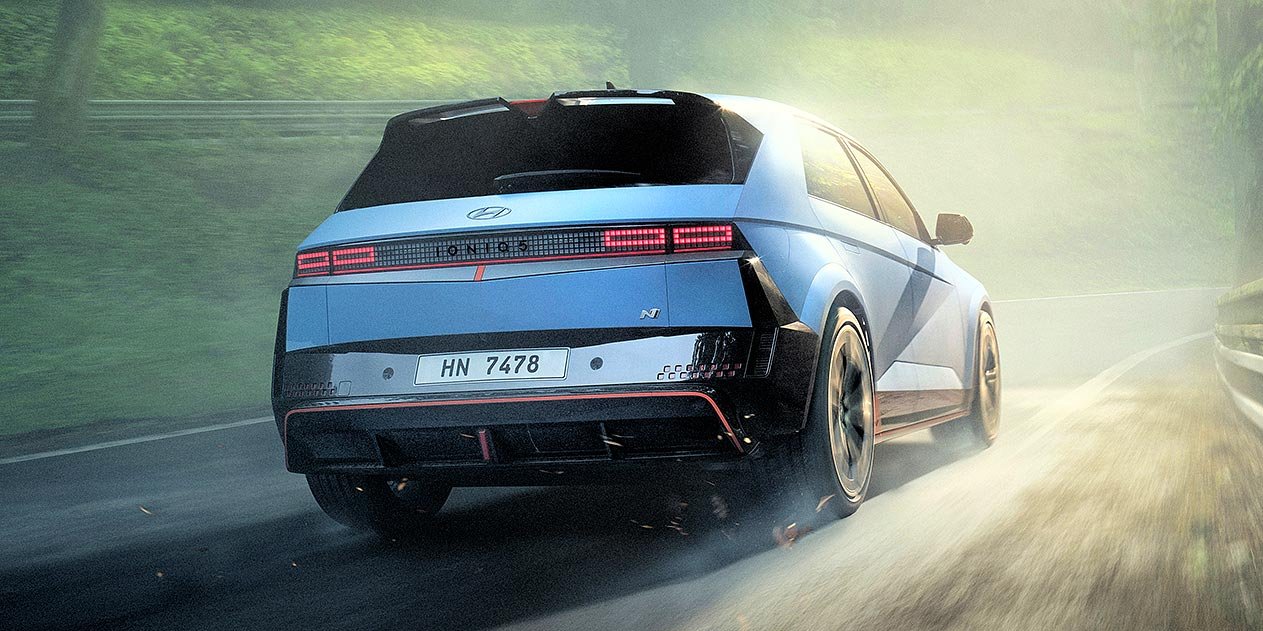
| Body Style | 5-door crossover SUV |
| Kerb Weight (kg) | 2,200 kg (4,850 lb) |
| Ground Clearance (mm) | 142 mm |
| Frunk/Bonnet Capacity (L) | Not listed |
| Sunroof | Not available on N trim (Vision Roof is not offered on this trim) |
SAFETY & DRIVER ASSISTANCE
| ADAS Features | Forward Collision-Avoidance Assist, Lane Keeping/Following Assist, Blind-Spot Collision-Avoidance Assist, Rear Cross-Traffic Assist, Highway Driving Assist 2, Smart Cruise Control w/ Stop & Go, Safe Exit Assist, Driver Attention Warning |
| Autonomous Driving Level | Level 2 (driver-assist, not self-driving) |
| Crash Test Ratings | Not yet rated by NHTSA/IIHS as of this writing |
| Over-the-Air (OTA) Safety Updates | Yes, via Bluelink+ connected car system |
COMFORT & SEATING
| Seating Capacity | 5 |
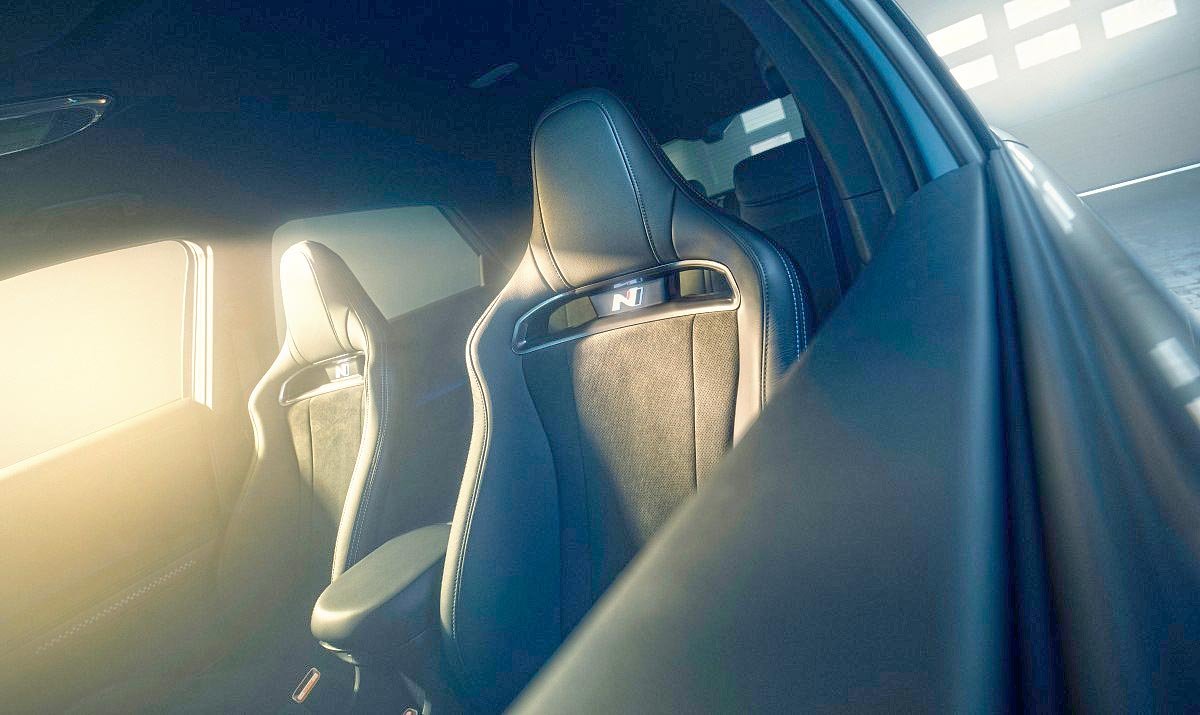
| Seat Material | N lightweight sport bucket seats, Eco Alcantara® with H-Tex® surfaces |
| Wireless Charging | Yes, 15W |
DISPLAYS & CONNECTIVITY
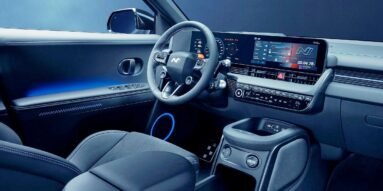
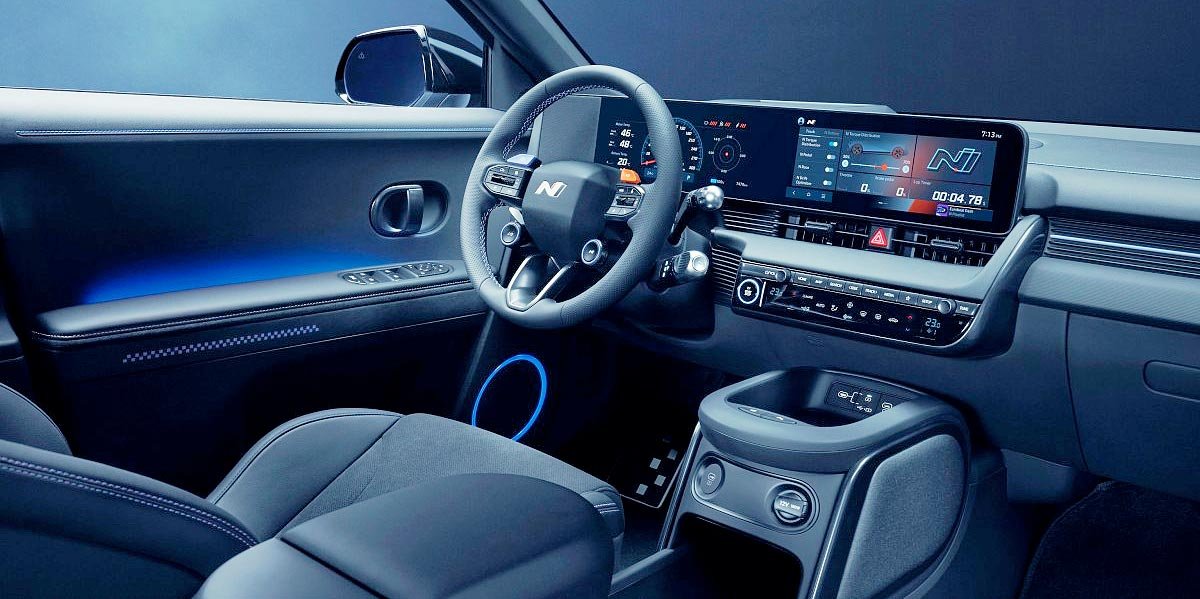
| Centre Screen (inches) | 12.3-inch touchscreen |
| Mirror Link / Apple CarPlay / Android Auto | Both, wireless |
| Driver's Display (inches) | 12.3-inch digital instrument cluster |
| Head-Up Display (HUD) | Not equipped |
TECHNOLOGY
| Vehicle-to-Load (V2L) | Yes, two-way onboard charging (external adapter required) |
| Vehicle-to-Grid (V2G) | Not supported |
| Over-the-Air Map Updates | Yes, via Bluelink+ |
ADDITIONAL SPECS
| Headlight Type (LED/Matrix/Laser) | LED (projector-type) |
| Adaptive Headlights | High Beam Assist only; no matrix/adaptive-beam system |
| Sound System Brand | Bose premium audio, external amplifier |
| Speaker Count | 8 |
| Navigation System | Built-in |
| Face Recognition | Not available |
| Fingerprint Sensor | Not available |
| Remote Parking | Not available on N trim |
| Official Dealer Network | Hyundai dealer network (US and other Hyundai markets) |
| Service Interval | Follows standard Hyundai EV maintenance schedule; confirm with dealer |
| Roadside Assistance | Included with new-vehicle warranty (typically 5 years/unlimited miles in the US) |
Note
| Data Source | Hyundai Motor America official spec sheet (July 2025 release, 2026 MY), cross-checked against CarGurus, InsideEVs, KBB, TrueDelta |
| Last Updated | September 2026 |
| Additional Notes | Several figures (range breakdown, curb weight, frunk capacity, crash ratings) were marked "TBD" or unpublished by Hyundai at time of writing |
| Editor's Note | Torque and price figures vary across secondary sources; the numbers above come from Hyundai's own spec sheet where available |
User Reviews
Disclaimer Note
Specifications sourced from manufacturer data and may reflect WLTP, CLTC, or EPA test conditions. Import prices in your local are estimates based on grey-market landing costs and exclude duties, clearing fees, and local taxes. Figures are subject to change without notice. Always verify with your local importer before purchase. We can not guarantee that the information on this page is 100% correct