- Home
- Electric Vehicles
- Hyundai
- Hyundai Ioniq 3
Hyundai Ioniq 3
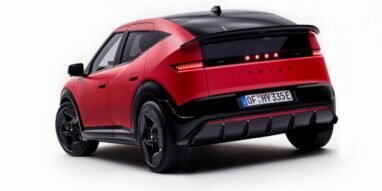
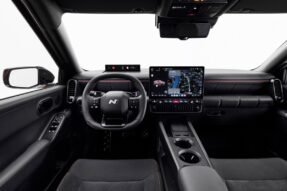
- Drive Type: FWD
- Type: 5 door crossover, 5 seats
- Self Driving:
- Airbags: Full Suite
PROS
- The Long Range variant's 496 km WLTP figure is positioned as class-leading for the B-segment hatchback category
- The 22 kW AC charging rate is strong for this segment
- Boot space is 441 litres total, split between a 322-litre main boot and a 119-litre Megabox under the load floor
CONS
- The DC peak charging rate is unconfirmed, and the 400-volt architecture puts a ceiling on how fast third-party data suggests it can charge
- A US launch is not expected due to current tariff conditions, and there is no confirmed availability outside Europe at launch
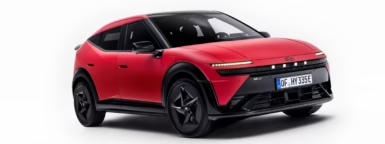
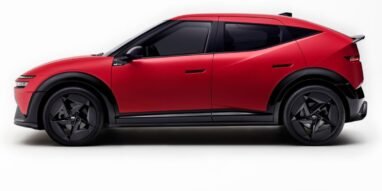
The Hyundai Ioniq 3 is a B-segment battery-electric hatchback produced by Hyundai Motor Company, unveiled at Milan Design Week in April 2026. It sits at the entry level of the Ioniq series, below the Ioniq 5 crossover and above the Inster supermini, making it Hyundai’s most accessible E-GMP-based EV to date. The body style is what Hyundai calls an “Aero Hatch” — a front-wheel-drive, single-motor configuration measuring 4,155 mm in length, built on the same 400-volt E-GMP platform that underpins the Ioniq 5 and 6. It is the first Hyundai produced at the İzmit plant in Turkey, and the first European Hyundai to carry the new Pleos Connect infotainment system.
Two battery options are available. The Standard Range uses a 42.2 kWh pack rated at up to 344 km (213 miles) on the WLTP cycle, while the Long Range uses a 61 kWh pack with a WLTP-rated ceiling of 496 km (308 miles). Both figures are WLTP; no EPA rating has been published, as a US launch is not currently confirmed. The single front motor produces up to 144 hp (107.8 kW) with 250 Nm of torque. AC onboard charging is rated at 22 kW, and DC fast charging brings both battery variants from 10% to 80% in under 30 minutes — approximately 29 minutes for the Standard Range and 30 minutes for the Long Range. Peak DC charging rate has not been officially confirmed by Hyundai at time of writing; treat any specific figures circulating in previews as unverified.
The starting price is expected to be around €30,000, with Hyundai’s European CEO confirming a Q3 2026 sales launch. UK pricing is expected to begin around £25,000. Both figures are projections based on pre-launch statements and have not been confirmed with a full trim-level breakdown. No pricing has been announced for African markets; the Ioniq 3 is not scheduled for a Nigerian or broader West African launch at this stage. Within Hyundai’s own lineup, it sits between the Inster (smaller, cheaper) and the Kona Electric (larger, higher price point). Externally, the closest rivals by size and segment include the Kia EV3, BYD Dolphin, Renault 4, VW ID.3, and Ford Puma Gen-E. The Kia EV3 is the most direct comparison because — same platform group, overlapping price band, and direct sibling rivalry. The Ioniq 3 targets urban and suburban drivers who want compact exterior dimensions without giving up rear-seat legroom or cargo space — young families, city commuters, and first-time EV buyers stepping up from ICE hatchbacks.
Hyundai Ioniq 3 Images
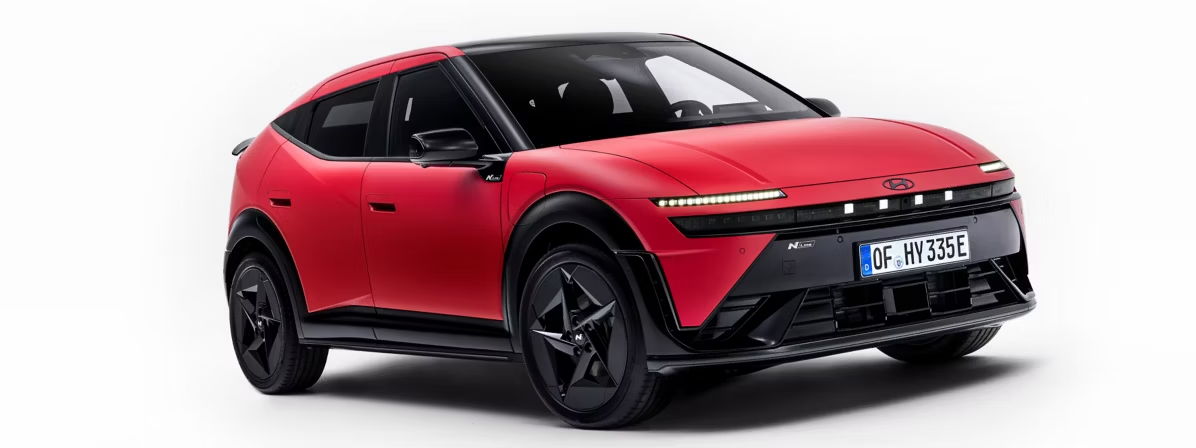
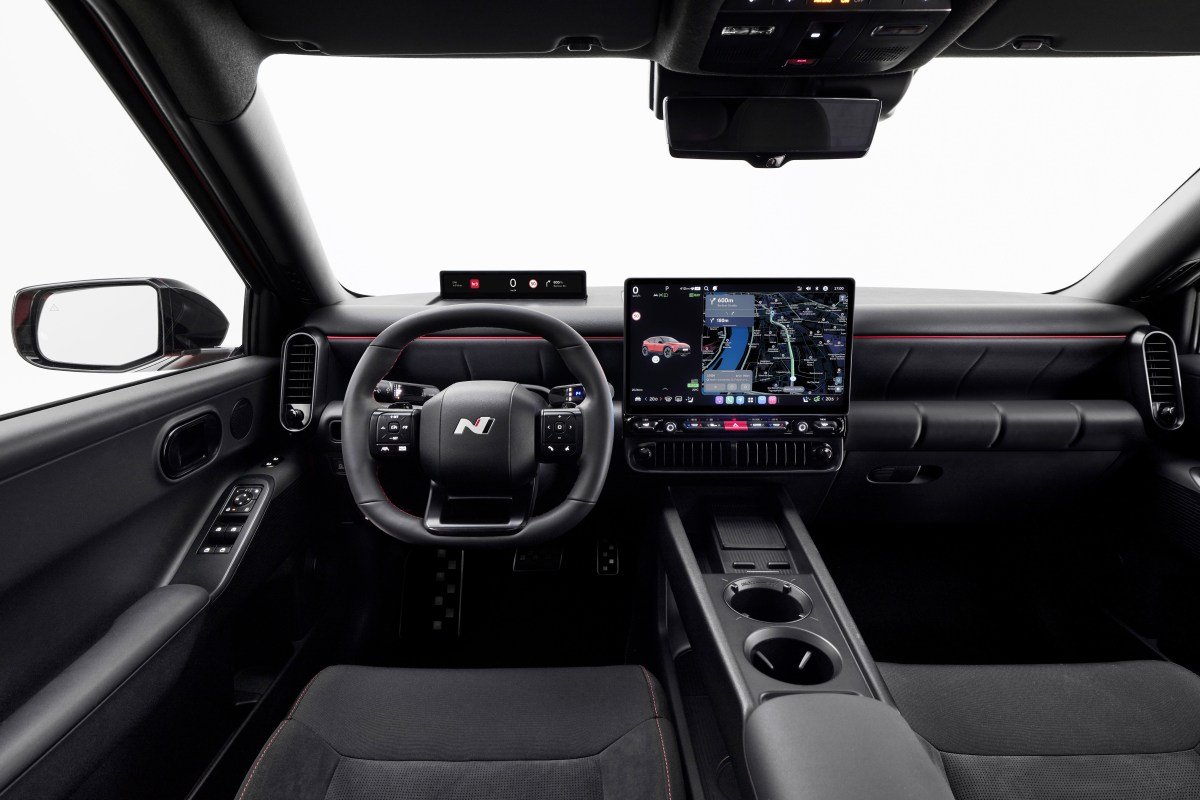
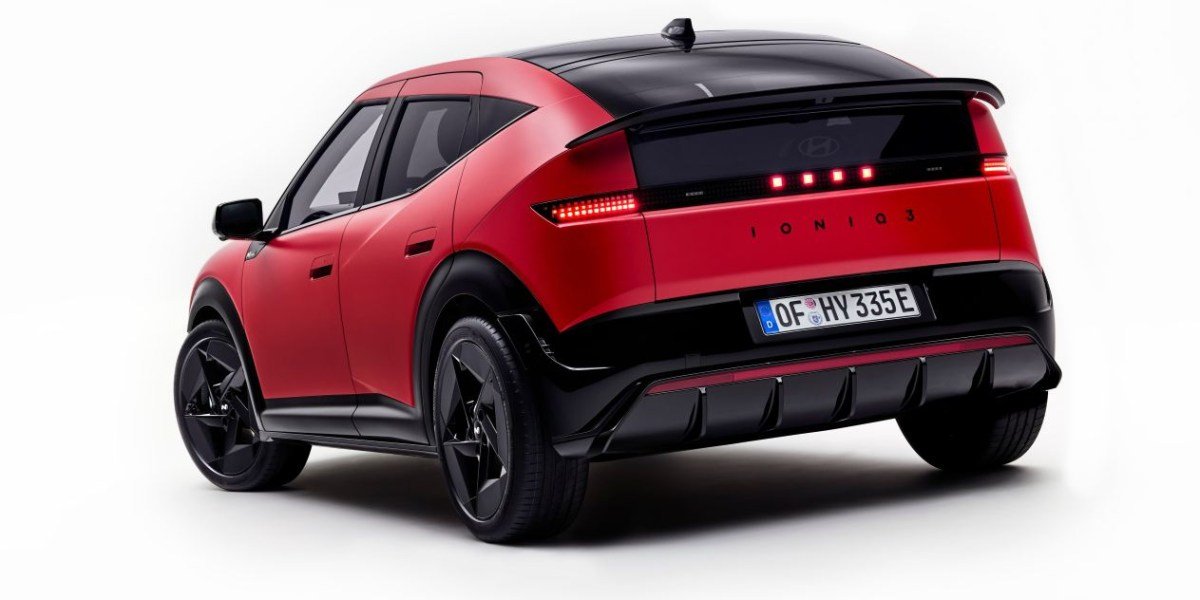
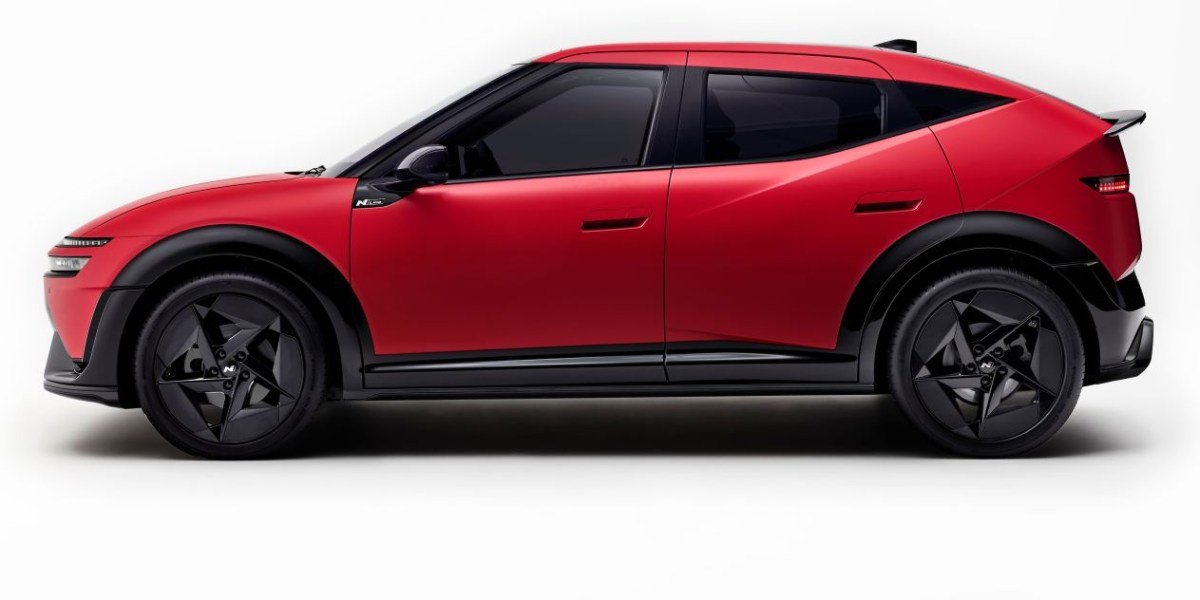
Full Electric Vehicle Specifications
MODEL
| Available Trims / Variants |
Hyundai Ioniq 3 Standard Range Hyundai Ioniq 3 Long Range |
PRICE & AVAILABILITY
| Availability Status | Coming soon. Expected release: 2026, Q4 |
BATTERY & CHARGING
| Battery Capacity |
42.2 kWh total - Hyundai Ioniq 3 Standard Range 61 kWh total - Hyundai Ioniq 3 Long Range |
| Range (WLTP/CLTC/EPA) |
214 mi WLTP - Hyundai Ioniq 3 Standard Range 308 mi WLTP - Hyundai Ioniq 3 Long Range |
| DC Charging (Max kW) |
CCS , 10-80% in 29 min - Hyundai Ioniq 3 Standard Range CCS , 10-80% in 30 min - Hyundai Ioniq 3 Long Range |
| AC Charging (Max kW) |
Type 2 11 kW Type 2 22 kW (optional) |
PERFORMANCE
| Power Output (kW / hp) |
FWD 147 hp (107 kW) - Hyundai Ioniq 3 Standard Range FWD 135 hp (99 kW) - Hyundai Ioniq 3 Long Range |
| 0–100 km/h / 0-60 mph (seconds) The acceleration numbers are an easy way to compare car performance. We list either time from 0 to 100 km/h or time from 0 to 60mph, depending on which number(s) the manufacturers provide. The lower the acceleration time, the higher performance the car is. |
9 sec 0-62 mph - Hyundai Ioniq 3 Standard Range 9.6 sec 0-62 mph - Hyundai Ioniq 3 Long Range |
| Torque (Nm) | 250 Nm (184 lb-ft) |
| Top Speed (km/h / mph) | 106 mph (170 km/h) |
BODY & DIMENSIONS
| Dimensions (L×W×H mm) | 4155 x 1800 x 1505 mm (163.6 x 70.9 x 59.3 in) |
| Trunk/Boot Capacity (L) | EU: 441 l |
| Body Style | 5 door crossover, 5 seats |
| Kerb Weight (kg) |
EU: 1550 kg unladen - Hyundai Ioniq 3 Standard Range EU: 1580 kg unladen - Hyundai Ioniq 3 Long Range |
| Frunk/Bonnet Capacity (L) | No |
SAFETY & DRIVER ASSISTANCE
COMFORT & SEATING
| Seating Capacity | Heated and ventilated front seats, heated rear seats |
DISPLAYS & CONNECTIVITY
| Centre Screen (inches) | 12.9" or 14.6" touchscreen |
| Driver's Display (inches) | 12.3" |
| Head-Up Display (HUD) | Yes, projector type |
TECHNOLOGY
ADDITIONAL SPECS
Note
User Reviews
Disclaimer Note
Specifications sourced from manufacturer data and may reflect WLTP, CLTC, or EPA test conditions. Import prices in your local are estimates based on grey-market landing costs and exclude duties, clearing fees, and local taxes. Figures are subject to change without notice. Always verify with your local importer before purchase. We can not guarantee that the information on this page is 100% correct