- Home
- Electric Vehicles
- Hyundai
- Hyundai Ioniq 6 N
Hyundai Ioniq 6 N

- Drive Type: AWD
- Type: 4 door sedan, 5 seats
- Self Driving: No
- Airbags: 7 Airbags
PROS
- Blistering Performance
- Advanced 800‑Volt Architecture & Rapid Charging
- erodynamic Efficiency with Sport Appeal
- Fun & Engaging Driving Experience
CONS
- High Cost & Pending US Price
- Competitive Range Drop Under Hard Use
- Polarizing Looks & Potential Hatchback Disappointment
- Sedan (Not Liftback) Boot Layout
- Some Interior Materials Still Cost‑Cutting
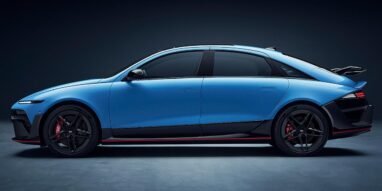
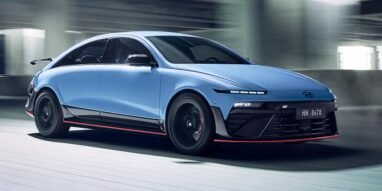
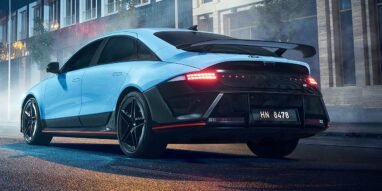
The Hyundai Ioniq 6 N is Hyundai’s upcoming high-performance electric sedan developed under the company’s N performance division. Built by Hyundai Motor Company, the model sits at the flagship end of the Ioniq lineup. It belongs to the midsize electric fastback sedan segment and uses a dual-motor all-wheel-drive configuration. The Ioniq 6 N follows Hyundai’s E-GMP electric platform strategy already seen in several Hyundai, Kia, and Genesis EVs. The car stands out as Hyundai’s first fully electric N-badged sedan, expanding the company’s performance EV lineup after the launch of the Hyundai Ioniq 5 N.
The Hyundai Ioniq 6 N is expected to use an 84 kWh battery pack, although Hyundai had not confirmed the final usable battery capacity at the time of writing. Early industry previews suggest a WLTP driving range between 450 km and 550 km depending on wheel size, tire setup, and driving conditions. Official EPA range estimates for the United States were still unavailable before launch. Hyundai is expected to equip the sedan with its latest 800-volt charging system, supporting AC charging up to 11 kW and DC fast charging rates between 260 kW and 350 kW on compatible chargers. Under ideal conditions, the battery should charge from 10% to 80% in around 18 minutes. Some charging and performance figures remain preliminary because Hyundai was still finalizing production specifications during preview stages.
Performance is expected to be a major focus of the Ioniq 6 N. Reports indicate the dual-motor setup could produce more than 600 horsepower, placing the sedan in direct competition with several established electric performance models. Hyundai’s N division is also expected to include track-focused thermal management systems, upgraded braking hardware, adaptive suspension tuning, and software-based driving modes designed for spirited driving. Like the Ioniq 5 N, the sedan could include simulated gear shifts and synthetic driving sounds to improve driver engagement. Hyundai had not officially confirmed all hardware specifications before global release.
Pricing for the Hyundai Ioniq 6 N is expected to start between €75,000 and €85,000 in Europe depending on trim level and optional equipment. In the United States, analysts expect a starting price close to $70,000 before incentives. Regional pricing for markets such as Africa and the Middle East had not been announced during the pre-launch period. The sedan fits buyers who want a fast electric car with everyday practicality, long-distance charging capability, and sport-focused handling without moving into higher-priced luxury EV brands.
Within Hyundai’s lineup, the Ioniq 6 N sits above the standard Hyundai Ioniq 6 and joins the Hyundai Ioniq 5 N as part of Hyundai’s expanding electric N portfolio. Key rivals include the Tesla Model 3 Performance and the BMW i4 M50. Both competitors target the same high-performance electric sedan segment with dual-motor powertrains and advanced driver technology.
The closest comparison for most buyers is the Tesla Model 3 Performance. Both vehicles focus on fast acceleration, all-wheel-drive traction, and premium EV technology in a midsize sedan format. Hyundai’s edge comes from its 800V charging architecture and dedicated N performance tuning, while Tesla maintains strengths in software integration and charging infrastructure access.
The Hyundai Ioniq 6 N also signals Hyundai’s push toward performance-focused EVs beyond traditional gasoline-powered N models. Instead of relying on combustion-engine tuning, the sedan focuses on battery cooling efficiency, software-controlled torque distribution, regenerative braking control, and performance-oriented chassis calibration. Final specifications, official range certification, and market availability are expected closer to the model’s global launch.
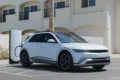
Hyundai Ioniq 6 N Images


Full Electric Vehicle Specifications
MODEL
PRICE & AVAILABILITY
| Availability Status | Coming soon. Expected release 2025 |
BATTERY & CHARGING
| Battery Capacity | 84 kWh total |
| DC Charging (Max kW) | CCS 350 kW max, 10-80% in 18 min |
| AC Charging (Max kW) | Type 2 11 kW |
PERFORMANCE
| Power Output (kW / hp) | AWD 650 hp (478 kW) |
| 0–100 km/h / 0-60 mph (seconds) The acceleration numbers are an easy way to compare car performance. We list either time from 0 to 100 km/h or time from 0 to 60mph, depending on which number(s) the manufacturers provide. The lower the acceleration time, the higher performance the car is. | 3.2 sec 0-62 mph |
| Torque (Nm) | 568 lb-ft (770 Nm) |
| Top Speed (km/h / mph) | 160 mph (257 km/h) |
BODY & DIMENSIONS
| Dimensions (L×W×H mm) | 194.3 x 76.4 x 58.9 in (4935 x 1940 x 1495 mm) |
| Body Style | 4 door sedan, 5 seats |
| Frunk/Bonnet Capacity (L) | No |
SAFETY & DRIVER ASSISTANCE
COMFORT & SEATING
| Seating Capacity | Heated and ventilated front seats, heated rear seats |
DISPLAYS & CONNECTIVITY
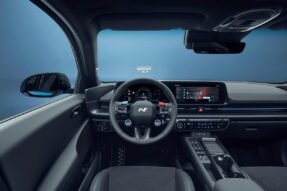
| Centre Screen (inches) | 12.3" touchscreen |
| Driver's Display (inches) | 12.3" |
| Head-Up Display (HUD) | Yes, projector type |
TECHNOLOGY
ADDITIONAL SPECS
Note
User Reviews
Disclaimer Note
Specifications sourced from manufacturer data and may reflect WLTP, CLTC, or EPA test conditions. Import prices in your local are estimates based on grey-market landing costs and exclude duties, clearing fees, and local taxes. Figures are subject to change without notice. Always verify with your local importer before purchase. We can not guarantee that the information on this page is 100% correct