Kenya Scraps Petrol Vehicle Plan, Orders 3,000 Electric Cars as Middle East War Spikes Oil Prices
Treasury CS John Mbadi says Middle East conflict has forced Kenya to accelerate its shift to electric vehicles, with a local supplier set to assemble 3,000 EVs — up from 2,500 petrol cars originally planned.
Kenya’s government has abandoned plans to purchase 2,500 fuel-powered vehicles and will instead procure 3,000 locally assembled electric vehicles (EVs), Treasury Cabinet Secretary John Mbadi has announced — citing the escalating Israel-US war on Iran as a key trigger.
Mbadi made the disclosure before the National Assembly’s Finance and National Planning Committee, chaired by Molo MP Kuria Kimani, warning that the Middle East conflict poses direct risks to Kenya’s economy through fuel import costs and supply disruptions.
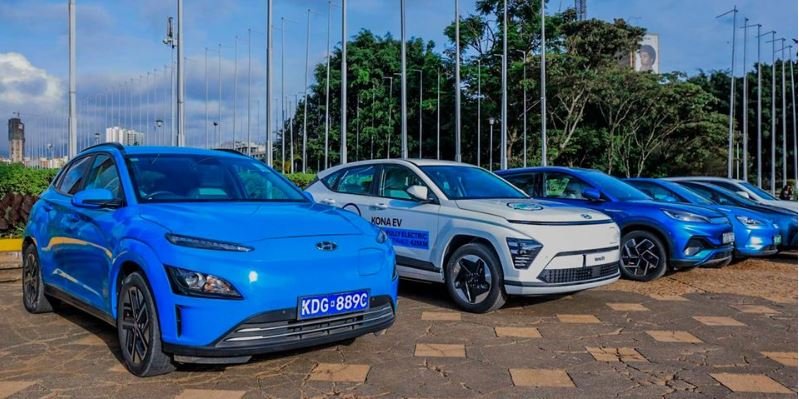
“We must reduce reliance on fossil fuels and go to electric vehicles,” Mbadi told MPs. “The supplier will assemble them here and this will create jobs for local youth.”
Oil Prices Surge as Strait of Hormuz Blockade Bites
The conflict, which began on February 28, 2026, when Israel and the United States launched large-scale strikes on Iran, has triggered retaliatory attacks on US bases across Qatar, Bahrain, Jordan, the UAE, and Kuwait — and prompted Iran to blockade the Strait of Hormuz.
The Strait is one of the world’s most critical energy chokepoints, carrying approximately 20% of global oil and gas supply annually. Its disruption has sent crude prices soaring.
Kenya’s key oil benchmark, Murban crude, jumped from $63.6 per barrel in February 2026 to a peak above $116, before easing to $95.9 per barrel by mid-March. Brent crude followed a similar trajectory.
Kenya Highly Exposed to Middle East Oil Shock
Mbadi warned that Kenya is particularly vulnerable to the crisis. Petroleum imports account for roughly 20% of Kenya’s total import bill, making fuel availability and pricing a direct threat to inflation, industrial output, and economic stability.
“The Middle East accounts for approximately 30–35% of global crude oil production and 17–20% of natural gas output,” Mbadi said. “As Africa’s largest external supplier of petroleum products, instability in the region hits African economies hardest.”
Tax Incentives for EVs on the Way
To fast-track EV adoption, the Treasury is developing tax incentives through the proposed Tax Laws (Amendment) Bill, designed to reduce the cost of locally assembled electric vehicles for both government and private buyers.
Mbadi last week also told MPs that the government will review VAT on petroleum products and deploy a Sh17 billion fuel stabilisation fund to protect consumers if the conflict extends beyond the May–June pump price review window.
Related EV News
- Gotion, Chery, and Green Power Morocco to Launch 100-Truck Electric Freight Corridor
- BYD Expands to Rural South Africa — 70 Dealerships Planned by End of 2026
- 2025 Nio ES9 Flagship SUV: Official Images, Specs, Price & April 9 Debut
- Mercedes-Benz Just Changed How Cars Steer for the First Time in 140 Years
- GAC Aion N60 SUV: 610 km Range, LiDAR, Under $22K