Nigeria’s Electric Vehicle Transition Is Accelerating — Here’s What’s Driving It
Nigeria is on the verge of becoming Africa’s electric vehicle (EV) manufacturing leader. With surging vehicle demand, volatile fuel prices, and a landmark EV bill nearing final passage, the country’s mobility transition has shifted from ambition to action.
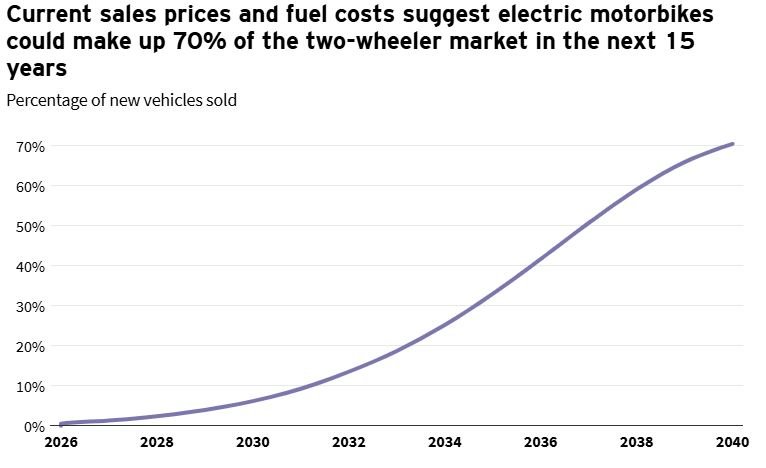
Nigerians purchase 720,000 vehicles annually — 98% of them imported — draining US$8 billion from the economy each year. Motorcycle sales alone have doubled for three consecutive years. Now, a wave of private sector innovation, new financing models, and government policy is redirecting that demand toward electric alternatives.
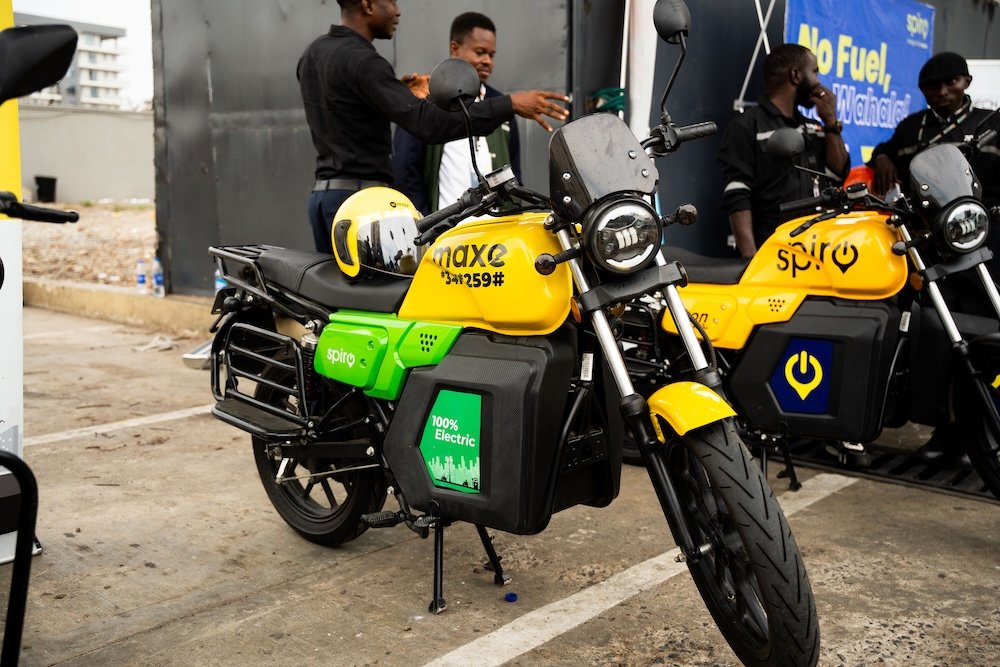
Why Nigeria’s EV Opportunity Is Unlike Any Other in Africa
Nigeria’s transport sector currently emits 60 million metric tons of CO₂ equivalent per year. Without intervention, emissions could rise 50% by 2035 and more than double by 2050 — driven by population growth and rising economic activity.
But that same growth creates enormous EV opportunity. Motorbikes, three-wheelers, vans, and minibuses — the backbone of Nigeria’s informal economy — are among the most practical vehicle categories to electrify.
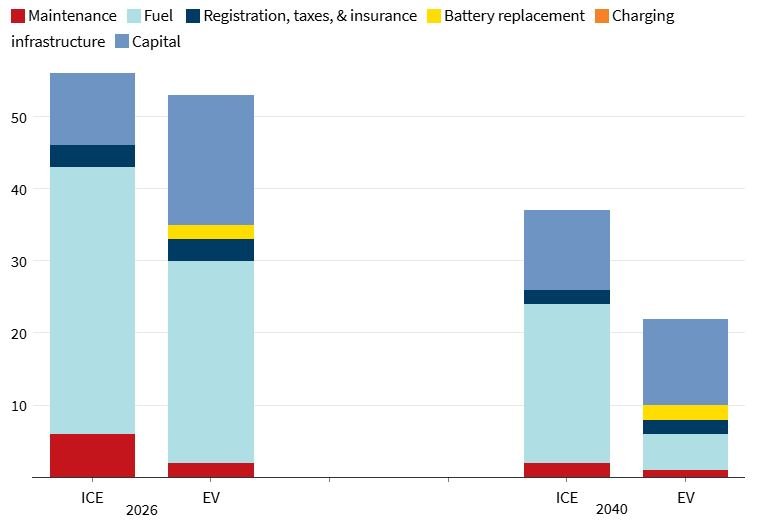
The economics already favor EVs. Electric motorcycles in Nigeria offer a lower total cost of ownership (TCO) than petrol-powered two-wheelers today. By 2040, their TCO will be half that of an equivalent internal combustion engine (ICE) vehicle.
Nigeria’s Landmark EV Bill Explained
The Electric Vehicle Transition and Green Mobility Bill passed its second Senate reading in late 2025 and is expected to receive a final vote and presidential assent this legislative session.
Key provisions include:
- 30% domestic content requirement — all EVs sold in Nigeria must source 30% of components locally by 2030
- Tax holidays and import duty waivers on select EVs
- Road tax and toll exemptions for EV users
- Mandatory minimum production of 5,000 EVs per year for licensed manufacturers
- Investment incentives for EV manufacturing, charging infrastructure, and workforce training
Nigeria currently produces roughly 14,000 cars per year — but its factories have capacity for over 600,000. The bill is designed to close that gap.
The Startups and Deals Reshaping Nigeria’s EV Landscape
Spiro — one of Africa’s largest EV companies — opened a 100,000-unit capacity assembly plant in Ogun State in 2025. It now operates over 100 battery-swapping stations across Lagos and Ogun State, with plans to expand to 2,000 stations in 2026.
MAX, a Lagos-based e-mobility platform founded a decade ago, closed a $24 million equity investment in January 2026 from Equitane DMCC, Novastar, and Endeavor Catalyst — plus climate debt from the Energy Entrepreneurs Growth Fund — to expand its EV fleet, battery-swapping network, and renewable-powered charging infrastructure into wider West Africa.
LagRide, in partnership with Lagos State and United Bank for Africa, launched a $100 million financing facility in December to deploy EVs and charging infrastructure at scale. Its “Drive to Own” program has already enabled 3,500 drivers to transition from daily vehicle rentals to ownership — using vehicle data to assess creditworthiness and unlock structured financing.
FMITI signed an MOU with South Korea’s Asian Economic Development Committee in January 2026 to build an EV assembly plant in Kano with an annual production capacity of 300,000 vehicles.
Solving Nigeria’s Charging Problem With Solar
Grid reliability remains a core challenge for EV charging in Nigeria. Startups are tackling it directly.
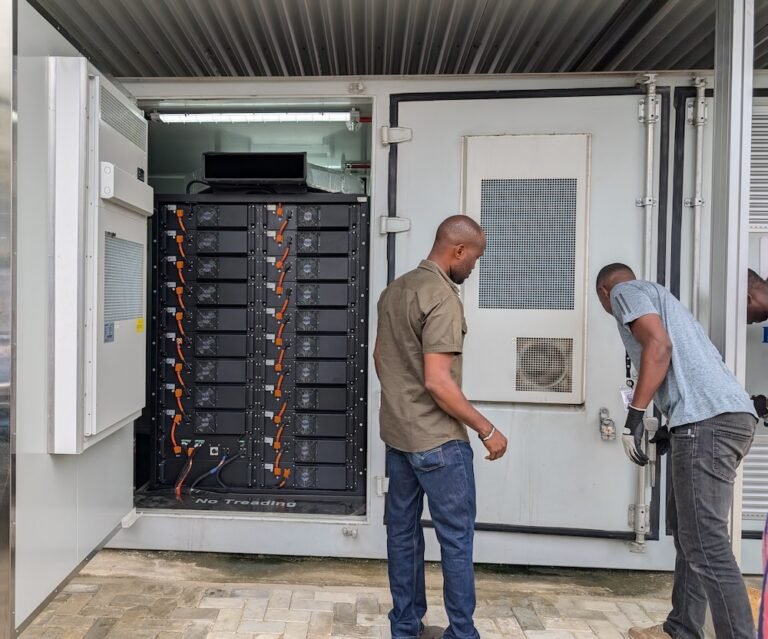
SunFi combines solar generation, battery storage, and EV charging into a single fintech-enabled platform — ensuring drivers can charge regardless of grid outages. Its lease-to-own and subscription models eliminate high upfront costs, while embedding structured financing for solar installers and end-users alike.
AaraGO operates solar-powered battery swap cabinets, providing commercial e-motorcycle riders with fast, clean battery exchanges without grid dependency.
What Comes Next
Nigeria stands at a decisive moment. Private investment is flowing. Legislation is advancing. Local manufacturers are scaling. And EVs are already proving their economic case — not just for climate goals, but for household budgets and business costs.
The passage of the EV Transition Bill would cement Nigeria’s position as the EV manufacturing hub of Africa — and signal to investors, OEMs, and trading partners that the continent’s largest economy is serious about leading the clean mobility revolution.
Related EV News
- LG Energy Solution Posts $138M Q1 2026 Loss as EV Demand Slows — Worse Than Expected
- Rivian R2 EPA Ratings Leaked: 335-Mile Range, 144 MPGe — and It Beats the Tesla Model Y
- EV Adoption in Africa 2026: The Complete Data Guide
- BYD EV Sales Hit 589 Units — But South Africa Isn’t Ready
- XPeng Turns Profit and Expands to Mexico With G6 and G9