- Home
- Electric Vehicles
- Skoda
- Skoda Epiq
Skoda Epiq

- Drive Type: FWD
- Body Type: 5-door compact electric SUV / Crossover
- Self Driving: Level 2
- Airbags: 9 Airbags
PROS
- Competitive Price
- "Simply Clever" Practicality
- Strong Estimated Range
CONS
- The Price Promise
- Performance & Power
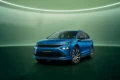
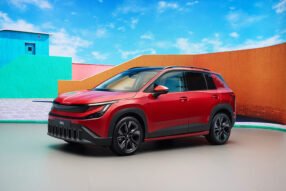
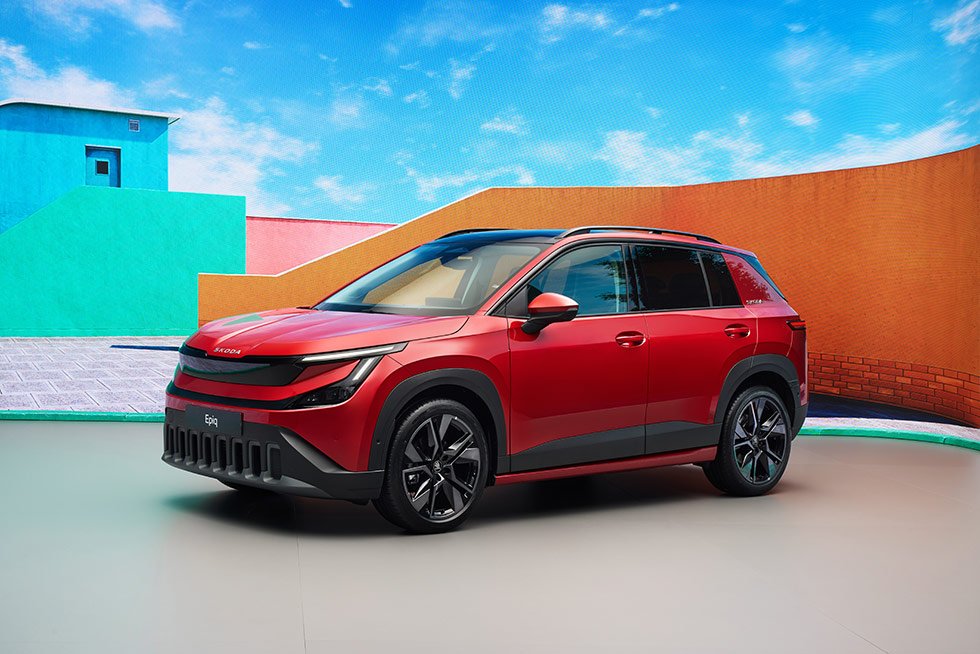
The Škoda Epiq is Škoda’s first compact all‑electric SUV and one of the most affordable EVs in the brand’s growing electric line‑up. It sits in the B‑segment city‑SUV category, with a crossover body style, front‑wheel drive, and a battery‑electric powertrain, built on the Volkswagen‑Group MEB+ platform designed specifically for small electric vehicles in this segment. This makes the Epiq notable not for flashy marketing, but for its role as Škoda’s entry‑level electric SUV, bridging the gap between its traditional petrol models and the larger Enyaq family.
Powertrain, range, and charging
Škoda offers the Epiq with two battery options: a smaller 38‑kWh gross lithium‑iron‑phosphate (LFP) pack for the Epiq 35 and 40, and a larger 55‑kWh gross lithium‑nickel‑manganese‑cobalt (NMC) pack for the Epiq 55. This translates to around 37‑kWh net usable for the LFP units and about 51.7–52‑kWh net for the NMC, figures that help keep efficiency high and cost lower on the base variants.
On the WLTP test cycle, the Epiq 35/40 delivers roughly 315 km of combined range, while the Epiq 55 can reach up to 430 km (about 267 miles), making it suitable for daily urban use and most weekend trips without constant range anxiety. All versions support 11‑kW AC charging, while DC fast‑charging peaks at 90 kW for the Epiq 40 and 125 kW for the Epiq 55, with the higher‑spec model quoted at around 23 minutes for a 10–80% DC top‑up. The 10–80% time for the Epiq 40 is listed as “to be specified,” so that figure should be treated as provisional rather than final.
Pricing, buyer profile, and brand context
At launch, the Epiq is priced to mirror the combustion‑driven Kamiq in many markets, putting it in an entry‑level EV price bracket. In the UK, for example, the Kamiq starts around £25,000, and the Epiq slots in at or slightly above that level, making it one of Škoda’s most affordable new EVs. This pricing positions the Epiq as a realistic choice for buyers who want to electrify their daily drive without moving straight into premium‑priced family SUVs.
The typical buyer for the Epiq is someone using the car mainly for city and suburban commuting, with occasional weekend trips rather than long‑haul highway driving. Its compact size, moderate range, and relatively low running costs make it well suited to urban residents, young families, and small‑business fleets rather than long‑distance hyphen‑chasing drivers.
Within Škoda’s own line‑up, the Epiq sits below the mid‑size Enyaq iV and Enyaq Coupé, while effectively replacing the Kamiq‑size slot with an electric alternative. This creates a clear progression: compact electric (Epiq) → mid‑size family EV (Enyaq), giving customers a defined upgrade path within the brand.
Competition and closest match
Externally, the Epiq competes with similarly priced compact EVs such as the Renault 4 and Hyundai Inster, both of which target the “affordable urban electric SUV” segment with modest range and small physical footprints. These rivals share the Epiq’s focus on city‑friendly dimensions, practicality, and value‑oriented pricing rather than outright performance or luxury.
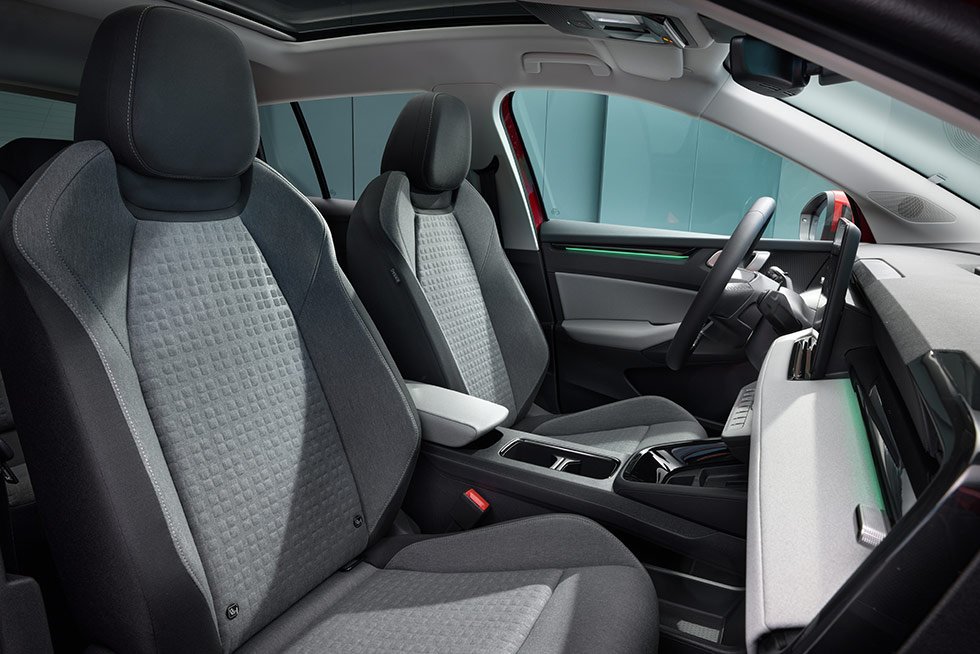
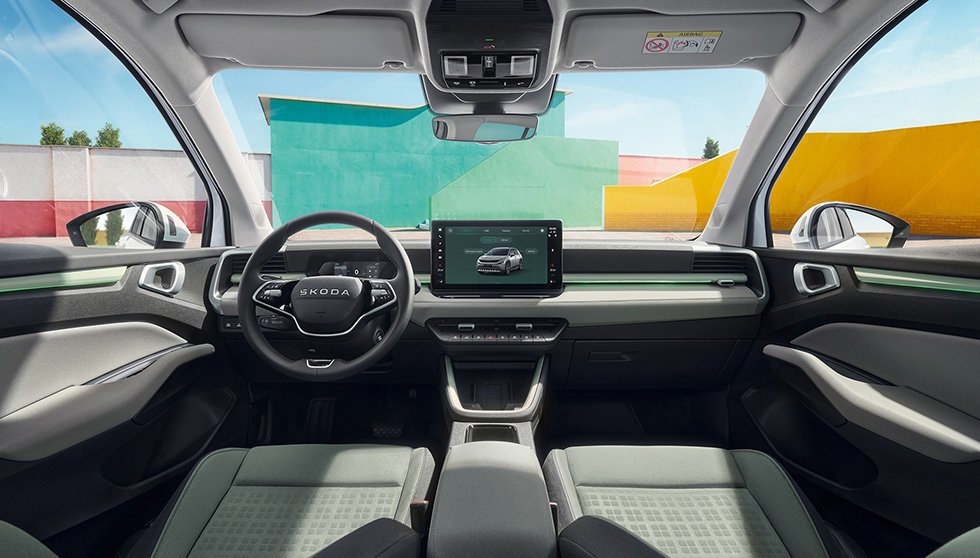
Skoda Epiq Images
Full Electric Vehicle Specifications
MODEL
| Full Model Name | Skoda Epiq |
| Segment / Class | Subcompact Electric SUV / Crossover |
| Available Trims / Variants | Epiq 35, Epiq 40, Epiq 55; SE L, Edition, First Edition (UK) |
| Powertrain Options | 85 kW (Epiq 35), 99 kW (Epiq 40), 155 kW (Epiq 55) |
PRICE & AVAILABILITY
| Base Price (USD) | ~$31,500 (est. from £24,950 UK base) |
| Availability Status | Orders open July 2026; deliveries shortly after |
| Markets Available | UK, Europe (confirmed); other markets TBC |
| Brand / Manufacturer | Skoda (Volkswagen Group) |
BATTERY & CHARGING
| Battery Capacity |
38.5 kWh / ~37 kWh - Epiq 35 / 40 56 kWh gross / 52 kWh usable - Epiq 55 |
| Range (WLTP/CLTC/EPA) |
~310 km (~196 miles) (WLTP) - Epiq 35 / 40 ~440 km (~272 miles) (WLTP) - Epiq 55 |
| DC Charging (Max kW) |
50 kW (Epiq 35) / 90 kW (Epiq 40) - Epiq 35 / 40 133 kW - Epiq 55 |
| Charging Time (10–80%) |
~28 min (Epiq 40 at 90 kW) - Epiq 35 / 40 ~23 min - Epiq 55 |
| AC Charging (Max kW) | 11 kW |
| Battery Warranty | 8 years / 100,000 miles |
PERFORMANCE
| Power Output (kW / hp) |
85 kW / 116 PS (114 hp) - Epiq 35 99 kW / 135 PS (133 hp) - Epiq 40 155 kW / 211 PS (208 hp) - Epiq 55 |
| 0–100 km/h / 0-60 mph (seconds) The acceleration numbers are an easy way to compare car performance. We list either time from 0 to 100 km/h or time from 0 to 60mph, depending on which number(s) the manufacturers provide. The lower the acceleration time, the higher performance the car is. |
~9.8 sec (0–62 mph) - Epiq 40 ~7.4 sec (0–62 mph) - Epiq 55 |
| Motor Configuration | Front-wheel drive |
| Torque (Nm) |
267 Nm - Epiq 35 267 Nm - Epiq 40 290 Nm - Epiq 55 |
BODY & DIMENSIONS
| Dimensions (L×W×H mm) | 4,171 mm × 1,798 mm × 1,581 mm |
| Trunk/Boot Capacity (L) | 475 litres (up to 1,344 litres seats folded) |
| Body Style | 5-door compact electric SUV / Crossover |
| Kerb Weight (kg) | ~1,542 kg (LFP models) / ~1,544 kg (NMC model) |
| Frunk/Bonnet Capacity (L) | 25 litres |
SAFETY & DRIVER ASSISTANCE
| ADAS Features | Automatic Emergency Braking (AEB), lane assist, traffic sign recognition, Cross Assist 2.0 (blind junction warning) |
| Autonomous Driving Level | SAE Level 2 (with Travel Assist 3.0) |
| Over-the-Air (OTA) Safety Updates | Yes |
COMFORT & SEATING
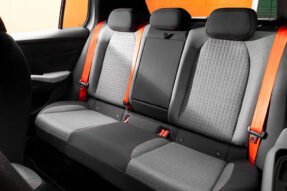
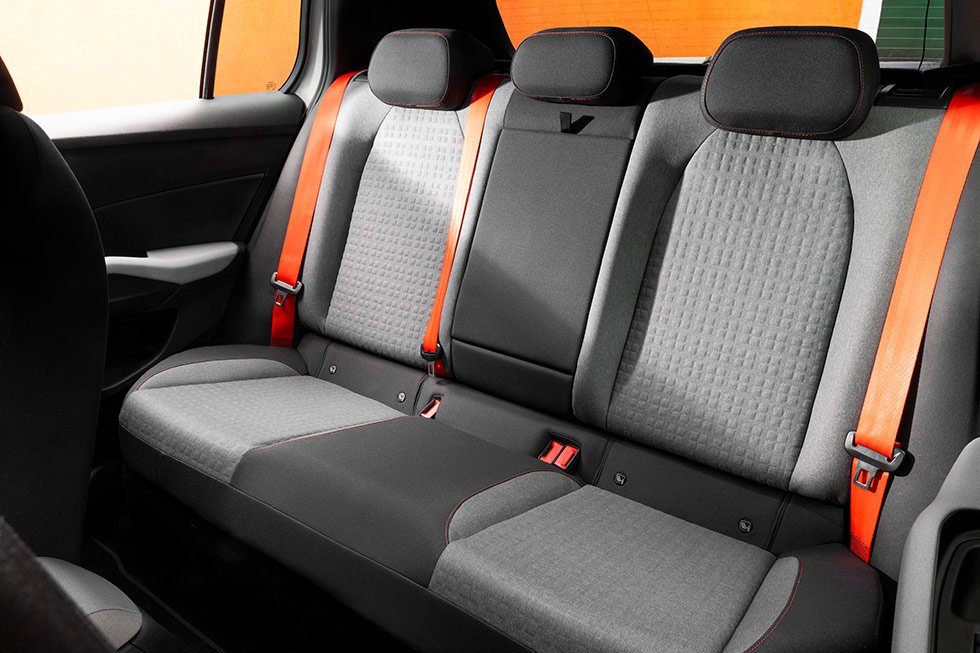
| Seating Capacity | 5 |
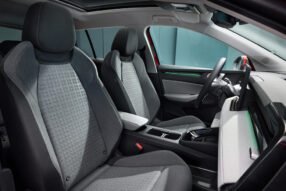
| Seat Material | Textile (recycled polyester fibres) or Techtona (animal-free artificial leather) on higher trims |
| Wireless Charging | Yes |
DISPLAYS & CONNECTIVITY
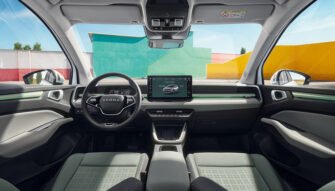
| Centre Screen (inches) | 13-inch touchscreen (Android-based) |
| Mirror Link / Apple CarPlay / Android Auto | Yes (wireless smartphone connectivity) |
| Driver's Display (inches) | 5-inch digital driver display |
| Head-Up Display (HUD) | Optional AR HUD |
TECHNOLOGY
| Vehicle-to-Grid (V2G) | Yes — supported |
| Over-the-Air Map Updates | Yes |
ADDITIONAL SPECS
| Headlight Type (LED/Matrix/Laser) | LED standard; Matrix LED optional on top-spec |
| Adaptive Headlights | Yes (Matrix LED trims) |
Note
| Data Source | Honest John, What Car?, Autocar, AutoEvolution, Electrive, DriveSpark |
| Last Updated | May 2026 |
| Additional Notes | Many specs (tyre size, suspension, ground clearance, 0–100 for Epiq 35, top speed) remain unconfirmed at time of writing. All range figures are WLTP estimates. No Nigeria/Africa dealer network or grey market import route exists yet. Pricing for African markets would be subject to import duties and shipping costs — formal availability is unlikely before 2028. |
User Reviews
Disclaimer Note
Specifications sourced from manufacturer data and may reflect WLTP, CLTC, or EPA test conditions. Import prices in your local are estimates based on grey-market landing costs and exclude duties, clearing fees, and local taxes. Figures are subject to change without notice. Always verify with your local importer before purchase. We can not guarantee that the information on this page is 100% correct