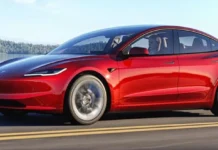
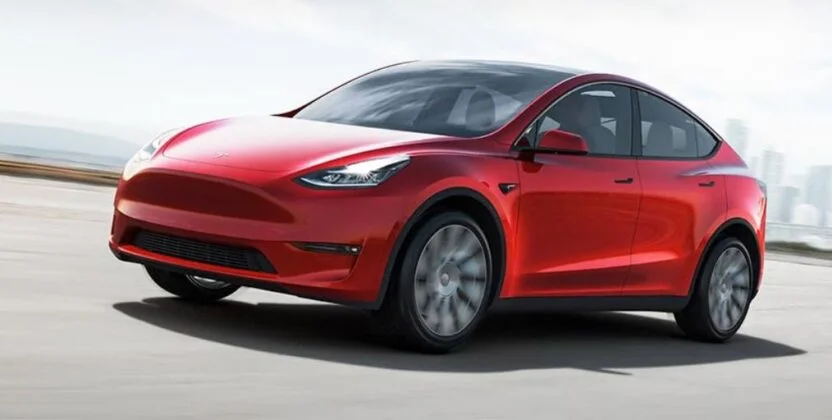
A Tesla Model Y costs roughly $1,500–$2,200 more per year to own in California than in Texas, once insurance, registration, and home charging are added up — even though the sticker price is almost identical in both states. The gap comes down to three things: California’s higher electricity rates, higher (though non-EV-specific) registration costs, and insurance pricing that varies by carrier and region. Texas offsets a chunk of that with a flat $200 annual EV registration fee that California doesn’t charge, plus electricity that runs about half the price.
Below is the full breakdown — purchase price, sales tax, registration, insurance, and a 5-year charging cost comparison — so you can see exactly where the numbers diverge and which state actually comes out cheaper to own one in.
Quick Summary: Model Y Ownership at a Glance
| Cost Category | California | Texas |
|---|---|---|
| Out-the-door price (base RWD, ~$45K MSRP) | ~$48,900–$51,400 | ~$47,000–$48,500 |
| Sales tax | 7.25% state + up to 3% local (avg. ~9.5% combined) | 6.25% state + up to 2% local (avg. ~8.2% combined) |
| Annual EV registration surcharge | $0 EV-specific fee, but $118 Road Improvement Fee + value-based VLF | $200 flat EV fee ($400 first year, covers 2 years) |
| Average full-coverage insurance | Higher-than-national-average in most CA metros | Near or slightly below national average in most TX metros |
| Home charging cost (~1,000 kWh/mo. equivalent driving) | ~30–33¢/kWh | ~16¢/kWh |
| Federal EV tax credit | Not available (ended Sept. 30, 2025) | Not available (ended Sept. 30, 2025) |
Figures are 2026 statewide averages. Your actual cost depends on ZIP code, driving record, insurer, and local utility rates.
Purchase Price and Sales Tax: Texas Wins the Upfront Number
The Model Y’s MSRP doesn’t change by state — Tesla sells direct, so the base rear-wheel-drive trim starts at $39,990 before destination and order fees, landing around $41,630 all-in nationally. Where the states diverge is tax and title.
California: Higher Sales Tax, Value-Based Registration
California’s base state sales tax is 7.25%, and most counties and cities stack local district taxes on top, pushing the effective rate to roughly 9–9.5% in many metro areas. On a ~$45,000–$49,000 Model Y, that’s approximately $4,000–$4,700 in sales tax alone. California also charges a Vehicle License Fee (VLF) of 0.65% of the car’s value annually — meaningful in year one on a car this expensive — plus a Transportation Improvement Fee that scales with vehicle value.
Texas: Lower Base Tax, Flat EV Surcharge
Texas charges a 6.25% state motor vehicle sales tax, with local taxes typically adding 1–2%, for an effective rate closer to 8%. That alone saves a Texas buyer roughly $700–$1,000 versus a California buyer on the same purchase price. Texas doesn’t have a VLF-style annual value tax, but it does levy a flat $200 annual EV registration fee (charged as $400 up front to cover the first two years), specifically to offset the gas tax EV owners don’t pay.
Net effect: Texas buyers typically save $1,500–$2,500 at the point of sale and titling compared to California buyers on an identical Model Y.
Insurance: Where It Gets Less Predictable
Insurance is the cost category with the widest spread, and it doesn’t split cleanly by state — it splits by insurer, ZIP code, driving record, and whether you qualify for Tesla’s own insurance program.
National Baseline
Full-coverage Model Y insurance averages roughly $3,800–$4,600 a year nationally as of 2026, driven up by the car’s expensive sensors, cameras, and OEM parts. That’s meaningfully above the roughly $3,000 national average for all vehicles.
California Nuance
California caps certain rating factors (insurers can’t use credit history to set rates, for example), which can help some drivers but doesn’t guarantee lower premiums — urban California ZIP codes (LA, Bay Area) tend to push rates up due to claims density and repair costs. Tesla’s own insurance program operates in California, but state regulators opened an enforcement action against Tesla Insurance entities in late 2025, so availability and terms there are worth double-checking before you buy a policy.
Texas Nuance
Texas is one of the states where Tesla Insurance offers a Full Self-Driving discount (up to 10% on eligible coverage), and the state’s deregulated insurance market means more carriers competing for the same driver. Texas metros generally see Model Y premiums closer to or slightly below the national average, though hail-prone regions (North Texas, parts of Central Texas) can push comprehensive coverage higher.
Bottom line on insurance: Don’t assume “Texas = cheaper insurance” as a blanket rule. Get quotes for your specific ZIP code in both states — the spread between two insurers in the same city can be larger than the average spread between states.
Charging Costs: The Biggest Recurring Gap
This is where the states diverge most consistently, because electricity pricing is structural, not just competitive.
California Charging Costs
California’s average residential electricity rate sits around 30–33¢/kWh in 2026 — nearly double the national average — driven by grid modernization spending and wildfire mitigation costs baked into utility rates. Charging a Model Y’s roughly 75–80 kWh battery from empty at home costs approximately $23–$26 per full charge, and a driver covering 1,000 miles a month can expect to pay somewhere in the $85–$100/month range in electricity for driving, before accounting for any EV-specific time-of-use discounts utilities like PG&E or SCE offer overnight.
Texas Charging Costs
Texas’s average residential rate is closer to 16¢/kWh, roughly half California’s. The same full charge costs around $12–$13, and monthly charging costs for a typical driver land closer to $45–$50/month. Texas’s deregulated ERCOT market also means Model Y owners can shop fixed-rate plans and, in some cases, find off-peak overnight rates well below the state average — stretching the savings further for anyone charging on a schedule.
5-Year Charging Cost Estimate (12,000 mi/year)
| California | Texas | |
|---|---|---|
| Est. annual charging cost | ~$1,020–$1,200 | ~$540–$600 |
| Est. 5-year charging cost | ~$5,100–$6,000 | ~$2,700–$3,000 |
| 5-year savings vs. gas equivalent* | Still meaningfully cheaper than gas | Still meaningfully cheaper than gas |
*Compared to a comparable gas SUV averaging 28 mpg at each state’s current gas price; EV still wins on fuel cost in both states — Texas just wins by a wider margin.
Federal and State Incentives: Mostly Gone, With One Exception
It’s worth being direct about this because it changes the math from what many buyers still expect: the federal $7,500 new-EV tax credit and $4,000 used-EV credit ended for vehicles acquired after September 30, 2025, under the One Big Beautiful Bill Act. Neither California nor Texas buyers can claim it on a 2026 purchase unless they fall under a narrow binding-contract exception from before that deadline.
- California does not currently offer a broad statewide EV purchase rebate to replace the federal credit (its Clean Vehicle Rebate Project has been wound down), though some regional and utility-level rebates still exist depending on air district and income.
- Texas has occasionally run a limited state rebate program with capped funding: check current availability before assuming it applies, since these programs pause when funds run out.
- Both states still offer the federal Section 30C home charger credit (30% up to $1,000) for equipment placed in service through June 30, 2026, and the new OBBBA auto loan interest deduction for U.S.-assembled vehicles, which the Model Y qualifies for.
Registration and DMV Fees: Small Line Items That Add Up
| Fee Type | California | Texas |
|---|---|---|
| Base registration | ~$74 | ~$51.75 |
| EV-specific annual fee | $118 Road Improvement Fee | $200 (billed as $400 for first 2 years) |
| Value-based fee | 0.65% VLF (declines yearly) | None |
| Estimated Year 1 total DMV cost | ~$450–$550 | ~$450 (includes 2-year EV fee) |
| Estimated Year 2–5 average | ~$250–$350/year | ~$250/year |
The two states land in a similar place on registration once you account for California’s value-based VLF and Texas’s flat EV surcharge — this category is close to a wash over 5 years.
Bottom Line
Over five years of ownership, a Texas-based Model Y owner will likely spend $2,000–$4,000 less than a California owner, almost entirely because of the gap in electricity prices and California’s higher combined sales tax — not because of some fundamental insurance advantage in either state. If you’re choosing where to buy or relocating, Texas is the cheaper state to run a Model Y day to day, but California’s advantages (HOV lane access in many corridors, a denser Supercharger network, resale demand) can still make sense depending on how you actually use the car.