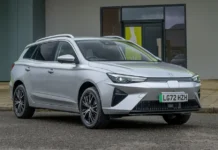
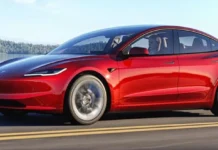
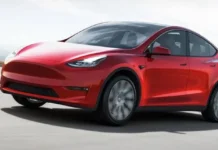
The cheapest EVs to insure in 2026 are simple, mainstream models with widely available parts, the Chevrolet Silverado EV, Nissan Leaf, Hyundai Kona Electric, Kia Niro EV, and Volkswagen ID.4 among them, with full-coverage premiums running roughly $1,900 to $2,100 a year in the U.S. market. That’s well below the broader EV average of around $3,281 a year. Luxury and performance models sit at the opposite end: some Audi e-tron variants and high-trim Teslas can cost two to five times more to insure than a compact EV with a similar sticker price.
Insurance is one of the least talked-about EV ownership costs, and it doesn’t track cleanly with the purchase price. Below is a full breakdown of which models save you money, why the gap is so wide, and how to shop smarter before you sign a policy.
Quick Summary
- Cheapest EVs to insure overall: Chevrolet Silverado EV, Nissan Leaf, Hyundai Kona Electric, Kia Niro EV, Volkswagen ID.4
- Most expensive EVs to insure: Audi SQ8 e-tron, Audi Q8 e-tron, Tesla Model X, Tesla Model S
- EV insurance averages roughly 25–63% more than gas-powered vehicles, depending on the data source and driver profile
- Insurer matters as much as the model: rates on the same EV can swing by hundreds of dollars a year between companies
- Battery repair cost, parts availability, and claims history drive the price gap more than horsepower or range
Why EV Insurance Costs Vary So Much
Car insurance pricing isn’t based on sticker price alone. Insurers weigh repair cost, parts availability, claims frequency, and theft or injury risk. EVs complicate that formula because battery packs, aluminum body panels, and advanced sensor arrays are expensive to replace and require specialized labor.
The Repair Cost Problem
A cracked battery pack or damaged sensor cluster can total what would otherwise be a moderate fender-bender on a gas car. <cite index=”5-1″>Industry reports show EVs can cost roughly a quarter more to insure than gas cars with similar drivers and coverage because of expensive battery packs, complex electronics and limited repair capacity in many markets.</cite> Fewer certified EV repair shops in many regions also means longer repair times, which raises the cost of claims like rental car coverage.
Why Simpler EVs Cost Less
Mainstream, high-volume EVs benefit from years of claims data, standardized parts, and a wider repair network. <cite index=”4-1″>As claims data has matured and more mainstream EVs have entered the road, insurers have started rating vehicles like the Nissan Leaf, Chevrolet Bolt, Hyundai Kona Electric, Kia Niro EV, and Chevrolet Equinox EV closer to regular compact crossovers.</cite> These models avoid the high-performance drivetrains, complex driver-assist hardware, and premium materials that push up repair bills on luxury EVs.
Why Luxury and Performance EVs Cost More
Tesla and Audi’s electric lineups consistently rank at the top of insurance cost tables. Higher MSRPs, complex driver-assist tech, and large touchscreens all raise the cost of a claim. The Audi SQ8 e-tron and Q8 e-tron top most 2026 cost rankings, with several other Audi e-tron trims not far behind. Exact premiums vary significantly by insurer, state, and driver profile — the figures below reflect a standardized rating profile and should be treated as a comparison baseline rather than a personal quote.
The Cheapest EVs to Insure in 2026
Chevrolet Silverado EV — The least expensive EV to insure in most 2026 datasets, helped by GM’s established parts network and lower base-trim pricing relative to its size class.
Nissan Leaf — A long production run means widely available parts and a deep claims history, which keeps rates predictable. It remains one of the most consistently affordable EVs to insure across multiple data providers.
Hyundai Kona Electric — A subcompact footprint and simple repair profile keep both parts and labor costs down.
Kia Niro EV — Shares a platform and many components with Hyundai’s Kona Electric, which helps keep repair costs, and therefore premiums, in check.
Volkswagen ID.4 — Frequently cited as the most affordable popular EV to insure, with full-coverage rates well under the EV average.
Chevrolet Bolt / Chevrolet Equinox EV — GM’s compact EV lineup consistently lands near the bottom of insurance cost rankings thanks to simple design and strong parts availability.
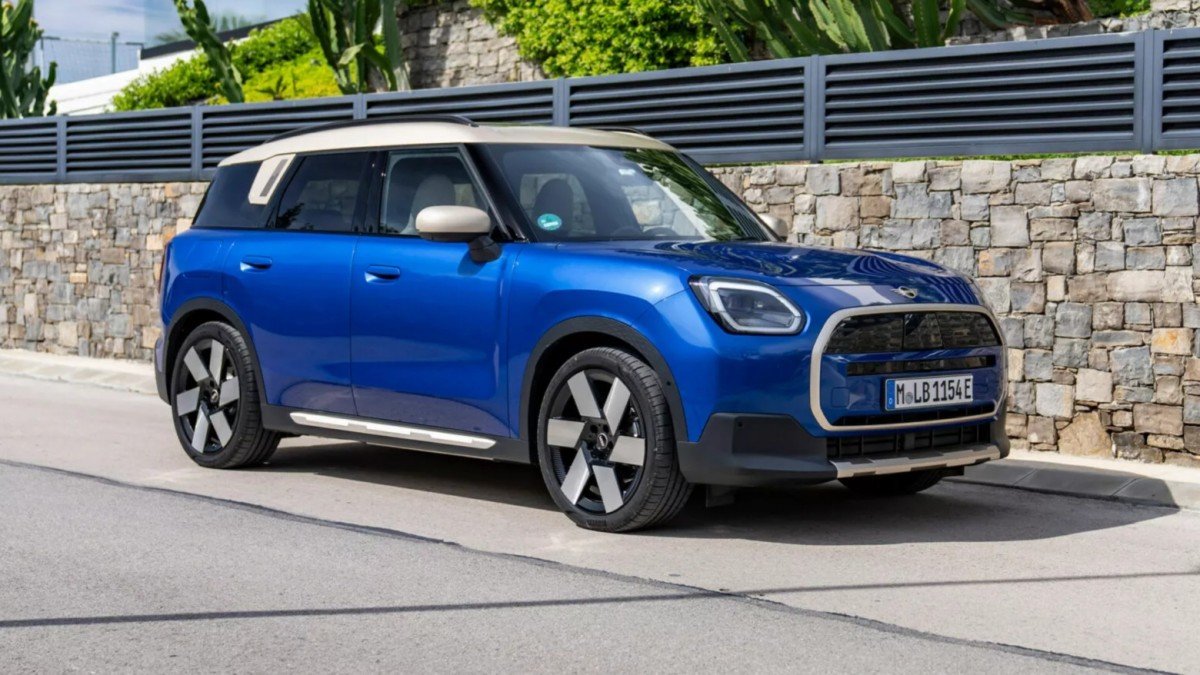
Mini Cooper Electric — Its compact size and comparatively simple electronics keep repair costs, and premiums, lower than most competitors.
The Most Expensive EVs to Insure in 2026
Luxury and high-performance EVs sit at the opposite end of the spectrum. Audi’s e-tron lineup consistently posts the highest premiums of any EV brand, driven by complex electronics and expensive parts. Tesla’s Model X and Model S also rank among the priciest to insure, reflecting higher repair costs and claims severity relative to Tesla’s own Model 3 and Model Y.
How Much Insurers Differ on the Same Vehicle
Choosing the right insurer can matter as much as choosing the right model. On identical EVs, quotes have been shown to vary by hundreds of dollars a year between providers, so comparing multiple insurers on the exact model and trim is worth the extra ten minutes it takes.
Comparison Table: Cheapest vs. Most Expensive EVs to Insure (2026)
| Model | Category | Approx. Annual Full Coverage (USD) | Why |
|---|---|---|---|
| Chevrolet Silverado EV | Cheapest | ~$1,947 | Established parts network, simple repair profile |
| Nissan Leaf | Cheapest | ~$2,000–$2,650 | Long production history, widely available parts |
| Volkswagen ID.4 | Cheapest (popular) | ~$2,066 | Standard components, strong claims history |
| Hyundai Kona Electric | Cheapest | Below EV average | Subcompact size, simple design |
| Kia Niro EV | Cheapest | Below EV average | Shared platform, low repair complexity |
| EV Market Average | Baseline | ~$3,281 | — |
| Tesla Model Y | Mid-range | ~$3,343 | Higher parts and labor cost than compact EVs |
| Tesla Model S | Expensive | ~$4,347 | Larger, higher-value repair claims |
| Tesla Model X | Expensive | ~$4,469 | Complex hardware, higher claims severity |
| Audi Q4 e-tron | Expensive | ~$6,285 | Premium parts, specialized labor |
| Audi SQ8 e-tron | Most Expensive | ~$10,402 | High-performance drivetrain, premium electronics |
Figures reflect averaged full-coverage rates from a standardized driver profile across multiple 2026 industry sources. Actual quotes vary by state, ZIP code, age, driving record, and insurer, and should be confirmed with a quote from your own provider before budgeting.
How to Lower Your EV Insurance Cost
- Compare quotes across at least three insurers — the gap on the same vehicle can run into the hundreds of dollars annually
- Choose a mainstream trim over a performance variant when the vehicle offers both, since higher-output motors and larger battery packs raise repair costs
- Ask about EV-specific discounts some insurers offer for low annual mileage or home charging setups
- Check state-level rate filings since EV-specific insurance pricing has shifted quickly as claims data matures
Bottom Line
The cheapest EVs to insure in 2026 are the unglamorous ones: the Chevrolet Silverado EV, Nissan Leaf, Kona Electric, Niro EV, and VW ID.4 all deliver EV ownership without the premium-brand insurance penalty. If your priority is minimizing total cost of ownership rather than performance or badge prestige, these mainstream models remain the safest bet, while Audi’s e-tron lineup and Tesla’s larger sedans and SUVs should be budgeted for noticeably higher annual insurance costs.