- Home
- Electric Vehicles
- Compare Electric Cars
- BYD Seal U vs Tesla Model Y
BYD Seal U vs Tesla Model Y
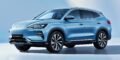
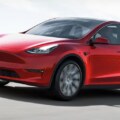
The BYD Seal U is a Chinese-built five-seat electric SUV with a 71.8kWh Blade Battery, ocean-inspired styling, and a feature-rich interior targeting value-conscious family buyers who want premium tech without a premium price tag. The Tesla Model Y is an American-engineered electric midsize SUV built for buyers who want seamless software integration, a proven charging network, and strong long-term resale value. With BYD aggressively expanding across South Africa and East Africa in 2025 while Tesla’s refreshed Juniper Model Y rolls out globally, this comparison is directly relevant for African EV buyers making a purchase decision right now.
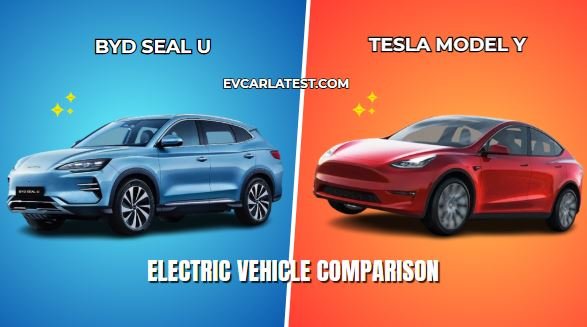
On range, the Tesla Model Y Long Range holds the lead. The 2025 Model Y provides between 466km and 551km of claimed WLTP range, depending on the variant — the RWD uses a 62.5kWh LFP battery while the Long Range AWD runs a 78.4kWh NMC pack. Real-world range for the Long Range AWD typically lands around 480–510km in mixed conditions. The BYD Seal U’s 71.8kWh battery delivers approximately 420–460km WLTP, with real-world estimates around 370–410km. On DC fast charging, the Model Y Long Range AWD supports up to 250kW, while the RWD handles up to 170kW — both via Tesla’s Supercharger network, hitting 10–80% in roughly 20–30 minutes. The Seal U supports up to 110kW DC and 11kW AC, using a heat pump as standard — its 10–80% DC charge takes approximately 40–45 minutes, noticeably slower than the Model Y on fast chargers.
On price, the BYD Seal U offers a lower entry point in most African markets. The Seal U starts at approximately $38,000–$42,000 USD in markets where it’s officially sold, translating to roughly ZAR 680,000–750,000 in South Africa. The Tesla Model Y starts at $41,630 USD for the base RWD, with the Premium AWD at $46,630 — and after South African import duties, Model Y pricing in South Africa ranges from approximately ZAR 720,000 to ZAR 910,000 depending on trim. Neither vehicle has official dealership distribution in Nigeria yet; grey-market imports would push costs significantly higher. Key variants to know: Seal U comes in Comfort and Design trims; Model Y comes in Standard RWD, Premium, and Performance. This page answers a direct question: if budget and feature value per naira or rand is the priority, the Seal U wins; if charging network access and software ecosystem matter more, the Model Y is the stronger long-term buy.
Within BYD’s lineup, the BYD Atto 3 is the more compact and affordable SUV option, while the BYD Tang suits larger families needing seven seats. On Tesla’s side, the Model 3 offers similar tech in a sedan body at a lower price, while the larger Model X suits buyers who need more cargo space. Outside both brands, the Hyundai Ioniq 5 and Kia EV6 are worth serious consideration — both offer faster charging than the Seal U and better driving dynamics than either competitor. Still, the Seal U vs Model Y comparison remains the most relevant head-to-head because these two EVs target the same mainstream family SUV buyer at the most accessible price points from their respective brands.
BYD Seal U — Pros: The lower starting price makes it the more realistic import option for buyers in Nigeria, Ghana, or Kenya where import duties magnify every dollar of base cost. The Seal U includes Vehicle-to-Load (V2L) technology as standard, which is genuinely useful in markets where grid power is unreliable — you can power home appliances directly from the car. The Seal U achieved the maximum five stars in Euro NCAP safety testing, with 90% for adult occupant protection, giving buyers in markets with limited safety regulation assurance about structural integrity. Cons: The 110kW DC charging cap means stops at fast chargers take longer than the Model Y — a real penalty on routes where charger access is already scarce. BYD ranked second-to-last in the 2025 Driver Power owner satisfaction survey, signalling that long-term reliability confidence hasn’t yet matched the value-for-money proposition.
Tesla Model Y — Pros: Tesla’s Supercharger network in South Africa and growing East African presence means the Model Y has functional charging infrastructure backing it right now, not just theoretical compatibility. The 2025 Juniper refresh brought a significantly improved interior with a larger 15.4-inch central touchscreen, ventilated front seats, and softer cabin materials, addressing the most common criticisms of the older Model Y. The Long Range AWD’s 551km WLTP range makes it one of the best-equipped family EVs for long inter-city travel in Southern Africa. Cons: South African pricing pushes into ZAR 720,000–910,000 territory, a steep ask compared to local petrol equivalents and the Seal U. Tesla’s lack of Apple CarPlay or Android Auto means buyers are locked into Tesla’s own software ecosystem — a limitation that matters when third-party apps are not supported.
QUICK VERDICT
Choose the BYD Seal U if upfront price, V2L capability, and standard-spec generosity are your priorities — it delivers more features per dollar and is the more accessible import in price-sensitive African markets. Choose the Tesla Model Y if charging infrastructure, longer range, and software ecosystem reliability matter more to you; the Supercharger network gives it a practical edge in South Africa today. The trade-off is straightforward: the Seal U saves money at purchase, the Model Y saves hassle on long journeys.
FAQ
Is the BYD Seal U better than the Tesla Model Y for long trips?
For long-distance travel, the Tesla Model Y Long Range AWD holds the advantage with up to 551km WLTP range and Supercharger access capable of 10–80% in under 30 minutes. The BYD Seal U’s 460km WLTP range and slower 110kW DC charging make it less ideal on routes where charger stops are already limited.
Which is cheaper to maintain, the BYD Seal U or Tesla Model Y?
Both EVs are fully electric with minimal mechanical servicing needs. Tesla’s longer African presence means parts and certified technicians are easier to source, especially in South Africa. BYD’s service network on the continent is still developing, which could mean longer turnaround times for repairs outside major cities.
Is the BYD Seal U available in Nigeria or Africa?
The Seal U is officially available in South Africa and select East African markets as of 2025, but has no authorized dealership network in Nigeria. Buyers in Lagos or Abuja would need grey-market imports, which can add 30–50% to the base cost when duties and freight are included.
Which has better resale value — the BYD Seal U or Tesla Model Y?
The Model Y currently holds stronger resale value in African markets due to brand recognition and an established used-car ecosystem. The Seal U’s resale position should improve as BYD expands its dealer presence, but for buyers planning to resell within three to five years, Tesla holds the safer bet in 2025.
Related EV Comparisons
| |
| Price | $42,000.00 $45,000.00 |
| Our Rating | |
| Brand | BYD TESLA |
| Category | Electric Cars Electric Cars |
MODEL
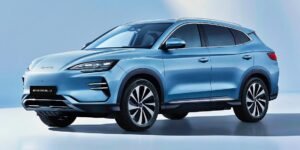
| Full Model Name | BYD Seal U EV |
| Segment / Class | Midsize/Compact SUV (C-SUV) |
| Available Trims / Variants |
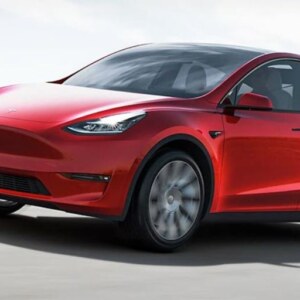
BYD Seal U Comfort BYD Seal U Design Tesla Model Y Standard Range+ RWD 60kWh Tesla Model Y Long Range AWD 82kWh Tesla Model Y Long Range RWD Tesla Model Y Long Range RWD USA Tesla Model Y Performance |
| Powertrain Options | Single front motor, RWD/FWD BEV (no AWD variant for the EV) |
PRICE & AVAILABILITY
| Base Price (USD) |
€ 42,000 -BYD Seal U Comfort € 47,000 - BYD Seal U Design € 45,000 £ 45,000 - Tesla Model Y Standard Range+ RWD 60kWh $ 48,000 € 52,500 £ 53,000 - Tesla Model Y Long Range AWD 82kWh € 49,000 - Tesla Model Y Long Range RWD $ 45,000 - Tesla Model Y Long Range RWD USA $ 51,500 € 58,500 £ 60,000 - Tesla Model Y Performance |
| Availability Status |
On sale in select markets (Italy, Southeast Asia); not sold in UK (PHEV only there) Available. Released 2022, August - Tesla Model Y Standard Range+ RWD 60kWh Available to order. Released 2021 - Tesla Model Y Long Range AWD 82kWh Available to order. Released 2024, April - Tesla Model Y Long Range RWD Available to order. Released 2024, May - Tesla Model Y Long Range RWD USA Available to order. Released 2020 - Tesla Model Y Performance |
| Markets Available | Europe (select countries), Southeast Asia, China |
| Brand / Manufacturer | BYD Auto |
BATTERY & CHARGING
| Battery Capacity |
71.8 kWh total - BYD Seal U Comfort 87 kWh total - BYD Seal U Design 60 kWh total - Tesla Model Y Standard Range+ RWD 60kWh 75 kWh usable, 82 kWh total - Tesla Model Y Long Range AWD 82kWh 78.1 kWh total - Tesla Model Y Long Range RWD 76 kWh usable, 82 kWh total - Tesla Model Y Performance |
| Range (WLTP/CLTC/EPA) |
(WLTP): 420 km (Comfort) / 500 km (Design)
260 mi EPA (283 mi WLTP) - Tesla Model Y Standard Range+ RWD 60kWh 351 mi WLTP (310 mi EPA) - Tesla Model Y Long Range AWD 82kWh 373 mi WLTP - Tesla Model Y Long Range RWD 320 mi EPA - Tesla Model Y Long Range RWD USA 319 mi WLTP (279 mi EPA) - Tesla Model Y Performance |
| DC Charging (Max kW) |
CCS 115 kW, 30-80% in 27 min, 10-80% in 42 min -BYD Seal U Comfort CCS 140 kW, 30-80% in 28 min, 10-80% in 43 min - BYD Seal U Design Supercharger V3 250 kW max, 10-80% in 30 min CCS 250 kW max, 10-80% in 30 min |
| Charging Time (10–80%) | ~28 minutes (DC fast charge) |
| AC Charging (Max kW) |
Type 2 11 kW, 0-100% in 7.5 hours - BYD Seal U Comfort Type 2 11 kW, 0-100% in 9.3 hours - BYD Seal U Design Type 2 7.7 kW - Tesla Model Y Standard Range+ RWD 60kWh Type 2 11 kW, 0-100% in 7 hours 31 min - Tesla Model Y Long Range AWD 82kWh Type 2 11 kW -Tesla Model Y Long Range RWD Type 2 11 kW - Tesla Model Y Long Range RWD USA Type 2 11 kW, 0-100% in 7 hours 31 min - Tesla Model Y Performance |
| Battery Warranty | Not officially confirmed for this market variant |
| Energy Consumption |
Not officially confirmed
253 Wh/mi WLTP - Tesla Model Y Standard Range+ RWD 60kWh 272 Wh/mi WLTP (280 Wh/mi EPA) - Tesla Model Y Long Range AWD 82kWh 249 Wh/mi WLTP - Tesla Model Y Long Range RWD 249 Wh/mi WLTP - Tesla Model Y Long Range RWD USA 275 Wh/mi WLTP (280 Wh/mi EPA) - Tesla Model Y Performance |
PERFORMANCE
| Power Output (kW / hp) |
FWD 218 hp (160 kW) RWD 347 hp (255 kW) - Tesla Model Y Standard Range+ RWD 60kWh AWD 514 hp (378 kW) - Tesla Model Y Long Range AWD 82kWh RWD 347 hp (255 kW) - Tesla Model Y Long Range RWD RWD - Tesla Model Y Long Range RWD USA AWD 534 hp (393 kW) - Tesla Model Y Performance |
| 0–100 km/h / 0-60 mph (seconds) The acceleration numbers are an easy way to compare car performance. We list either time from 0 to 100 km/h or time from 0 to 60mph, depending on which number(s) the manufacturers provide. The lower the acceleration time, the higher performance the car is. |
9.3 sec 0-62 mph - BYD Seal U Comfort 9.6 sec 0-62 mph - BYD Seal U Design 6.6 sec 0-60 mph (6.9 sec 0-62 mph) - Tesla Model Y Standard Range+ RWD 60kWh 4.8 sec 0-60 mph (5 sec 0-62 mph) - Tesla Model Y Long Range AWD 82kWh 5.9 sec 0-62 mph - Tesla Model Y Long Range RWD 6.5 sec 0-60 mph - Tesla Model Y Long Range RWD USA 3.5 sec 0-60 mph (3.7 sec 0-62 mph) - Tesla Model Y Performance |
| Motor Configuration | Single motor, front-mounted, PMSM |
| Torque (Nm) |
310 Nm (229 lb-ft) - BYD Seal U Comfort 330 Nm (243 lb-ft) - BYD Seal U Design RWD 347 hp (255 kW) - Tesla Model Y Long Range RWD |
| Top Speed (km/h / mph) |
109 mph (175 km/h) 135 mph (217 km/h) - Tesla Model Y Standard Range+ RWD 60kWh 135 mph (217 km/h) - Tesla Model Y Long Range AWD 82kWh 135 mph (217 km/h) - Tesla Model Y Long Range RWD 135 mph (217 km/h) - Tesla Model Y Long Range RWD USA 155 mph (250 km/h) - Tesla Model Y Performance |
BODY & DIMENSIONS
| Dimensions (L×W×H mm) | 4785 x 1890 x 1668 mm (188.4 x 74.4 x 65.7 in) 4750 x 1920 x 1624 mm (187.0 x 75.6 x 63.9 in) |
| Trunk/Boot Capacity (L) |
EU: 552 l, 1440 l max EU: 854 l, 2041 l max |
| Body Style | 5 door SUV, 5 seats 5 door, SUV, 5/7 seats |
| Kerb Weight (kg) |
EU: 2020 kg unladen, 2430 kg gross - BYD Seal U Comfort EU: 2147 kg unladen, 2557 kg gross - BYD Seal U Design EU: 1909 kg unladen - Tesla Model Y Standard Range+ RWD 60kWh EU: 2056 kg unladen - Tesla Model Y Long Range AWD 82kWh EU: 1959 kg unladen - Tesla Model Y Long Range RWD EU: 2072 kg unladen, 2591 kg gross - Tesla Model Y Performance |
| Ground Clearance (mm) | Not officially confirmed 167 mm (6.6 in) |
| Frunk/Bonnet Capacity (L) | Not applicable/not confirmed 117 l |
| Sunroof | Panoramic sunroof (standard) |
SAFETY & DRIVER ASSISTANCE
| ADAS Features | Adaptive cruise control, lane-keeping assist, rear cross-traffic alert, 360° camera |
| Autonomous Driving Level | Level 2 Autopilot with full Self-Driving capability |
| Crash Test Ratings |
NCAP 2023: 5 stars NCAP 2022: 5 stars, NHTSA 2020-2022: 5 stars |
| Over-the-Air (OTA) Safety Updates | Yes |
COMFORT & SEATING
| Seating Capacity | 5 Heated front seats, heated rear seats, heated third row seats |
| Seat Material | Vegan (synthetic) leather |
| Wireless Charging | Yes, dual pad |
DISPLAYS & CONNECTIVITY
| Centre Screen (inches) |
15.6-inch rotating touchscreen 15" touchscreeen |
| Mirror Link / Apple CarPlay / Android Auto | Both supported |
| Driver's Display (inches) | 12.3-inch digital cluster No |
| Head-Up Display (HUD) | Yes No |
TECHNOLOGY
| Vehicle-to-Load (V2L) | Yes |
| Vehicle-to-Grid (V2G) | Not confirmed |
| Over-the-Air Map Updates | Yes (via DiLink system) |
ADDITIONAL SPECS
| Headlight Type (LED/Matrix/Laser) | Full LED with adaptive high-beam |
| Adaptive Headlights | Not Confirmed |
| Sound System Brand | Infinity, 10 speakers |
| Speaker Count | Built-in (no automatic charging-stop route planning) |
| Navigation System | Not officially confirmed |
| Face Recognition | Not officially confirmed |
| Fingerprint Sensor | Not officially confirmed |
| Remote Parking | Not officially confirmed |
| Official Dealer Network | Not officially confirmed |
| Service Interval | Not officially confirmed |
| Roadside Assistance | Not officially confirmed |
Note
| Data Source | BYD press materials, EV Database, Motor1, Carwow, paultan.org |
| Last Updated | September 2026 |
| Additional Notes | Some tech specs (screen, HUD, sound system) are shared across Seal U trims including the PHEV, so may carry over 1:1 to the EV. |
| Editor's Note | Specs vary by market |
|
Disclaimer Note
Specifications sourced from manufacturer data and may reflect WLTP, CLTC, or EPA test conditions. Import prices in your local are estimates based on grey-market landing costs and exclude duties, clearing fees, and local taxes. Figures are subject to change without notice. Always verify with your local importer before purchase. We can not guarantee that the information on this page is 100% correct