- Home
- Electric Vehicles
- VOLKSWAGEN
- Volkswagen ID.Polo
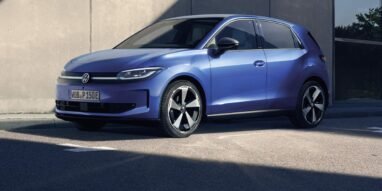
Volkswagen ID.Polo
- Drive Type: FWD
- Body Type: 5-door hatchback
- Self Driving:
- Airbags: Yes
PROS
- DC fast charging is standard on all trim levels, including the entry variant — a meaningful advantage at this price point where rivals often restrict fast charging to higher grades.
- The 52 kWh NMC variant's 280-mile WLTP range places it among the longest-range electric cars in the small EV class,
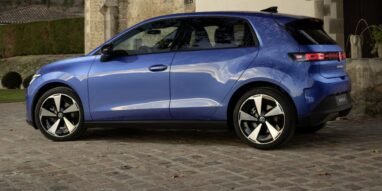
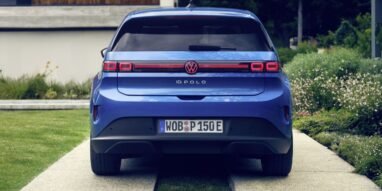
- The flat battery pack design delivers 25% more luggage space than the combustion Polo, with 441 litres standard and 1,240 litres with seats folded
CONS
- At launch, only the high-spec 52 kWh NMC variant will be available at over €30,000; the entry-level €25,000 version with the 37 kWh LFP battery is delayed until late 2026 or early 2027 due to LFP cell supply constraints
- The ID.Polo is a Europe-first launch with no confirmed timeline for right-hand-drive markets beyond the UK, and African market availability
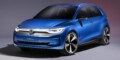
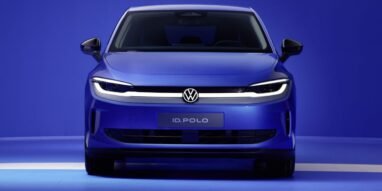
The Volkswagen ID.Polo is a five-door, front-wheel-drive electric supermini produced by Volkswagen AG and positioned as the brand’s entry-level EV. It is the first model in Volkswagen’s electric ID. family to carry the established Polo name, and it is also the first model to feature the brand’s new “Pure Positive” design language. Built on the MEB+ platform, it is a purpose-built electric vehicle — not an adaptation of the outgoing combustion-engined Polo — and it represents Volkswagen’s most direct entry point into the sub-€25,000 European EV segment.
Powertrain & Charging
The ID.Polo is offered with two battery options. The base 37 kWh (usable) LFP pack covers up to 329 km (204 miles) on the WLTP cycle, while the larger 52 kWh (usable) NMC pack achieves up to 454 km (282 miles) WLTP. AC charging is rated at 11 kW on both variants. For DC: the 37 kWh LFP charges at up to 90 kW, completing a 10–80% session in approximately 27 minutes, while the 52 kWh NMC pack accepts up to 105 kW and reaches 10–80% in around 23–24 minutes. Note: some pre-launch sources cited 130 kW peak DC for the 52 kWh variant — this figure is unconfirmed from official VW documentation and should be treated as provisional until Volkswagen publishes final charging curves. V2L (vehicle-to-load) output of up to 3.6 kW is standard across all variants.
Pricing, Fit & Context
The ID.Polo starts at €24,995 in Germany, with higher-spec 52 kWh variants expected above €30,000 at launch. UK pricing is anticipated from approximately £21,700. No confirmed pricing exists yet for African markets; grey-market import costs into Nigeria (NGN), Kenya (KES), or South Africa (ZAR) are not yet estimable given the model’s recency. The ID.Polo realistically suits urban and peri-urban commuters, first-time EV buyers, and small-family drivers who prioritize running costs and a recognizable brand over segment-leading range. Within Volkswagen’s lineup, it sits below the ID.3 (larger platform, longer range) and above any future sub-Polo entry — currently the most affordable model in the brand’s EV range. External rivals at a similar price and segment include the Renault 5 E-Tech, Kia EV3, Hyundai Inster, and BYD Dolphin Surf. The closest direct comparison model on spec and price is the Renault 5 E-Tech — both are sub-€25,000 FWD superminis with similar WLTP range brackets, competing for the same first-EV buyer.
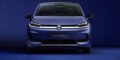
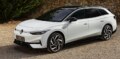
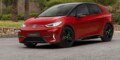
Volkswagen ID.Polo Pictures
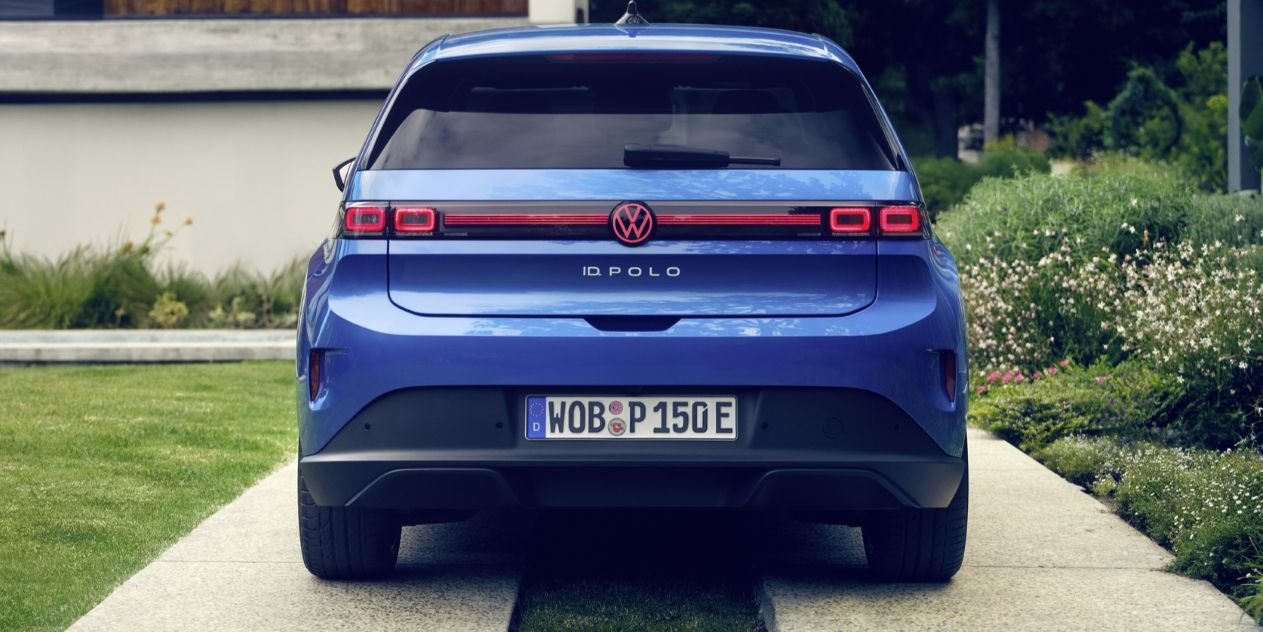
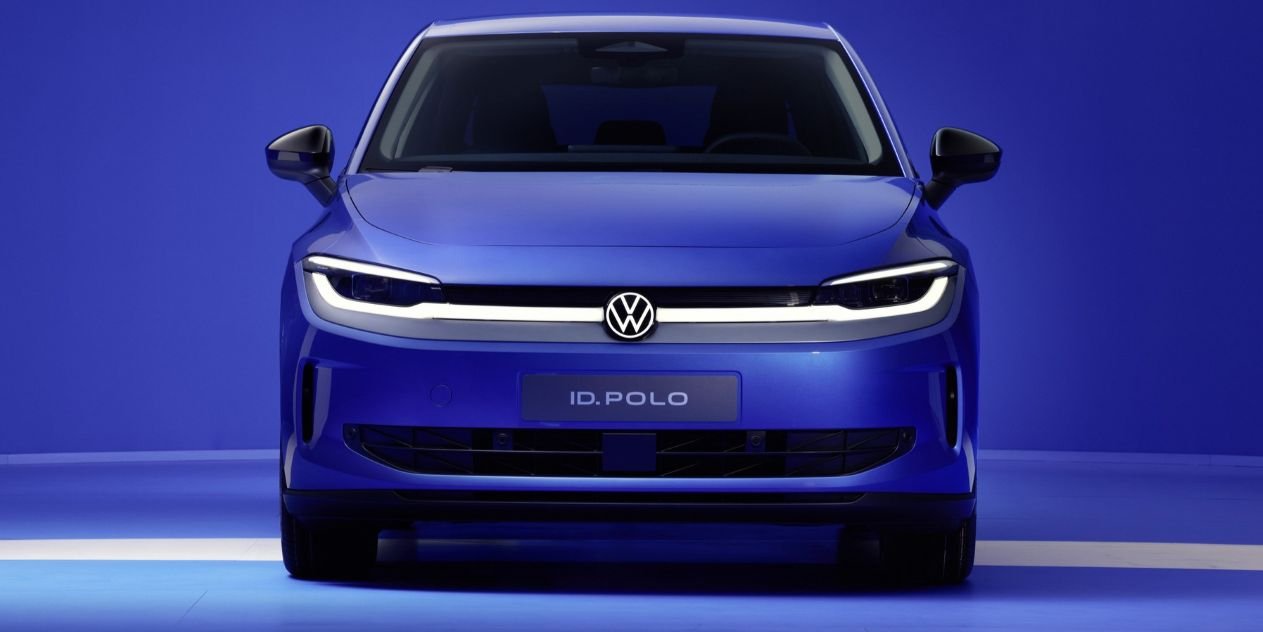
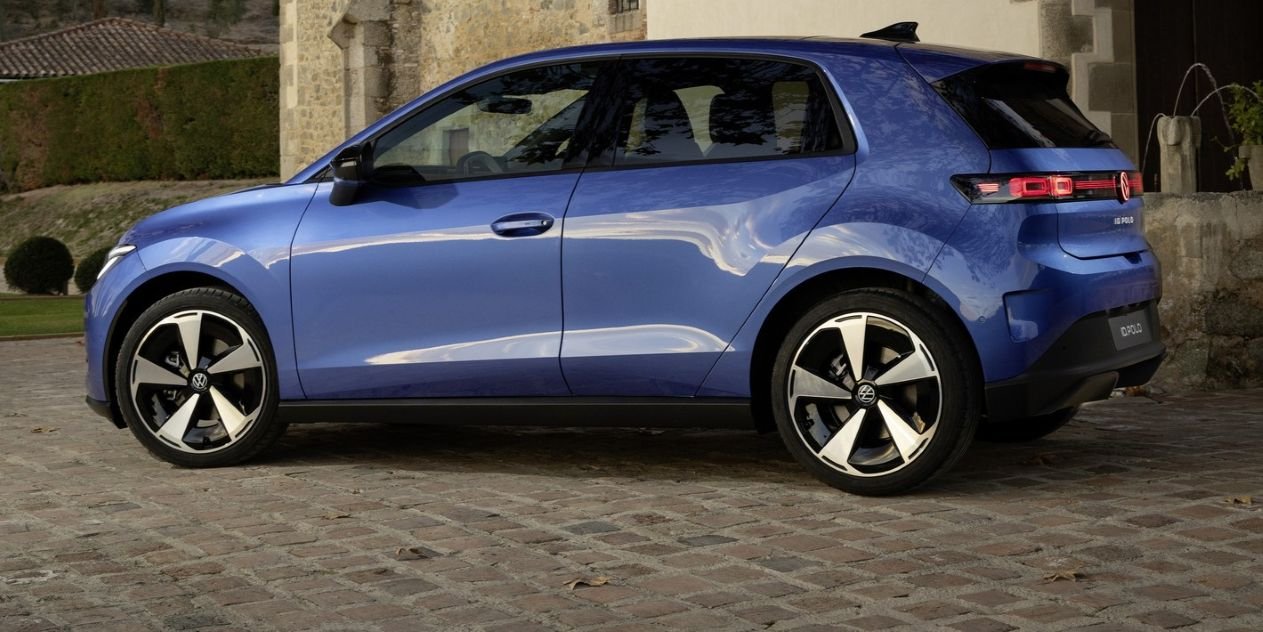
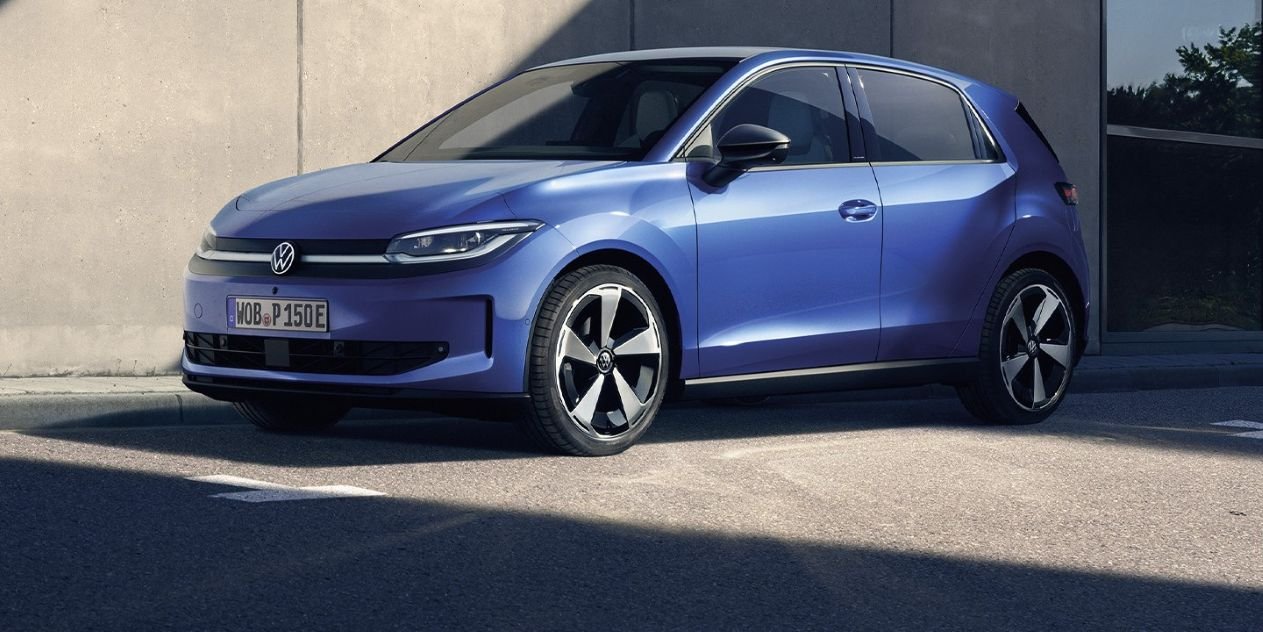
Full Electric Vehicle Specifications
MODEL
| Full Model Name | Volkswagen ID.Polo |
| Segment / Class | Supermini / B-Segment |
| Available Trims / Variants | Trend, Life, Style |
| Powertrain Options | 85 kW (LFP) · 99 kW (LFP) · 155 kW (NMC) |
PRICE & AVAILABILITY
| Base Price (USD) | ~$27,600 USD (based on €24,995 launch price at approximate conversion) |
| Availability Status | On sale in Germany from April 29, 2026 — 52 kWh NMC variant first; 37 kWh LFP variant delayed to late 2026 or early 2027 due to LFP cell supply constraints |
| Markets Available | Europe (confirmed); UK (confirmed, later 2026); no confirmed timeline for US, African, or Asian markets |
| Brand / Manufacturer | Volkswagen AG |
BATTERY & CHARGING
| Battery Capacity |
37 kWh (usable, net) 52 kWh (usable, net) |
| Range (WLTP/CLTC/EPA) |
Up to 329 km / 204 miles WLTP - 37 kWh Variant Up to 454 km / 282 miles WLTP - 52 kWh Variant |
| DC Charging (Max kW) |
90 kW - 37 kWh Variant 105 kW - 52 kWh Variant |
| Charging Time (10–80%) |
~27 minutes - 37 kWh Variant ~23–24 minutes - 52 kWh Variant |
| AC Charging (Max kW) | 11 kW |
| Energy Consumption | 14.6–13.3 kWh/100 km - 52 kWh Variant |
PERFORMANCE
| Power Output (kW / hp) |
85 kW / 114 hp 99 kW / 133 hp 155 kW / 208 hp |
| 0–100 km/h / 0-60 mph (seconds) The acceleration numbers are an easy way to compare car performance. We list either time from 0 to 100 km/h or time from 0 to 60mph, depending on which number(s) the manufacturers provide. The lower the acceleration time, the higher performance the car is. |
11.0 seconds - 85 kW 9.8 seconds - 99 kW |
| Motor Configuration | Front-mounted, single motor |
| Torque (Nm) |
290 Nm - 85 kW 290 Nm - 99 kW |
| Top Speed (km/h / mph) |
160 km/h / 99 mph - 85 kW 160 km/h / 99 mph - 99 kW |
BODY & DIMENSIONS
| Dimensions (L×W×H mm) | 4,053 mm × 1,816 mm × 1,530 mm |
| Trunk/Boot Capacity (L) | 441 L (seats up) · 1,240 L (seats folded) |
| Body Style | 5-door hatchback |
| Kerb Weight (kg) | 1,568 kg (37 kWh) · 1,576 kg (52 kWh) |
| Frunk/Bonnet Capacity (L) | None — climate compressor occupies the front |
| Sunroof | Panoramic glass roof — optional |
SAFETY & DRIVER ASSISTANCE
| ADAS Features | Emergency braking, adaptive cruise control, lane assist, side assist — standard or optional depending on trim |
| Over-the-Air (OTA) Safety Updates | Yes — MEB platform supports OTA |
COMFORT & SEATING
| Seating Capacity | 5 |
| Seat Material | Varies by trim |
| Wireless Charging | Yes |
DISPLAYS & CONNECTIVITY
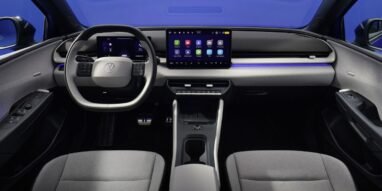
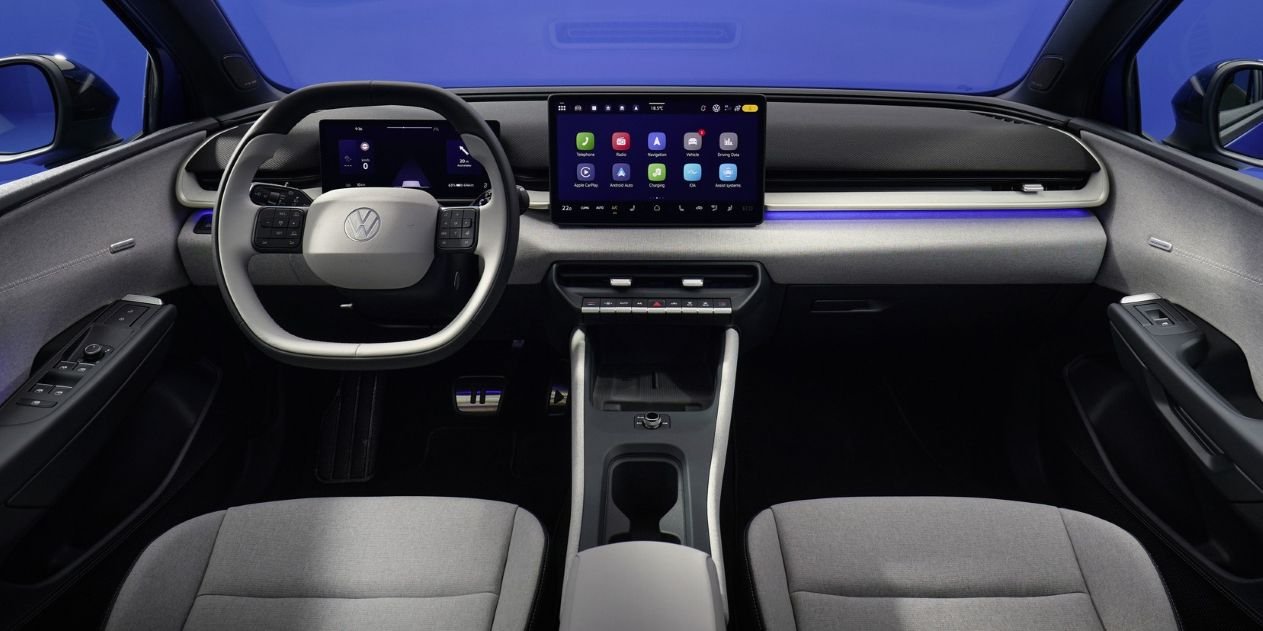
| Centre Screen (inches) | 13-inch touchscreen (tablet-style layout, not dashboard-integrated) |
| Mirror Link / Apple CarPlay / Android Auto | Yes — standard (wireless assumed) |
| Driver's Display (inches) | 10-inch digital instrument cluster |
TECHNOLOGY
| Vehicle-to-Load (V2L) | Yes — 3.6 kW, standard across all variants |
| Over-the-Air Map Updates | Yes — standard OTA update capability |
ADDITIONAL SPECS
| Headlight Type (LED/Matrix/Laser) | LED standard; IQ.LIGHT LED matrix headlights on Style trim |
| Adaptive Headlights | Yes — on Style trim with IQ.LIGHT matrix |
Note
| Data Source | Volkswagen Newsroom (official); InsideEVs; Motor1; Drive Electric; Electrifying.com; go-electra.com; EVSpecifications.com |
| Last Updated | May 2026 |
| Additional Notes | Several specs remain provisional — full official specification sheets not published for all trim levels at time of writing |
User Reviews
Disclaimer Note
Specifications sourced from manufacturer data and may reflect WLTP, CLTC, or EPA test conditions. Import prices in your local are estimates based on grey-market landing costs and exclude duties, clearing fees, and local taxes. Figures are subject to change without notice. Always verify with your local importer before purchase. We can not guarantee that the information on this page is 100% correct