Our Rating
The overall rating is based on review by our experts
PERFORMANCE
5 / 10
BATTERY
7 / 10
BODY
3 / 10
DISPLAYS
5 / 10
COMFORT
6 / 10
SAFETY
7 / 10
PROS
- Largest cargo space in the compact electric SUV class
- 291-mile EPA range (RWD) on a single 82-kWh battery, no longer split across two pack sizes
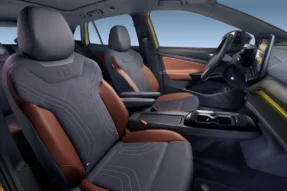
- Larger 12.9-inch touchscreen and NACS port access to Tesla Superchargers standard across the 2026 lineup
CONS
- DC fast-charging speed trails key rivals like the Hyundai Ioniq 5, adding roughly 10 minutes to a 10–80% charge
- Starting price sits above several similarly specced rivals now that the cheaper entry battery option is gone
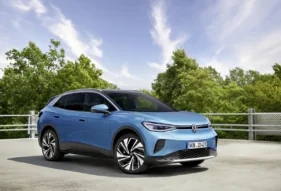
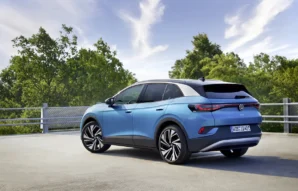
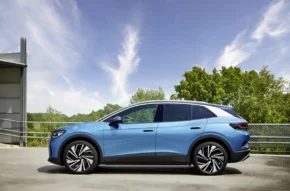
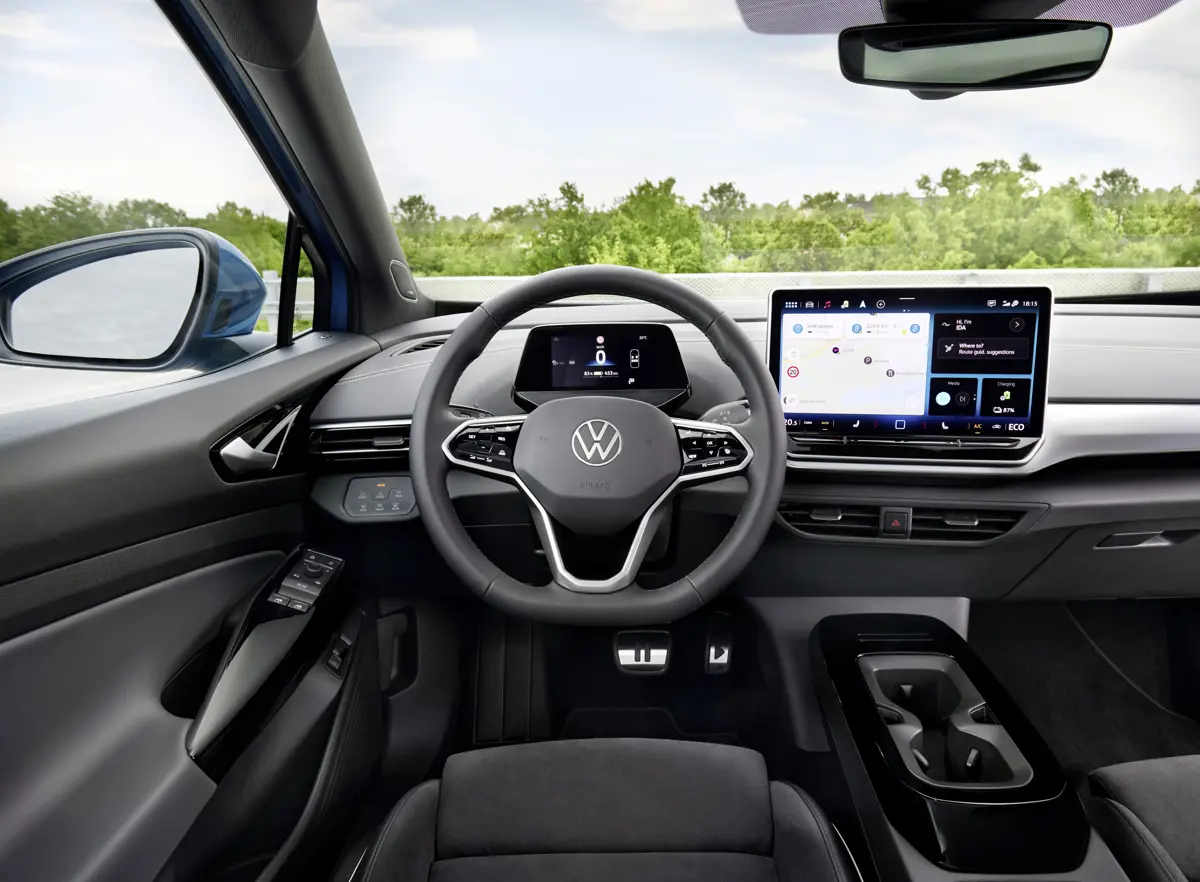
The Volkswagen ID.4 2026 is Volkswagen’s mid-position electric SUV, sitting in the compact electric SUV segment between the smaller ID.3 hatchback and the larger ID.7 sedan and ID. Buzz within VW’s EV lineup. It’s offered in rear-wheel-drive (RWD) and all-wheel-drive (AWD) configurations, both built on VW’s MEB electric platform. The most notable change for 2026 is a simplification: Volkswagen has discontinued the smaller 62-kWh entry battery, leaving the larger 82-kWh pack as the sole option across the range, paired with a new 12.9-inch infotainment touchscreen that replaces last year’s smaller unit.
Powertrain & Charging
The 2026 ID.4 runs exclusively on an 82-kWh battery. RWD models are EPA-rated at 291 miles of range, while AWD models drop to 263 miles due to the added front motor draw. RWD versions produce 282 horsepower; AWD trims step up to 335 horsepower. On the charging side, the ID.4 supports DC fast charging at up to 175 kW peak, with a 10–80% charge benchmark of roughly 28–30 minutes at a compatible fast charger. For 2026, the port has also switched to the North American Charging Standard (NACS), giving direct access to Tesla’s Supercharger network, with a CCS adapter available for backward compatibility. AC onboard charging figures for 2026 specifically weren’t confirmed in current listings, so treat that number as pending until VW publishes final documentation.
Pricing, Fit & Context
Launch-market (US) pricing starts at $45,095 for the base Pro trim before destination fees, rising to around $46,570 with destination included. AWD adds roughly $3,900 across most trims, and the range tops out near $56,600 for a fully loaded AWD Pro S Plus. The ID.4 realistically suits daily commuters and small families who want SUV cargo space and a straightforward ownership experience over outright performance or novelty.
Within Volkswagen’s own EV lineup, the ID.4 sits between the smaller ID.3 and the larger ID.7 liftback, giving it the brand’s practical middle-ground SUV slot. Externally, it competes most directly with the Hyundai Ioniq 5, Kia EV6, Chevrolet Equinox EV, Honda Prologue, and Tesla Model Y. For a direct SEO comparison angle, the Hyundai Ioniq 5 is the closest match on price and segment, and it charges noticeably faster — around 20 minutes for a 10–80% top-up versus the ID.4’s 30 minutes.
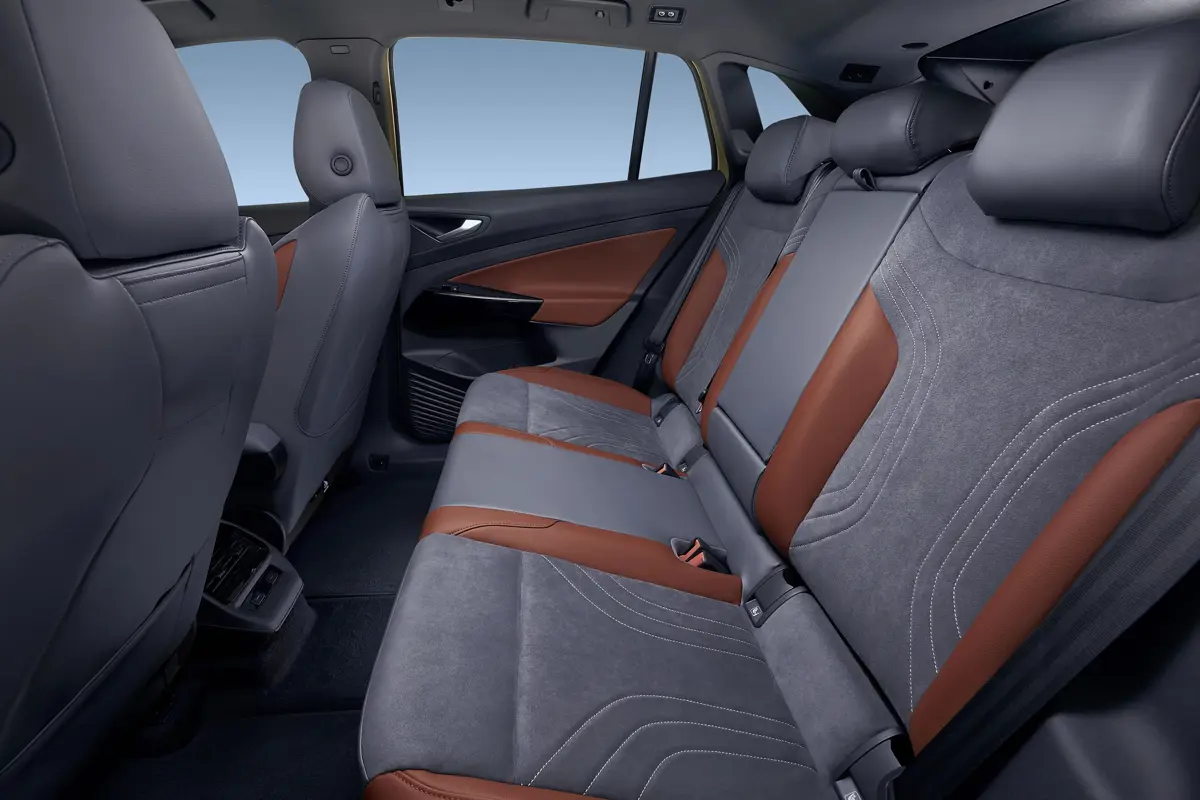
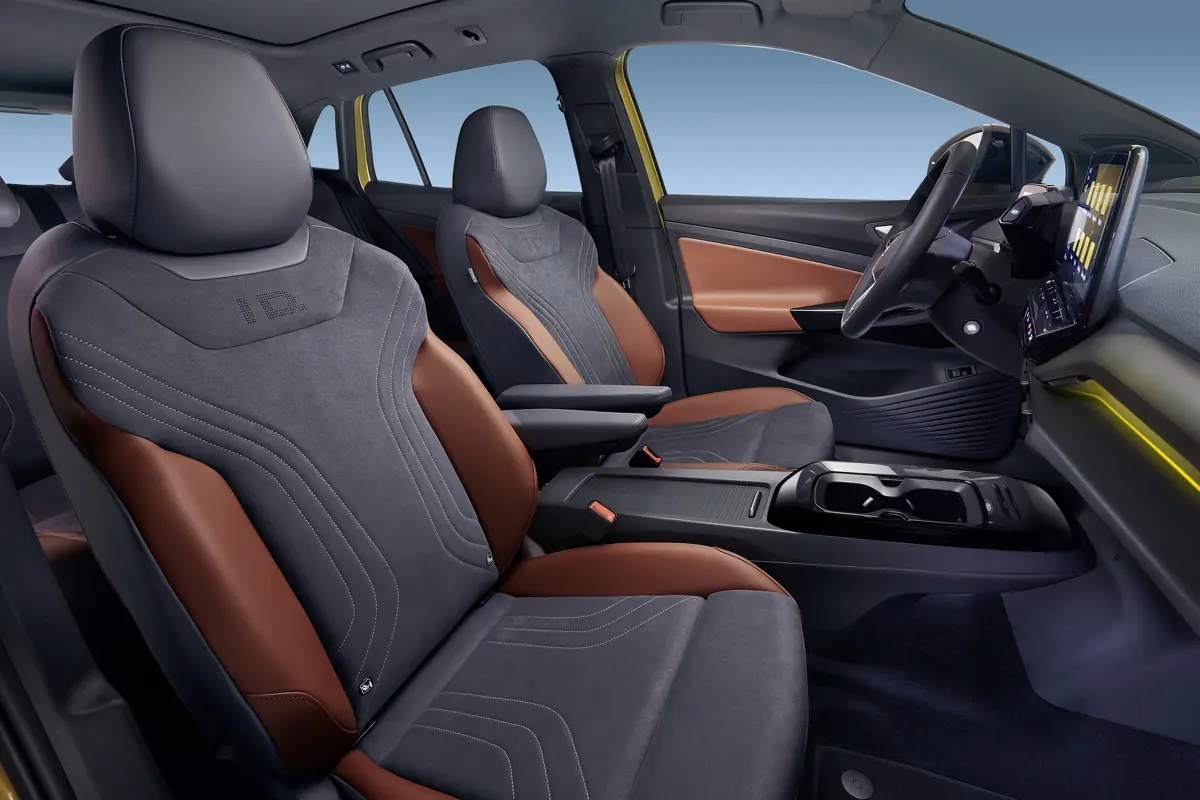
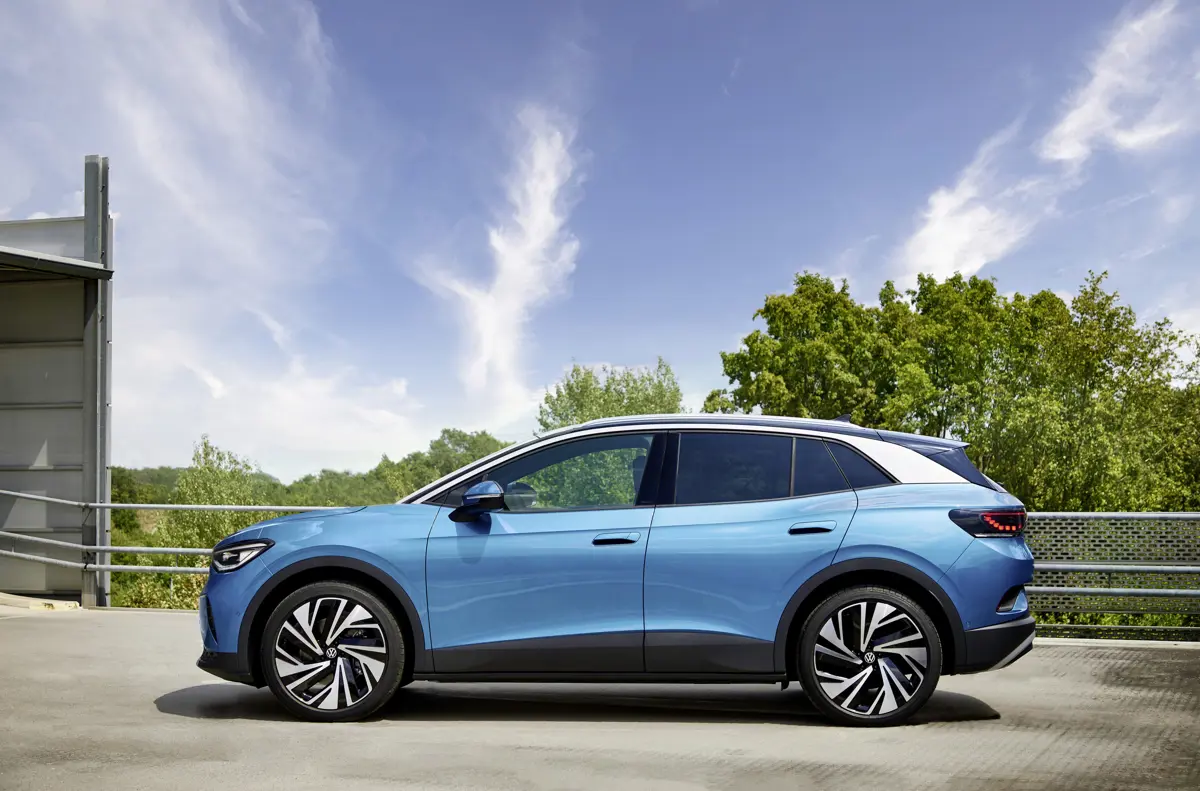
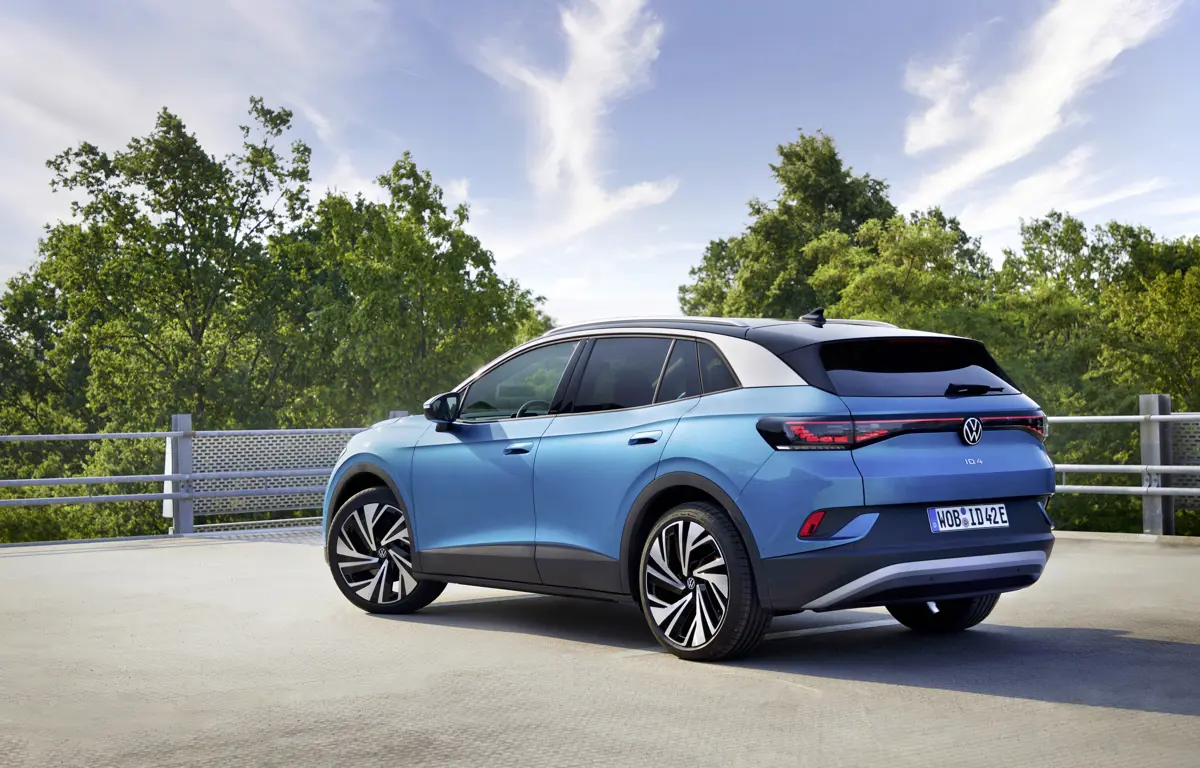
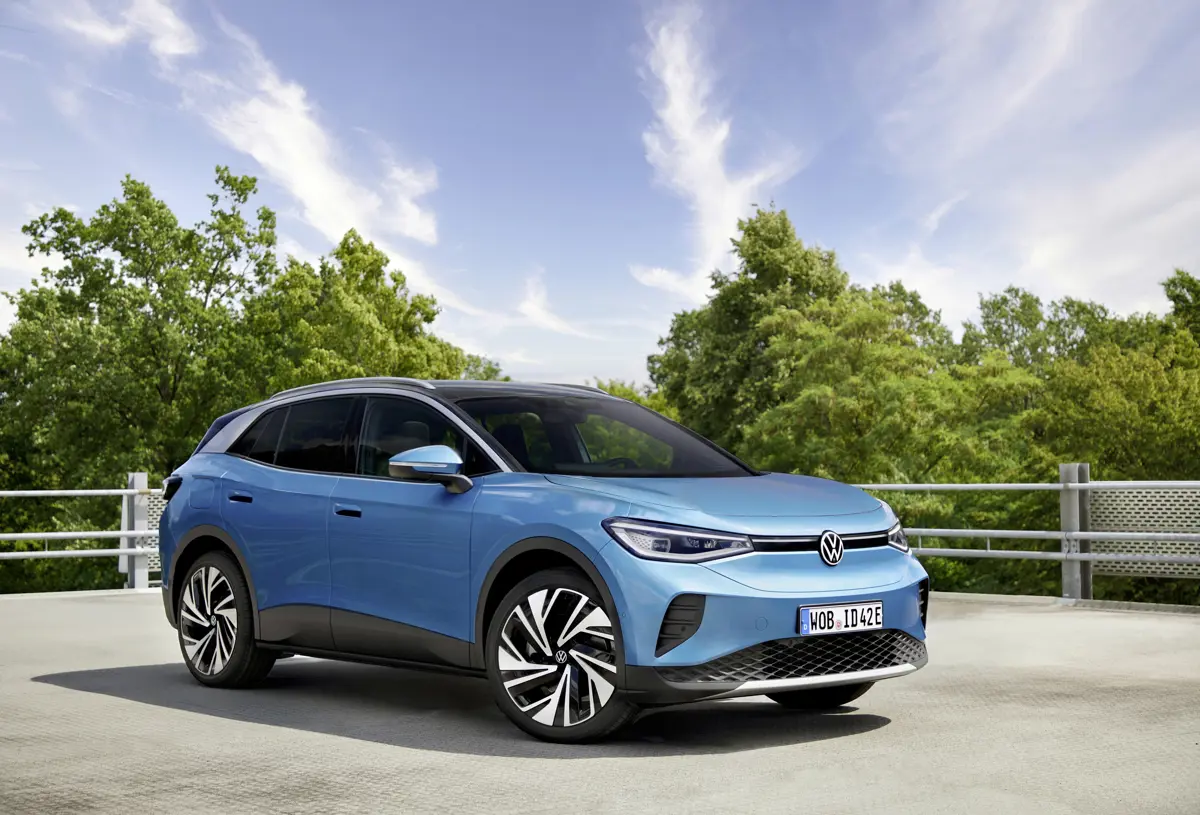
Volkswagen ID.4 2026 Photos