Xiaomi Auto is moving fast in the EV race. The brand wants a lineup that covers family needs, high-speed demand, and premium luxury.
Xiaomi Auto plans a family flagship
The YU9 sits at the top of the family segment. It measures more than 5.2 m in length, longer than the Mercedes EQS SUV. The cabin supports six or seven occupants. The extended range system supports long trips with stable energy use. The YU9 targets rivals such as the Li Auto L9 and the Aito M9. Lei Jun tested the SUV in cold and high-altitude regions in Xinjiang to validate its readiness for mass production.
Performance focus for the YU7 GT
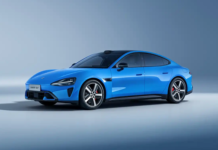
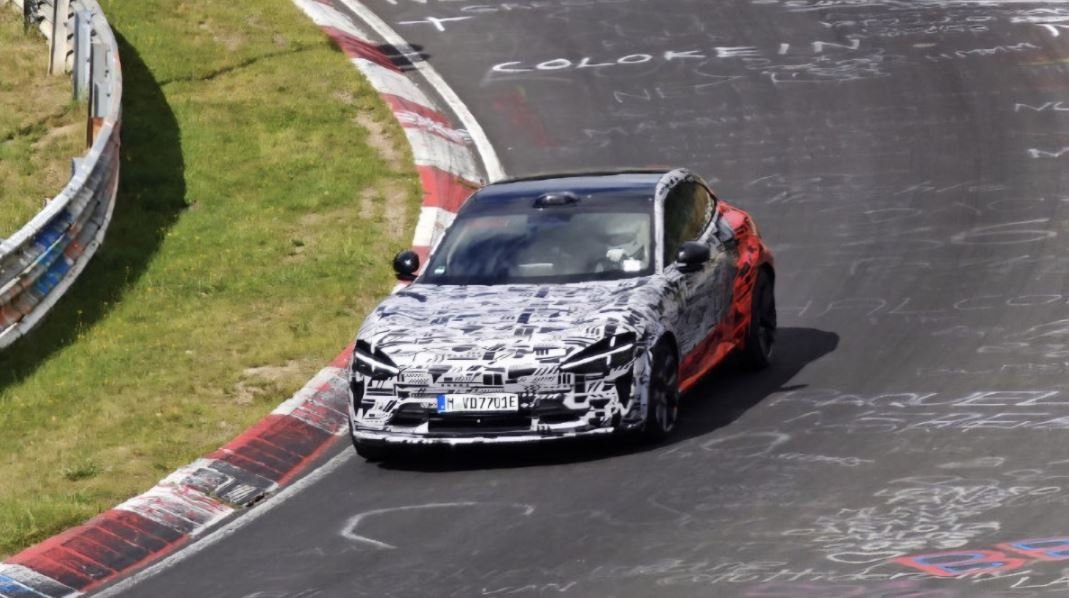
The YU7 GT pushes hard in the performance market. Engineers refined the chassis, suspension, and steering for sharp response. They tested the limits of the electric drive system and thermal control. Xiaomi Auto used the Nürburgring track in Germany as the main benchmark for high-load tuning. The YU7 GT is set to face strong rivals such as the Tesla Model Y Performance once it enters Europe.
Luxury gains new weight in the SU7 L
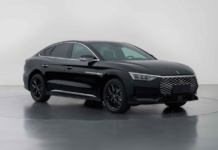
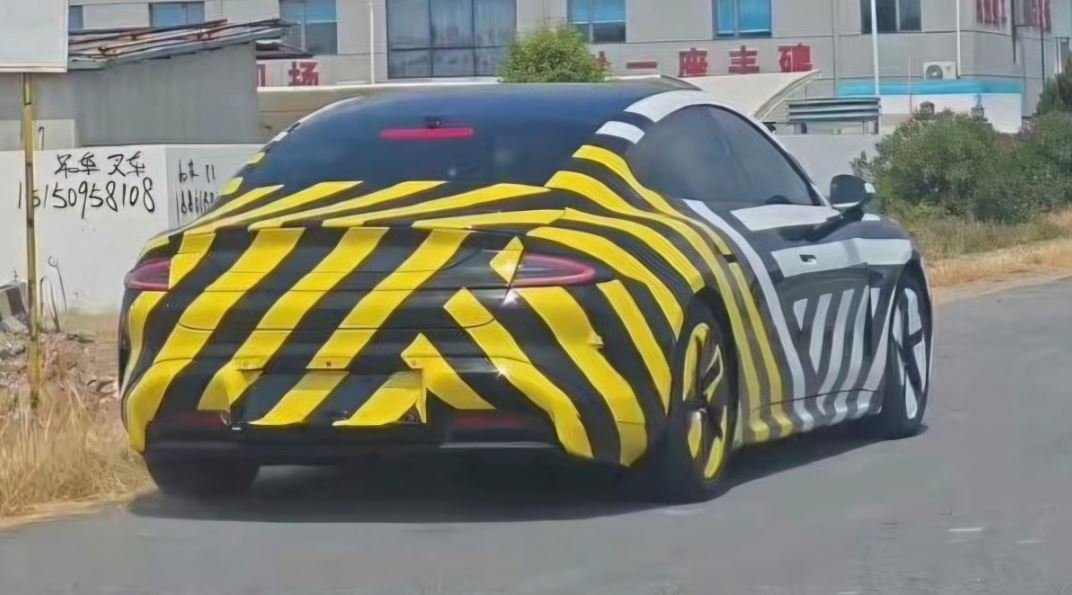
The SU7 L expands Xiaomi’s reach in the executive sedan class. It stretches past 5.2 m in length with a wheelbase that exceeds 3.1 m. The cabin offers more rear space due to extended bodywork behind the B pillar. The model sits between the Porsche Panamera and the long-wheelbase Panamera Executive. Xiaomi Auto built the SU7 L to serve buyers who want more space, comfort, and status.
Strategic coverage across core EV segments
The YU9 covers family needs. The YU7 GT covers buyers who want track-ready speed. The SU7 L covers high-end executive travel. This structure gives Xiaomi Auto broad reach across major EV categories.

A strong shift for the brand
These three models place Xiaomi Auto in front of buyers across family, performance, and luxury segments.